Will AI Take Our Jobs? Pune’s Youth Gather to Discuss the Future
Will AI Take Our Jobs? Pune’s Youth Gather to Discuss the Future
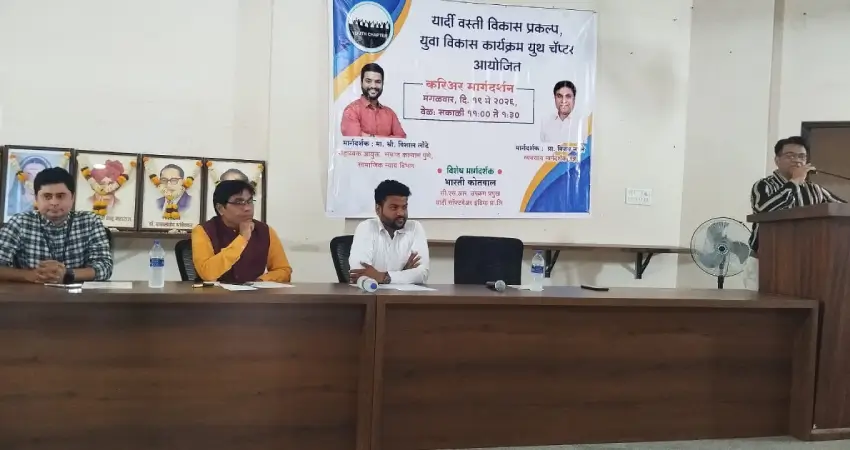
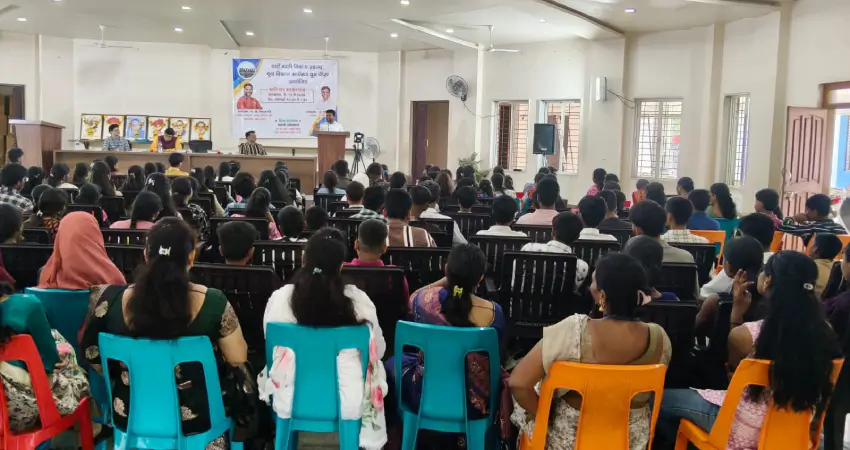
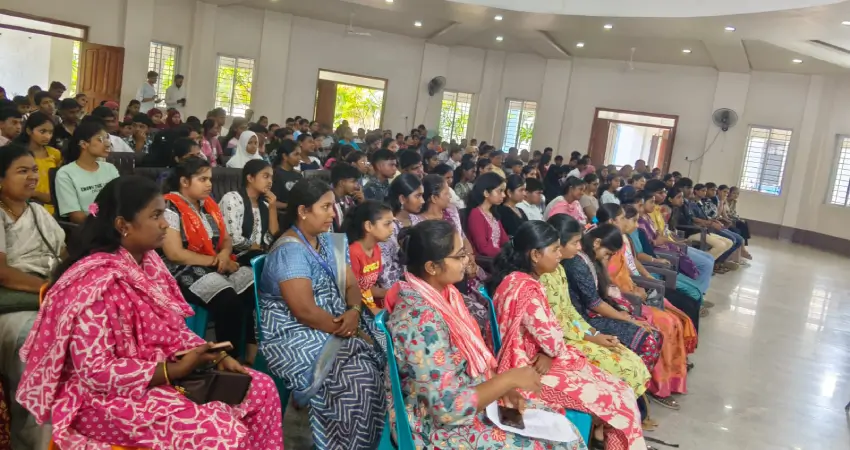
Artificial Intelligence (AI) is the buzzword everywhere — shaping conversations about careers, opportunities, and anxieties. The rapid pace at which AI models are being developed has opened doors to new possibilities, while also raising concerns about risks to employment. As the tech world debates sharply contrasting visions of how AI could reshape the future of work, this global conversation found a local stage in Pune. On 19th May 2026, more than 400 young people from vulnerable urban settlements gathered at the Samaj Kalyan Office, Visharantwadi, to explore what AI and changing job markets mean for their own futures.
A Community Initiative
The event was part of the Vasti Sahabhag Prakalp (VSP), a community-based initiative jointly implemented by YARDI and the Centre for Advocacy and Research. Through its Youth Development Program, VSP works with adolescents and youth from settlements in Yerwada, equipping them with career guidance, life skills, leadership development, and employability support. The program aims to help young people make informed decisions, build confidence, and pursue meaningful educational and livelihood pathways.
Dreams Amidst Challenges
Most participants came from families dependent on daily wage labor, informal work, domestic services, construction, or waste collection. Growing up amidst economic insecurity, overcrowded living conditions, and limited access to education, many face pressures to contribute to household income early. Field interactions often reveal that many adolescents and youth are exposed to high-risk behaviors, school discontinuation, substance use, early entry into low-paying jobs and an environment where aspirations are often constrained by circumstances.
Yet, this gathering symbolized resilience and hope — young people determined to break cycles of poverty and imagine futures beyond their circumstances. They came with a belief that education, skills, and informed decisions could help them change not only their own circumstances but also the future of their families. Many were first-generation learners navigating career choices without professional guidance at home, while some carried the expectations of entire families who saw in them the possibility of breaking cycles of poverty and insecurity.
Inspiring Journeys
Deputy Commissioner Vishal Londhe, Social Development Department, Pune, opened the conversation by sharing his own journey. Rather than speaking from the position of a senior government official, he spoke as someone who had once faced many of the same challenges the young participants are facing today. Recalling his early struggles of living in a small room with limited resources while pursuing his education, he reflected: “Success does not depend on where you come from, but on your determination to keep moving forward despite difficulties. I faced many struggles, but I never gave up on my dream of serving society.”
His story resonated deeply with the audience, mirroring their own realities of limited resources, financial pressures, and the challenge of pursuing education. The officer emphasized perseverance, discipline and consistent effort, urging young people to stay focused on their studies and goals. He further explained how smart work and determination enabled him to clear competitive examinations and eventually serve as the Deputy Commissioner.
AI and the Future of Careers
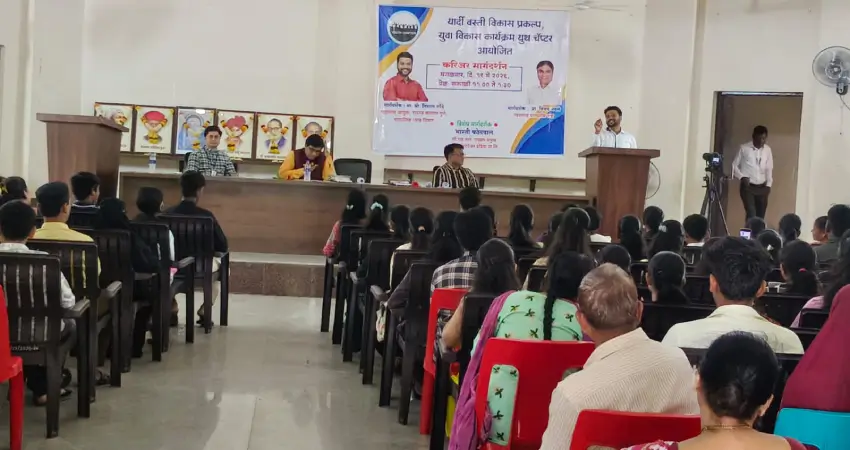
The discussion then shifted to the future of careers, led by renowned career counsellor Mr. Vijay Navlay. Encouraging an open exchange, he invited participants to share their ambitions and concerns. As young people spoke about their career interests, the session evolved into a vibrant conversation about opportunities, emerging job markets, and the skills needed to thrive in a changing world.
One of the most engaging moments came when participants raised questions about AI and its impact on employment. Reflecting a common concern whether technology would replace jobs and limit opportunities, Mr. Navlay offered a reassuring perspective. He said, “Artificial Intelligence will certainly change the nature of many jobs, but it will also create new opportunities. Instead of fearing technology, we must learn it, understand it, and use it effectively. Those who continuously upgrade their skills and become familiar with AI tools will remain relevant and competitive in the job market.”
From Apprehension to Optimism
His message transformed apprehension into optimism. By encouraging participants to embrace learning, adaptability, and innovation, he helped them see technological change not as a barrier, but as an opportunity to grow and succeed.
The event concluded with an interactive Q&A session, where participants sought guidance on higher education pathways, competitive examinations, career planning, and skill development. The enthusiasm and engagement throughout reflected the eagerness of young people to prepare themselves for the future.
Beyond Careers: A Conversation About Hope
For many, it was not merely about choosing a career. It was about imagining a future beyond the limitations they encounter daily. It offered reassurance that their aspirations are valid, that their circumstances do not define their potential, and that success remains possible despite the odds.
More than a career counselling session, the interaction became a conversation about possibilities, resilience, and hope. By addressing their concerns and equipping participants with practical insights, the session encouraged young people to face the future with confidence—reinforcing the belief that while the world of work may be changing, opportunities will continue to exist for those willing to learn, adapt, and persevere. It further reinforces that with the right guidance and openness to learning, youth from vulnerable communities can not only navigate but thrive in a world reshaped by AI.
Building Community–Local Bodies Synergy
The dialogue highlighted the synergy between community initiatives and local body leadership in shaping pathways for youth centric development. The presence of Deputy Commissioner Vishal Londhe sharing his perspective alongside the VSP team, illustrated how urban local bodies and grassroots organizations can jointly steward development in vulnerable urban settlements. What began as a discussion on careers and technology, evolved into a collective conversation about hope, resilience, and opportunity, reinforcing that the future of work in an AI-driven world must be guided by inclusive, youth-centered strategies and local governance frameworks that prioritize the empowerment of marginalized youth.