• Welcome to CFAR

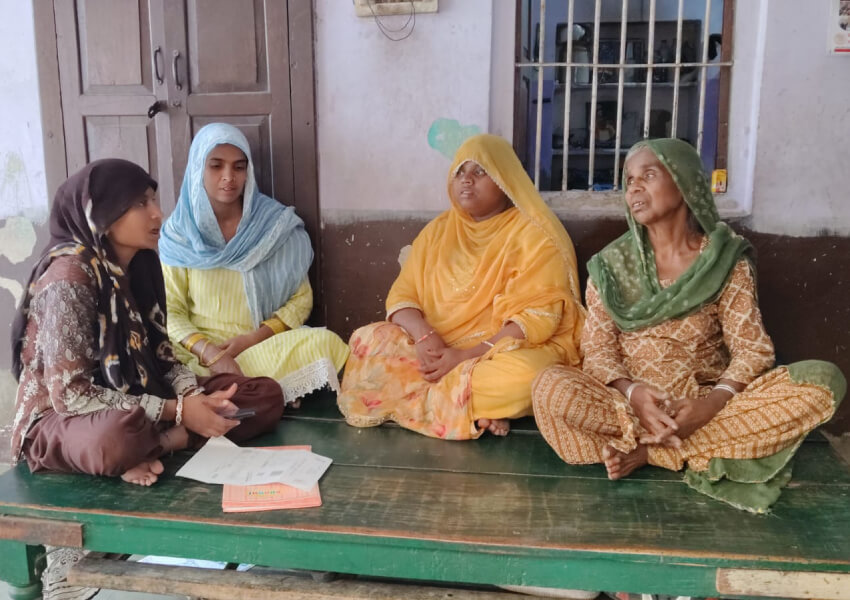
The District Magistrate (South, Delhi) felicitated CFAR for establishing six Self Help Groups for domestic workers and registering them under the National Urban Livelihood Mission. Proud moment as our Helpdesk & Single Window Forum members received certificate of appreciation from the Women and Child Development Department at the Khishori Mela. CFAR was recognized as the best NGO partner for empowering urban poor communities with health & nutrition services. On the occasion of the 14th National Voters' Day, the District Collector of Ajmer, in collaboration with the District Election Office Ajmer, felicitated CFAR. CFAR received recognition in the "Best NGO" category for its commendable efforts in motivating and facilitating diverse community groups to register themselves as voters of the nation.

VOICE FOR THE VOICELESS

Driving Towards Self-Reliance: Lakshmi’s Journey under the Pink E-Rickshaw Scheme

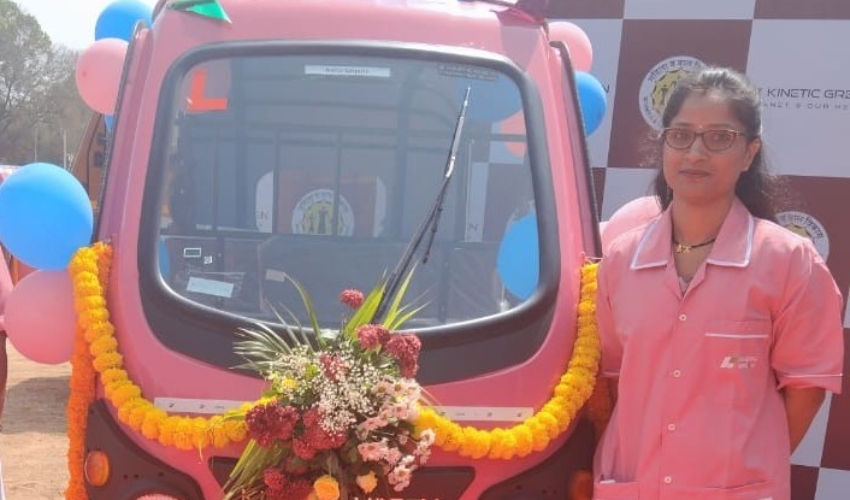
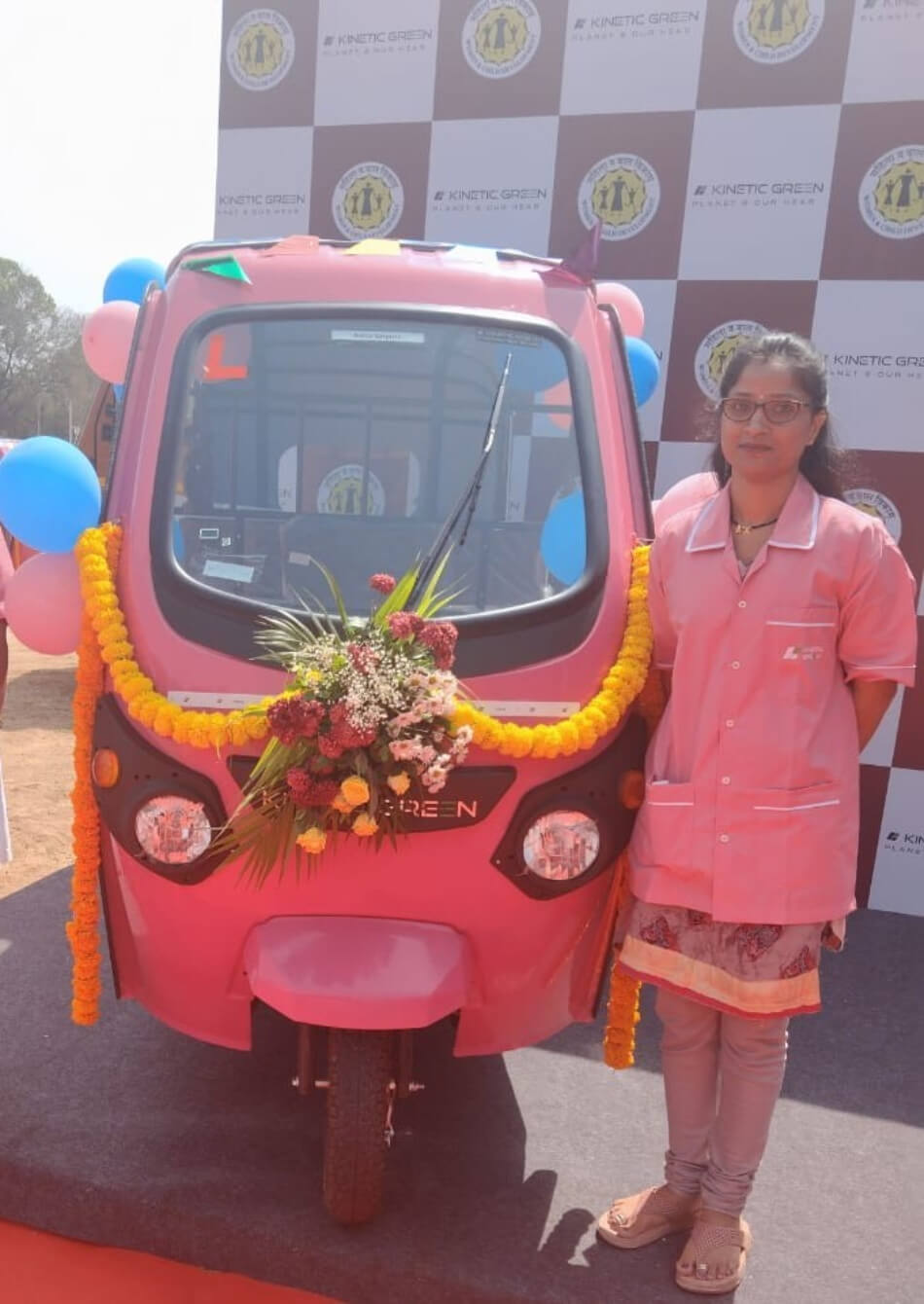
Every morning at 6 am, Lakshmi Digambar Tupdhar sets out in her bright pink e-rickshaw, navigating the bustling streets of Pune. For this 36-year-old mother from the Tadiwala Road slum, the daily drive is more than a routine—it symbolizes courage, independence, and transformation.

Breaking Barriers

Life in a marginalized community meant constant financial strain. Living with her husband and two daughters in one of Pune’s marginalized communities, she struggled to make ends meet. Their daily income barely covered basic needs, leaving little for education or healthcare. “I would lie awake at night, worried. My elder daughter needed tuition, and my younger one new shoes. But how could we afford that?,“ she recalls.

Turning Point

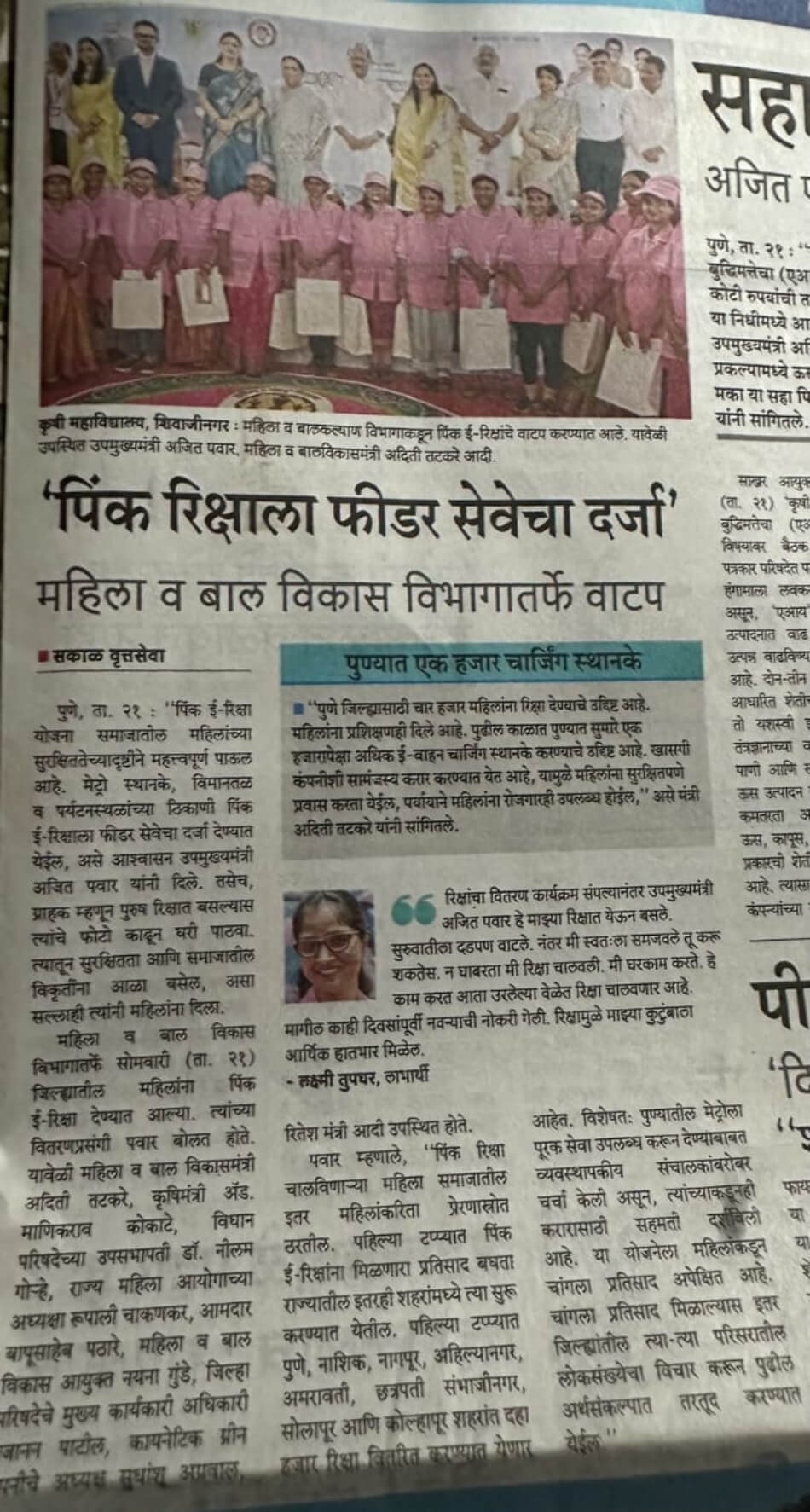
Her turning point came during a community meeting where officials from Maharashtra’s Women and Child Development Department introduced the Pink E-Rickshaw Scheme. The initiative offered women a pathway to ownership through a cost-sharing model: 10% personal contribution, 70% bank loan, and 20% government subsidy.

Initially hesitant due to social stigma, Lakshmi feared ridicule. But with consistent encouragement from Shilpa Kegale from the Pune Municipal Corporation and Vanita Gaikwad and Nisha Naidu of the Single Window Forum Members, set up by Centre for Advocacy and Research-to facilitate community to secure entitled schemes and services—she began to see the opportunity not just as a livelihood, but as a legacy for her daughters.  “They told me don’t think about what people will say, think about what you want for your daughters,” she said.

A New Beginning

On August 12, 2024, Lakshmi received her e-rickshaw from Deputy Chief Minister Ajit Pawar. Holding the keys, she felt the weight of possibility. “When I held those keys, I started crying. It wasn’t just a vehicle, it was my chance to change everything,” she recalls.

The early days were challenging. Pune’s chaotic traffic tested her nerves, but support from passengers—especially women—boosted her confidence. Over time, she became a familiar and trusted presence on the roads, with many commuters preferring her rickshaw for the safety and dignity it offered.

From Fear to Freedom

Lakshmi’s income has improved but the real transformation is within. She no longer sees herself solely as a wife or mother, but as a woman who stands on her own feet. Her story has inspired three other women from Tadiwala Road to apply for the scheme, proving that visibility spurs possibility, as seeing is believing.

Young girls in her neighbourhood now look up to her. “When I drive through my neighbourhood, young girls watch me.  I want them to know that women can also do anything if they have courage,” she said. Her elder daughter, dreaming of becoming an engineer, sees her mother’s journey as proof that ambition and resilience can rewrite destinies.

A Vehicle of Dignity

For Lakshmi, the Pink E-Rickshaw Scheme is more than a livelihood—it represents dignity, empowerment, and hope. Each ride she completes is a step toward a better future, not just for herself, but for the next generation. “I don’t want my daughters to live the kind of life I did. I dream of giving them a better future, and to fulfil that dream, I drive my rickshaw with pride every day,” says Lakshmi.

Worker Solidarity Enabling Service

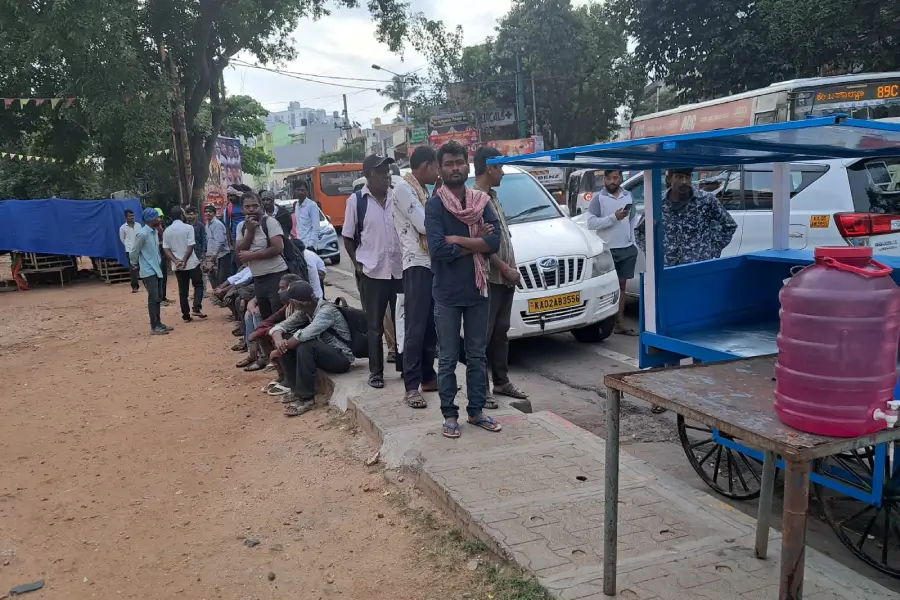
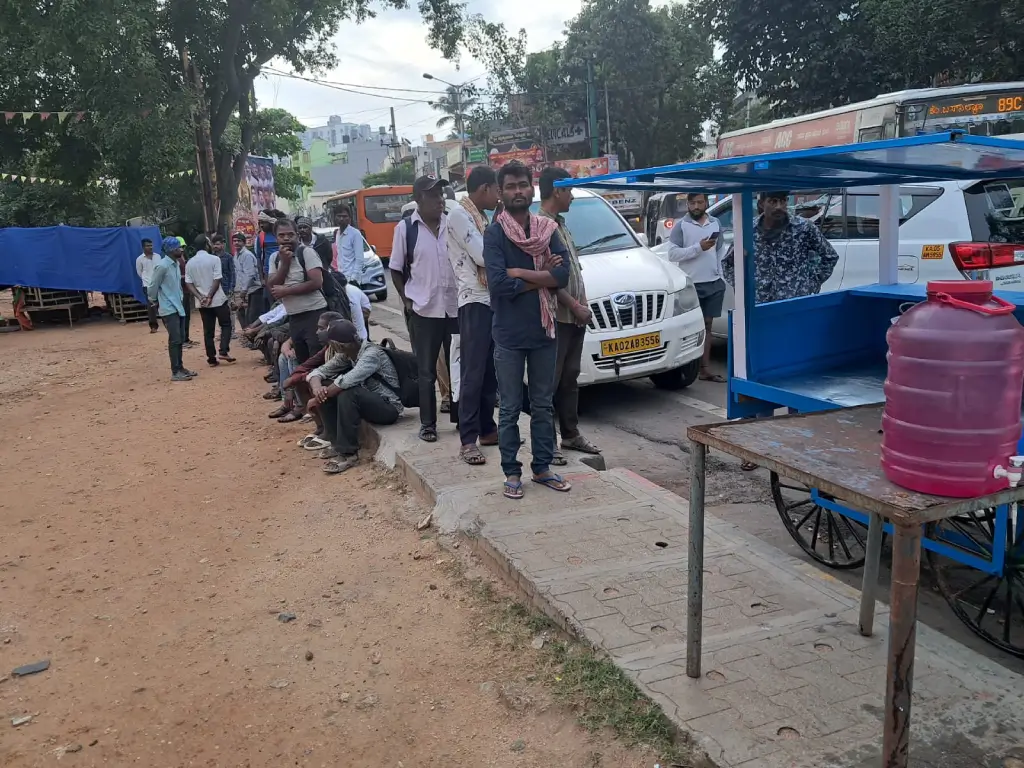
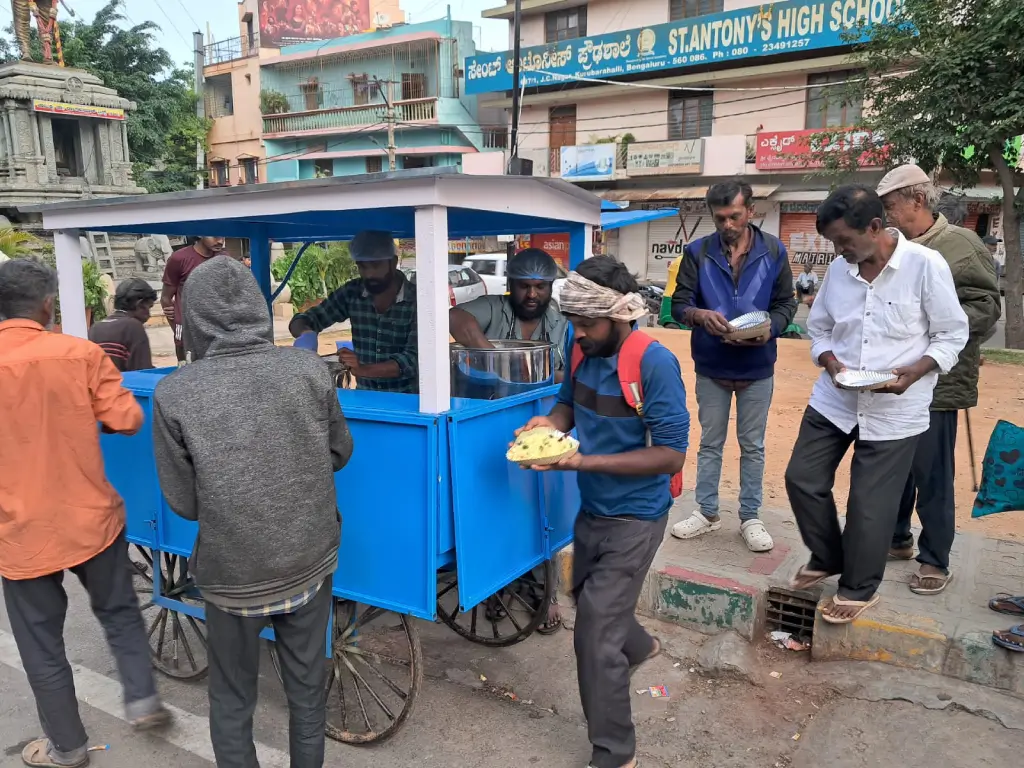
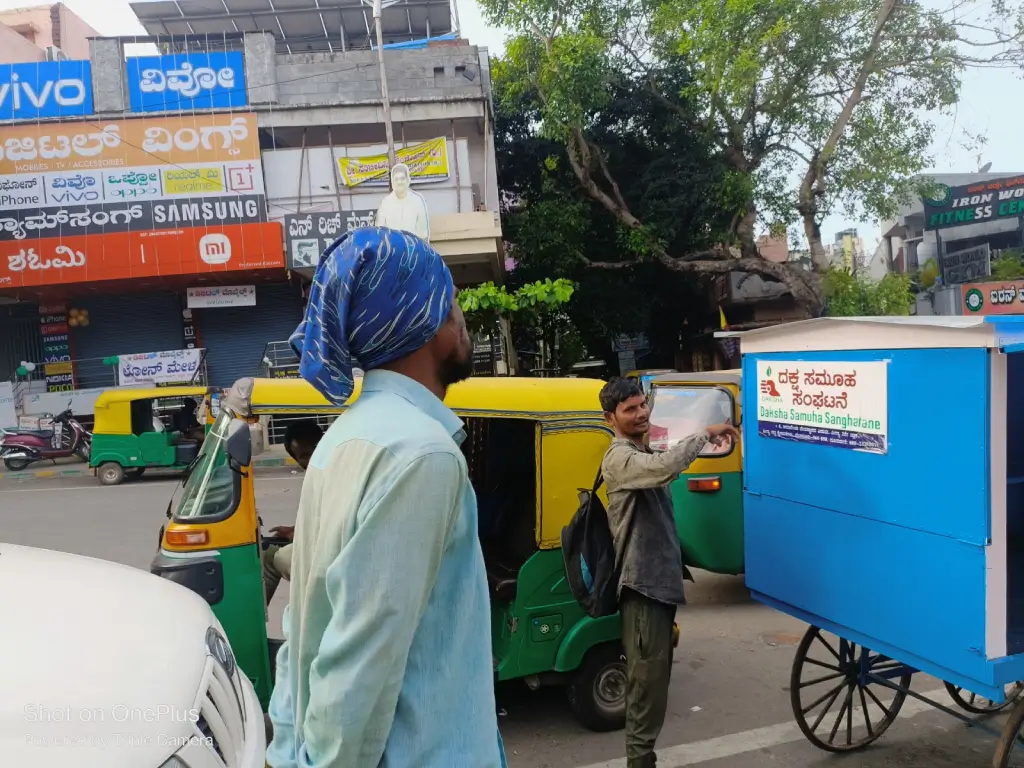
What began as a modest effort at the APMC Yard gate in Bengaluru has now grown into a city-wide movement. In August, Daksha Samuha Sanghatane, a community-based organization and Centre for Advocacy and Research (CFAR), launched a second breakfast cart at Kurubarahalli Circle, building on the success of its first cart introduced in July. The goal: to ensure no worker starts their day hungry.

A Morning Ritual Rooted in Care

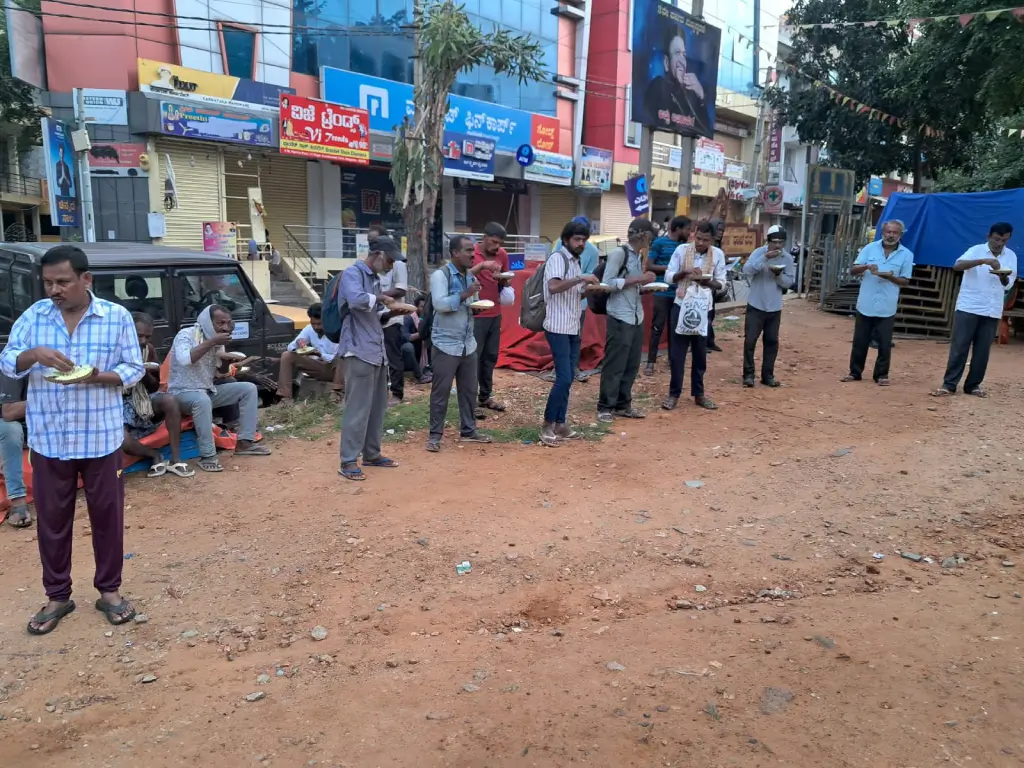
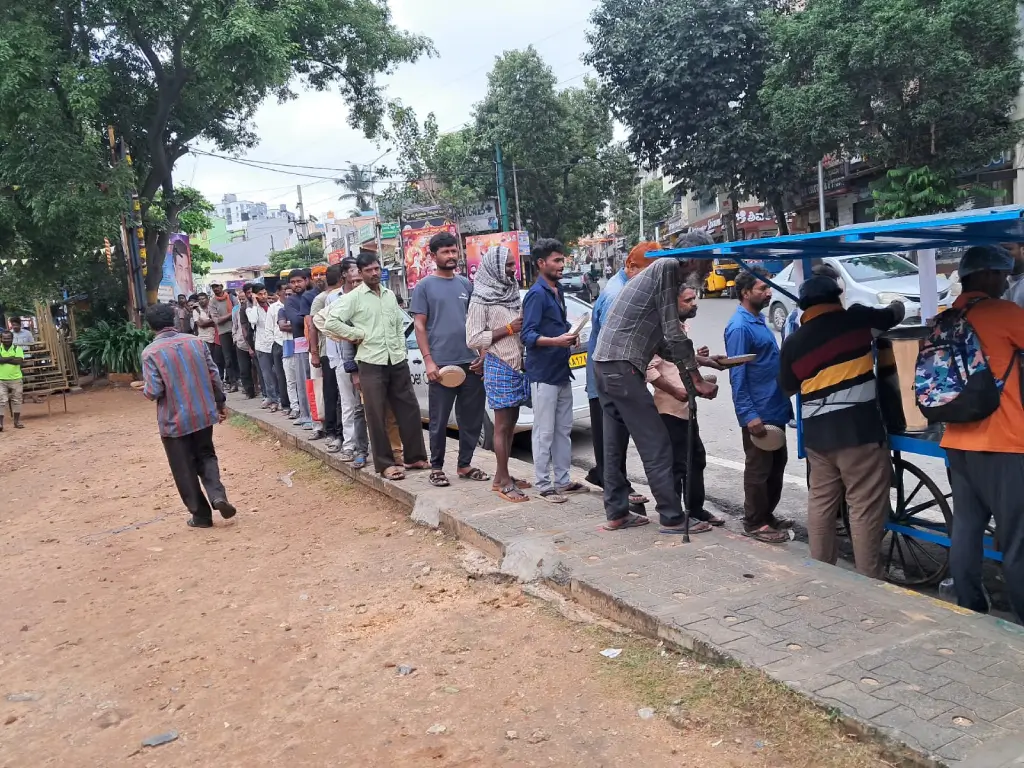
By 6:30 AM each day as the city begins to stir, Kurubarahalli Circle buzzes with activity. Construction workers, garment workers, pourakarmikas (PKs), and others gather in search of work. Their day begins with long hours of physical labour—lifting, carrying, sweeping, and stitching—yet most of them start on an empty stomach. Some leave home at dawn with no time to prepare food, while others cannot afford to eat until much later. Without food, they face hours of intense physical labor, often resorting to spending ₹40–₹50 at roadside eateries later in the day.

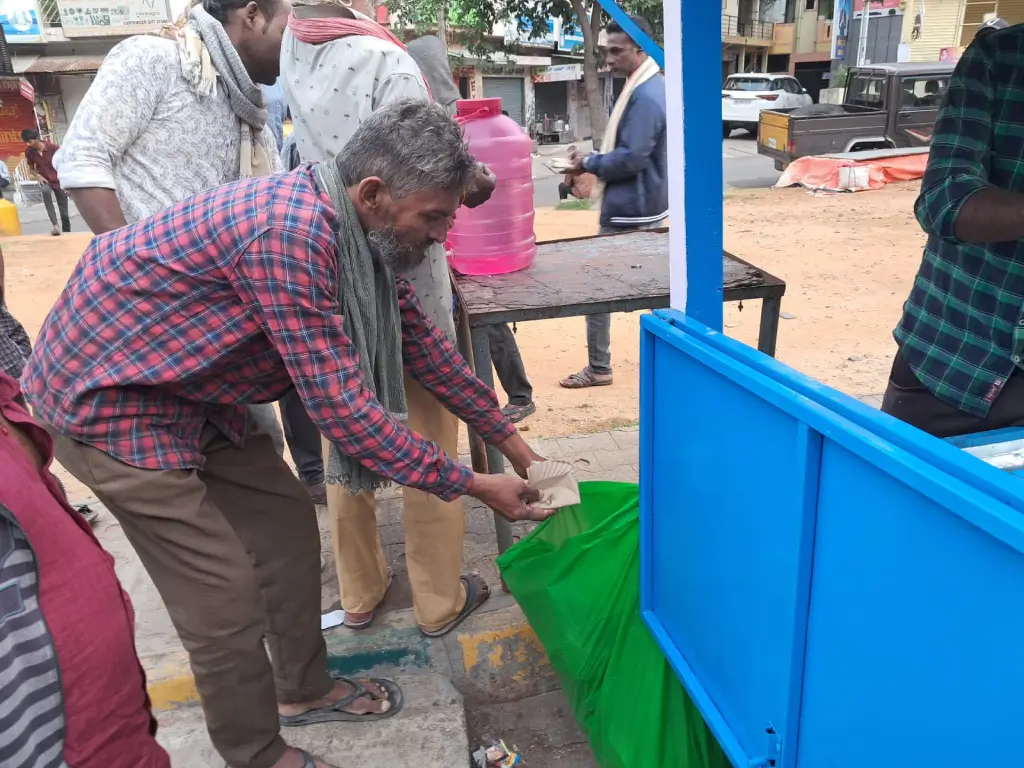
The breakfast cart changes that. Serving over 150 workers each morning, it offers fresh, hot, hygienically prepared meals. More than just food, it affirms dignity—workers receive nourishment as a rightful start to their day.

Overwhelming Response from Workers

The first cart at APMC Yard proved the power of community-led action, serving hundreds daily and inspiring expansion to Kurubarahalli Circle—home to some of Bengaluru’s most marginalized communities. The response has been overwhelming, with growing support from workers and local residents.

“Earlier, I would come here at 6:30 AM and work till 9 without food. By then, I was already tired because none of the hotels would be open at that time. Spending Rs. 50 on breakfast every day was a burden,” says Kavitha, 34, a garments worker. “Now, I can eat properly in the morning and also save money. At the end of the month, it makes a big difference.” For workers like her, saving Rs. 1,200 a month means paying school fees, buying household groceries, or managing medical expenses.

For Narasimha, a construction worker who has spent over a decade at this junction, the initiative is not just about saving money—it’s about empowerment being able to priortize the essential needs.  “This food helps me save at least Rs. 40 a day. That money goes towards my children’s school books. For us, even a small saving matters,” he says with quiet pride.

The rotating weekly menu includes vegetable palav, chitranna, rava idli, bisi bele bath, dosa, and on Saturdays, 300 idlis with 150 vadas. Every item is cooked fresh, served hot, and completely free.

Driven by Volunteerism

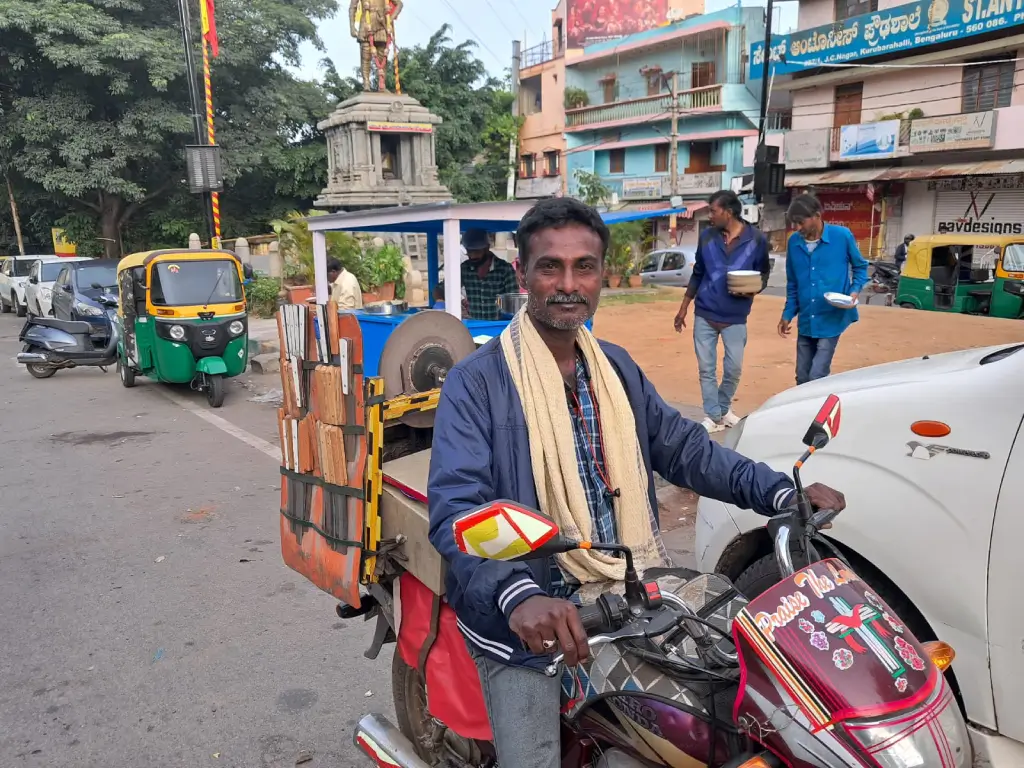
Anand Raj, who manages the breakfast cart, arrives by 6:15 AM every day to get things ready. “By the time I open the vessels, there is already a crowd waiting,” he says. “Most of them come regularly now. They know we will not miss a single day.” Supporting him is Babu Rao, a long-time volunteer who helps maintain order and ensures everyone is served. Rao eats only after all others have been fed, a quiet reminder that this initiative belongs to the community.

Cleanliness and hygiene are strictly maintained. “We clean the cart and vessels thoroughly before serving. We also request workers to keep the space clean,” says Anand Raj. “Over time, they’ve started taking care of it themselves. This is their space too.” This shared responsibility shows that when people take ownership, dignity and discipline naturally follow.

A Model Solidarity

What makes this effort unique is its community-driven model. It is founded on solidarity. Community members participate in running the cart, helping workers save ₹40–₹50 daily while building a culture of collectivization. It is about ownership, not dependence; claiming rights, not receiving favors.

The Kurubarahalli cart is part of CFAR’s broader mission to strengthen Bengaluru’s urban poor settlements—from healthcare access to social security—through community-created solutions grounded in dignity and rights.

For the workers, this cart is the long overdue relief from hunger, strength to work without exhaustion, and the comfort of knowing that someone has seen their struggle and acted upon it. Lakshmamma, 52, a pourakarmika who sweeps nearby roads, puts it simply: “We feel respected.”

Since its launch, the cart has served thousands of meals. Demand is growing, and plans are underway to expand capacity and variety. The vision remains clear: no worker at Kurubarahalli Circle should begin their day hungry.

Each plate served is more than a meal—it’s a quiet act of justice. It reminds us that meaningful change doesn’t always require grand gestures; it simply needs to listen, respond, and endure. At Kurubarahalli Circle, the breakfast cart stands as a powerful symbol of community-led care, proving that when people come together, no one has to be left behind.

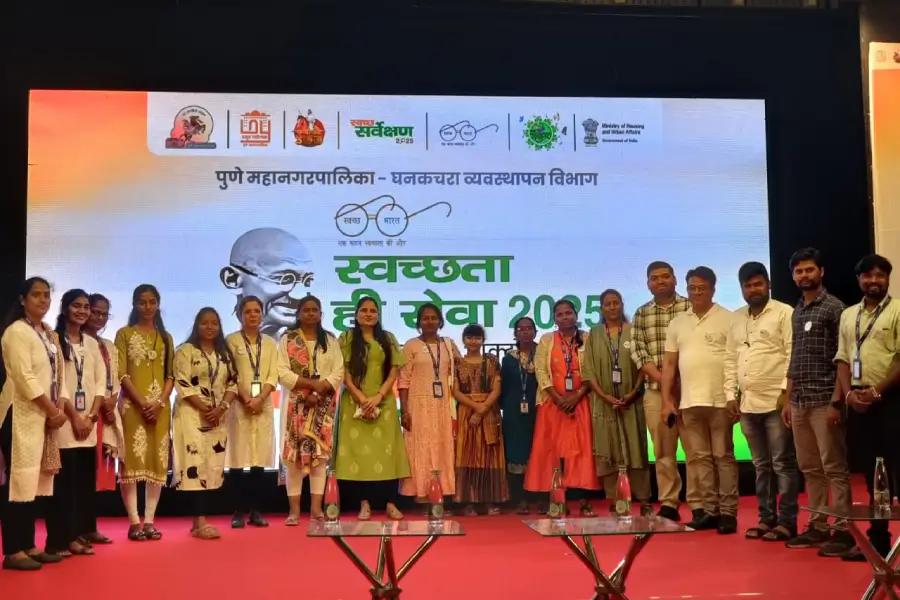
Swachhata Hi Seva 2025: Pune’s Campaign for a Cleaner, Sustainable Future

From September 17 to October 2, 2025, Pune came alive with Swachhotsav, a vibrant celebration of Swachhata Hi Seva 2025 under the Swachh Bharat Mission (SBM) 2.0. More than a symbolic campaign, this initiative marked a strategic leap toward building a robust, multi-layered cleanliness ecosystem—anchored in governance, regulation, service delivery, and citizen participation.

Targeted interventions

Between September 25 and October 1, the Center for Advocacy & Research (CFAR), in collaboration with the Solid Waste Management (SWM) Department and the District Legal Services Authority (DLSA), spearheaded a series of targeted interventions to reinforce Pune’s sanitation framework. These efforts were designed to strengthen the city’s multi-layered sanitation ecosystem, addressing gaps in governance and citizen engagement that have historically limited Pune’s potential, despite its reputation for an effective waste management system.

A key highlight of the campaign was a capacity-building workshop for 104 officials, including Deputy Sanitary Inspectors (DSIs) and Sanitary Inspectors (SIs) from Zones 2, 3, and 5. The session focused on operational excellence, covering critical aspects such as strengthening citizen accountability in waste management, enforcing regulations and penalties for non-compliance, and leveraging digital tools like PMC Care for streamlined service delivery.

Legal experts from DLSA provided insights into the regulatory landscape, emphasizing enforcement mechanisms and offered practical guidance on record-keeping and operational efficiency. These efforts aimed to empower frontline officials with the tools and knowledge to drive systemic change.

Community Engagement

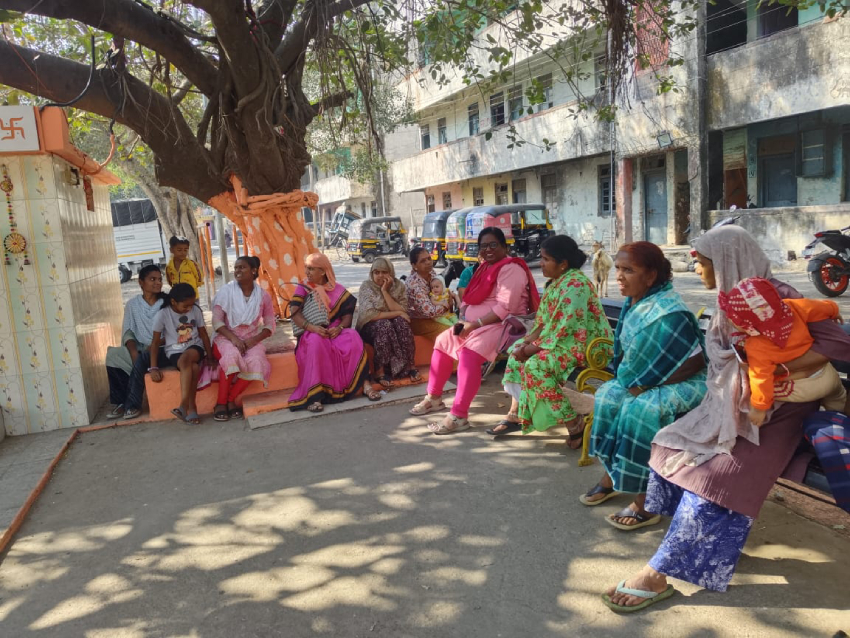
Parallel to institutional efforts, CFAR led a community awareness drive at Kashewadi settlement in Bhavani Peth Ward. Through a compelling street play, residents were educated on the importance of segregating dry and wet waste. This initiative reinforced the idea that community ownership is not just complementary but essential to the success of any sanitation strategy.

Celebrating Achievements

On October 2, 2025, during Gandhi Jayanti celebrations, the Pune Municipal Corporation honored the collective achievements of Swachhata Hi Seva 2025. The felicitation ceremony, attended by Minister of State for Civil Aviation, Government of India, Mr. Murlidhar Mohol, spotlighted the synergy between civic bodies, legal authorities, service teams, and citizens. Mr. Mohol commended civil society organizations for their unwavering support and active participation in SBM 2.0.

Swachhata Hi Seva 2025 transformed Pune’s cleanliness drive into a movement of change. By addressing the governance gaps, strengthening laws, improving services, and uniting communities, Pune has not just cleaned its streets but laid the groundwork to emerge as a model city for cleanliness and sustainability. As the city moves forward, these integrated efforts promise not only a cleaner Pune but a more resilient and participatory urban future.

Optimizing enrollment of out-of-school children became a mission for the community in Pune

This year’s school admission drive in Pune’s DP Road, Nagar Road, and Yerwada wards became a powerful initiative focused on enrolling out-of-school children. From April to June, Community Mobilisers (CMs), supported by the community conducted door-to-door outreach to identify and enroll vulnerable children, spurred by the shared conviction that education is a pathway to dignity and opportunity.

Unlike previous years, the campaign prioritized group meetings in community halls to engage parents, fostering wider participation and peer exchanges, which enhanced awareness of enrollment and the documentation required for it. The team also committed to strengthening school retention through consistent family and school follow-ups. These efforts targeted areas populated by daily wage earners and migrant families facing limited access to resources and faced huge challenges in furnishing all the documents required for enrolment.

CMs identified 333 children across the three wards who were dropouts, had never attended school, or were left behind due to migration or poverty (87 in DP Road, 37 in Nagar Road, and 209 in Yerwada). These children were primarily served by Pune Municipal Corporation (PMC) schools offering free or subsidized education in Marathi, English, and Urdu.

A major obstacle was the stringent documentation requirements (birth certificate and Aadhaar card) for PMC school enrollment, which many families, particularly migrants, lacked. Consequently, 240 children could not be immediately enrolled. CMs provided guidance on obtaining these documents and educated families on it and provided personalized support throughout the process.

For the parents of 93 children who got enrolled, they found the CMs’ assistance invaluable. One parent recounted how CMs helped correct discrepancies between their daughter’s birth certificate and Aadhaar card, enabling her admission to Genaba Moje School. Another shared how CMs facilitated their child’s admission to Balance Urdu School.

Parents found the experience deeply rewarding. With CMs guiding them through government procedures, referring them to local PMC schools, and providing clear, step-by-step advice, parents secured necessary documents and gained confidence in navigating the system.

Another parent recounted being guided to Vandana Madam at a nearby school, resulting in Amina’s successful admission to Senior KG.

Family counseling proved critical. CMs addressed the common misconception among daily wage laborers that early childhood education was not a priority. Through one-on-one sessions, they emphasized the developmental, cognitive, and social benefits of schooling, reinforcing education as a necessity.

One community mobilizer shared an experience about successfully enrolling a young girl, who was six years old and had never been enrolled in any pre-school or even in the anganwadi program, into Dhole Patil English Medium School. The primary document used for her enrollment was her birth certificate. However, just having the birth certificate did not make matters easy as the details mentioned on her birth certificate did not match those on her Aadhaar card. Furthermore, the child’s family did not possess a bank passbook, which is required for certain formalities. Undeterred, the community mobilizer extended assistance to resolve these issues.


Eggs are enhancing school attendance at Sanjay Gandhi Nagar Govt. School

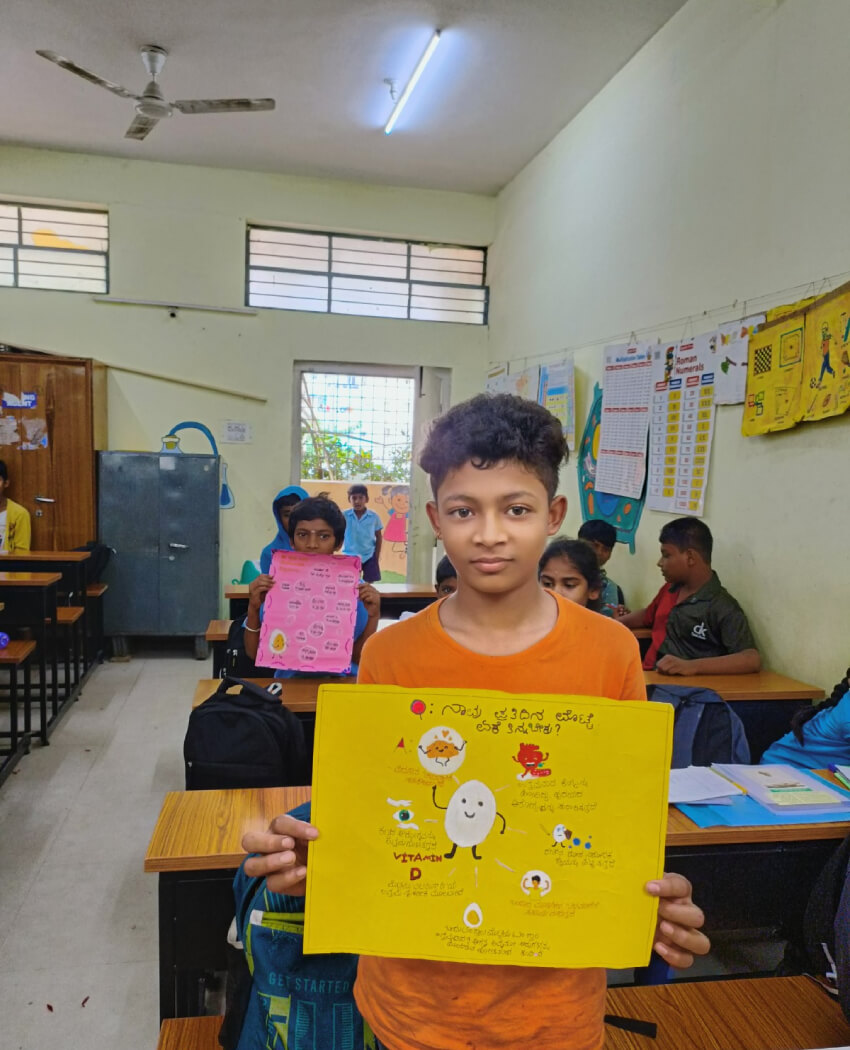
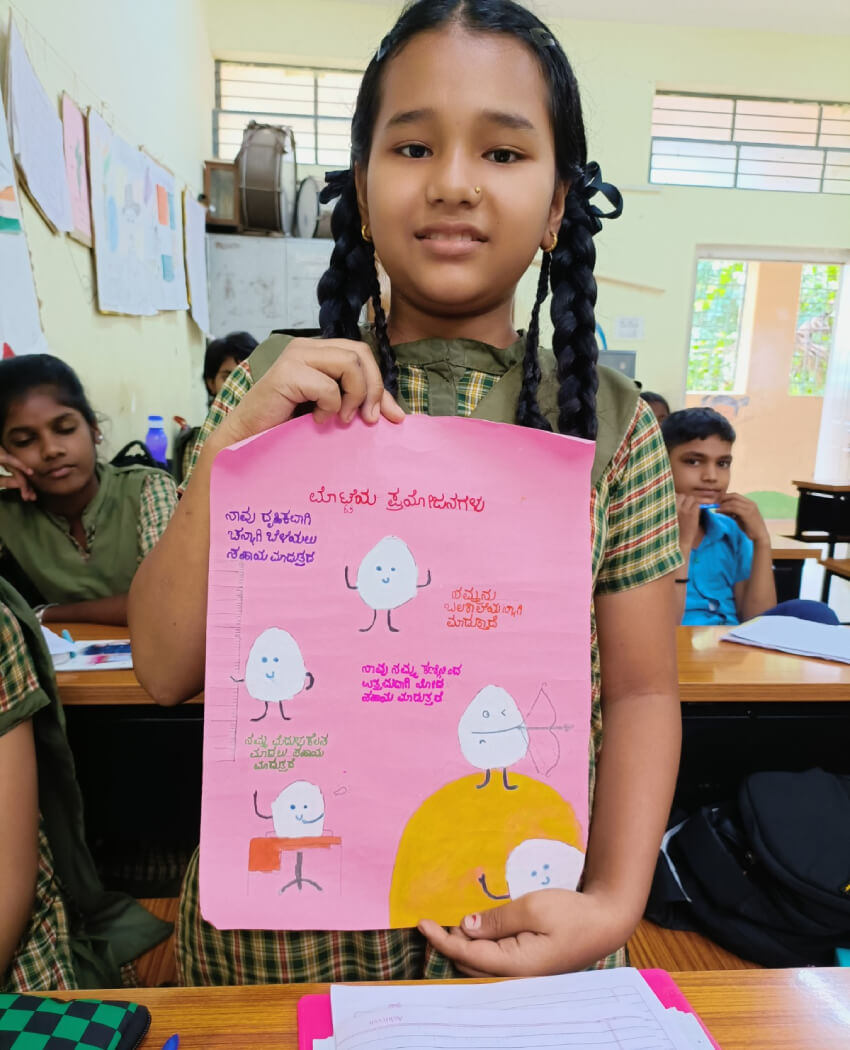
Sharanamma, a thirty-four-year-old resident of the Sanjay Gandhi Nagar settlement in northern Bengaluru, Karnataka, is overjoyed that her seven-year-old daughter, Sneha, who is studying in the first standard at the Government Higher Primary School, no longer misses school. Reason! Sneha receives nutritious meals regularly at the school, something Sharanamma has found difficult to provide at home. Eggs are now being served at the school as part of the mid-day meal programme.

Providing a nutrient-rich meal is not always possible for parents like Sharanamma from the marginalized communities living in the settlements of the city.  “We try our best with the money we have. Sometimes, when we can afford it, we buy fruits, but daily eggs are expensive. One meal with an egg for each family member would cost us around Rs 100, which we cannot afford regularly. It’s good that children can get eggs at school,” she says.

“While I want my child to study a lot and grow up, a nutritious meal is important for a child to be able to study better,” she added.

There are other families too who are experiencing this change. Nagarathna, another parent, said her daughter Shilpa, studying in 6th standard, along with her brother’s children, now attend school regularly. Earlier, she often had to skip work to look after sick children. Now, with improved health due to better nutrition, she can continue her job without worry.

Serving eggs at school to transform lives of children

At a time when malnutrition continues to be a serious national concern and rising costs, and stagnant wages are making it difficult for parents like Sharanamma and Nagarathna to consistently provide a healthy diet to their children, the government decision to serve eggs is helping these families to combat malnutrition while simultaneously encouraging school attendance. This small but powerful change has begun to transform the lives of children at the Government Higher Primary School and their families living in Sanjay Gandhi Nagar.

Situated in a community where most families depend on daily wage labour and struggle to afford basic nutrition, the school had long faced high dropout rates and poor student health. Children from settlements like Sanjay Gandhi Nagar and Ashraya Nagar often missed school, sometimes accompanying their parents to construction sites because there was no one to care for them at home. Even though the school was included in the mid-day meal programme, the absence of a regular protein source like eggs meant that children were not motivated to attend daily, and malnutrition was widespread. This changed when eggs were introduced 6 days a week as part of the mid-day meal.

Improved school attendance

Children are not only attending school regularly now but are also more alert, active, and eager to participate in learning. The improvement is not just felt at home but officially recorded too. Today, the school is witnessing a daily attendance of 80 to 95 percent, and parents are noticing a real difference in their children’s health and enthusiasm for school. Families that once struggled with the constant burden of sickness and school absenteeism now have hope.

CFAR intervention

CFAR has been working in the Sanjay Gandhi Nagar settlement for the past three years under its social inclusion initiatives, with also a strong focus on improving education access and outcomes. Our Community Associates, in close collaboration with School Development and Monitoring Committee (SDMC) members and the school headmaster, have been identifying school dropouts, linking children to educational entitlements, and supporting families to prioritize education. Despite these efforts, challenges remained, especially related to children’s nutrition and regular school attendance. But the recent intervention of the Karnataka Government introducing a regular protein source like eggs under its mid-day meal program has added a crucial advantage, leading to this remarkable transformation.

Drop in anemia cases

Shoba, an SDMC member and parent of three children studying at the same school, observed the fall in anemia cases among children after the intervention. “Earlier there were many cases of severe anemia, with children having hemoglobin levels as low as 7 to 8. “We used to organize pediatric check-ups and saw that children were coming in very weak. Now, after six months of receiving eggs daily, cases like Vaishali, who is 12 years old, have shown remarkable improvement, with hemoglobin levels rising to 10. Earlier, many children were falling severely sick, but now we see healthier, more active students,” says Shoba. “Eggs are an important source of protein and contain almost all essential vitamins, making them a crucial weapon in tackling children’s high levels of malnutrition,” Shoba further added.

Fostering social inclusion

This transformation is not only enhancing school attendance and child nutrition but also helps children to eat together and thus break some of the social norms around gender, caste and religion. According to Shoba the most significant aspect of the mid-day meal scheme is that children from different backgrounds are interacting, sharing meals, and sitting together, reducing class barriers and fostering social inclusion.

This remarkable story of the Government Higher Primary School in Sanjay Gandhi Nagar shows how a simple, thoughtful intervention providing an egg a day can change lives, boost education, and build healthier futures for children from the most marginalized communities.


Empowering Children in Peenya through Education

Peenya is one of Bengaluru’s oldest industrial hubs, attracting construction workers from different parts of the country. In recent years, the city has been expanding with rapid industrial development and growth. However, behind this growth lies a story of resilience and hardship of these workers, who migrated to the Peenya with dreams of a better future for their families.

Living under temporary tents and sheet houses, the lives of these workers are marked by economic struggle and social exclusion with limited access to basic rights and dignity. Their children are deprived of quality education as they struggle with lack of resources and facilities.  With little privacy or quiet space in their 10/10 small living huts makes concentration in studies difficult. As a result, many children face the risk of school dropout as they struggle to complete their homework, leading to a fear of facing their teachers and falling behind in the classroom. This fear and lack of support at home often result in children abandoning their education altogether.

CFAR initiative

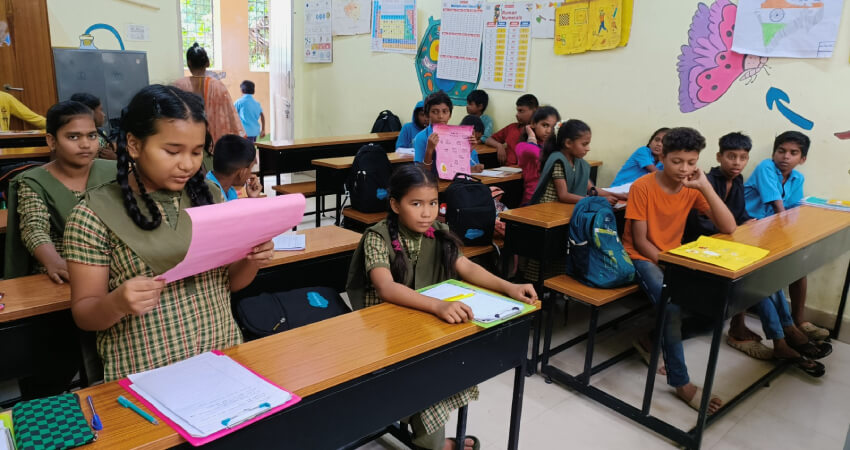
Recognizing these challenges, CFAR (Centre for Advocacy and Research) has established a Community Resource Centre (CRC) in the Peenya cluster, providing the necessary support to children for their study and personal improvement. The centre not only facilitates community engagement and development but also acts as a learning hub for children eager to learn and grow. Operating from 4:30 to 7:00 PM daily, the centre welcomes 60 school students from classes 2 to 9, and provides a quiet place to study and engage in various activities. By identifying and addressing the needs of children and providing them access to resources, CRC fosters a supportive environment for the children from the marginalized community.

CRC: Building creativity and confidence

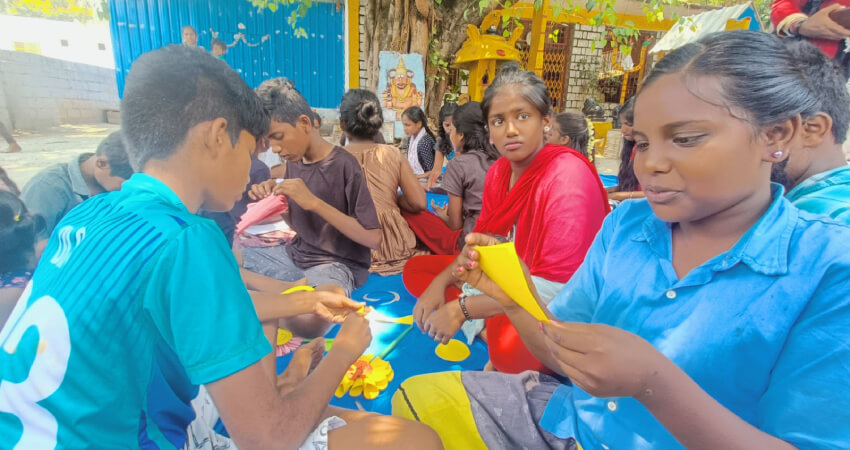
For children like Kiran, what CRC offers is more than just educational support. While homework and project work are prioritised, the centre also encourages children to explore their interests in singing, dancing, and painting. This holistic approach to education builds their creativity and helps them build confidence in their abilities.

“We observed during our area visits that children were not doing their homework and were going to work in factories in the evenings. Their families were not prioritizing their education, so we decided to provide them with a place that fosters a suitable learning environment. Initially, parents were unwilling to send their children, but after several meetings, we were able to convince them. We believe the number of children attending will continue to grow,” says Basamma, a community volunteer from CFAR, who is in charge of the children’s activities at the CRC.

As a result of this initiative, school attendance has increased, and continuous monitoring is taking place, involving children, parents, and teachers. Moreover, CFAR has also started a crèche for the children of construction workers, which helps school-going children by taking care of their younger siblings until the evening.

Meeting aspirations of children

Through CRC, CFAR aims to bridge the gap between the children’s aspirations and. their living conditions. By providing access to essential educational tools like a kid’s library and resources, the centre empowers these young minds to dream big and work towards a brighter future. The positive impact of the centre extends beyond academics, fostering a sense of community and belonging among the children.

The centre’s success lies in its ability to create an environment where children feel valued and supported. This healthy atmosphere enables them to overcome the challenges posed by their living conditions and empowers them to pursue their educational goals with determination and enthusiasm.

Shiv Nagar Colony: Daksha Samuha’s Dedication to Renovation

In Shiv Nagar Colony, Kengeri, the 64 Pourakarmikas houses built in 2013 under the Karnataka Slum Development Scheme have faced serious structural issues over the years. Water leaks from overhead tanks, moss-covered floors, and crumbling infrastructure have created urgent repair needs, particularly affecting children and the elderly, raising safety and health concerns.

In response, Daksha Samuha, a Community-Based Organization supported by the Centre for Advocacy and Research (CFAR), took swift action. A team of eight Daksha Samuha members, including local youth, gathered photographic evidence and appealed to the Karnataka Slum Development Board for immediate repairs. Although the Board’s Commissioner initially recognized the issue, budget restrictions and administrative changes delayed progress.

Understanding the urgency, the Daksha Samuha team escalated their advocacy by meeting with local MLA ST Somashekar. Moved by the community’s determination, the MLA contacted the Slum Development Board Commissioner to stress the importance of the renovations. When the Board could not provide immediate funds, the MLA proposed financing through his MLA fund to the Bruhat Bengaluru Mahanagara Palike (BBMP). Recently, the BBMP approved an emergency allocation of 5 lakh rupees, enabling essential repairs to commence.

“We identified severe water leaks and slippery floors that endangered our community. It was hard, but we knew we had to act together for change,” said Saraswati, Vice President of Daksha Samuha and a Shiv Nagar Colony resident, expressing the community’s resolve.

Marideva, an official from the Slum Board, noted, “While our funds were limited, we appreciate the MLA’s intervention and BBMP’s release of emergency funds, allowing us to conduct essential repairs.”

This journey illustrates the community’s commitment to addressing their challenges and forging alliances for solutions. Daksha Samuha and the Shiv Nagar Colony residents remained patient and persistent, aiming to secure the necessary approvals for crucial repairs. Their ongoing advocacy not only highlights immediate challenges but also the progress made in engaging key stakeholders to enhance local infrastructure, emphasizing the power of unified community action in creating safer, livable environments.


Safe Sanitation: Bhubaneswar Empowers Sanitation Workers, Distributes PPE Kits

Bhubaneswar, November 5, 2024 – The Bhubaneswar Municipal Corporation (BMC) has taken significant strides in prioritizing the well-being of the city’s sanitation workers by distributing safety kits and taking steps to empower them. At a safety orientation program organized for Core Sanitation Workers at the Jharpada Urban Primary Health Centre (UPHC), PPE kits were distributed to 56 sanitation workers.

The event was jointly organized by BMC and the Centre for Advocacy and Research (CFAR). The program was attended by 56 sanitation workers from various wards, who gathered not just to receive protective gear but to engage in a serious conversation about their safety, dignity, and rights.

“Wearing PPE gives us pride and recognition,” said Bijaya Behera, a sanitation worker. She continued, “We once worked in hazardous conditions, often at night, to avoid discrimination. Now, we work with confidence, knowing that our safety is taken seriously.” Her words served as a powerful reminder of how far sanitation workers have come in their fight for respect and recognition.

Mr. Pradip Nayak, a sanitation worker for 30 years, shared the challenges he has faced. “I’ve felt neglected due to financial insecurity, safety concerns, and a lack of rights. The government needs to ensure that private contractors follow guidelines—offering paid maternity leave and other crucial protections.”

The day’s discussions reflected on past struggles but also conveyed hopes for the future.

Speaking on the occasion, Mr. Ganesh Parida, a Garima Expert at UMC, announced that state-level training for sanitation workers would begin soon, stressing that safety gear is non-negotiable. “If sanitation workers do not use PPE, private agencies and workers will face penalties,” he warned.

Ms. Jyoshna Rani Nayak, the National Women’s President of the South Asian Sanitation Labour Network, spoke passionately about her advocacy for sanitation workers. “My parents were sanitation workers,” she shared. “Their struggles inspired me to fight for the dignity and rights of sanitation workers for the past 15 years. Bhubaneswar is now a Smart City because of the efforts of sanitation workers.”

During the discussion, the importance of gender-sensitive measures was also raised. Ms. Upali Mohanty, a gender expert, highlighted the crucial role of women sanitation workers in the success of the Swachh Bharat Mission. “Protective gear must be women-friendly,” she stressed, advocating for the inclusion of sanitary products and safe disposal provisions at the workplace. “Paid maternity leave, breastfeeding accommodations, and measures to address sexual harassment among sanitation workers are essential for their dignity and well-being,” she added.

Ms. Prabhati Nayak, another sanitation worker, echoed this concern, suggesting that paid leave should be included in contracts to allow workers time to manage their health needs, including access to sanitary products. “We struggle to find the time to change sanitary products while working. Paid leave would help us,” she explained.

The call for action extended further. Mr. Samir Ranjan Dash, State Lead at CFAR, emphasized the need for public hearings where sanitation workers could voice their concerns directly to government officials, stakeholders, and private contractors. “We need to establish a formal agreement between the BMC and private agencies to ensure the safety and social respect of sanitation workers,” he said.

Finally, Mr. Mangu Nayak, a sanitation worker, shared a poignant story that encapsulated the struggles of many. “I used to clean septic tanks manually without protection, which led to serious health issues,” he recalled. “If we took even a few days off, the contractor would fire us, affecting our livelihood. But after attending this training program, I realized that PPE is like armor—it protects us from the dangers we face every day.”

For sanitation workers, it has been a long struggle to gain respect and recognition. These sanitation workers left the event not just with new safety gear but with a renewed sense of pride and acknowledgment.

Villagers resolved to eliminate child marriage from Khatoli, Ajmer

Winds of change are blowing through the Khatoli village in Ajmer, Rajasthan. Khatoli, where child marriage has been a norm, is now witnessing villagers defying the long-held tradition and campaigning for change.

As part of making the panchayat child marriage-free, an event was organized on October 22 at the Gram Panchayat Khatoli Building, where residents, parents, sarpanches, and community leaders came together with a firm resolve to stop the age-old practice and educate their daughters for a better future.

According to Shri Hariram Bana, the Sarpanch of Khatoli Gram Panchayat, Khatoli hasn’t reported any child marriage during the past year. “We are determined to keep our panchayat child marriage-free and ensure that our daughters receive higher education and become self-reliant,” said Hariram Bana.

Supported by the District Legal Services Authority, Women Empowerment Department of Kishangarh, and the Centre for Advocacy and Research, the event was organized to raise awareness about the negative effects of child marriage and to ensure that girls are not married off till they attained the legal age of 18. More than 50 people, including Anganwadi workers, Saathins, and the Village Development Officer attended the programme.

Women takes pledge to educate girls

Several women, whose dreams were shattered due to child marriage, are also joining the campaign. Mrs Pinki from Khatoli is now determined to educate her daughter.  “My greatest wish is that my daughter won’t have to face the same fate as me. I want her to finish her education so she can achieve everything I couldn’t,” says Mrs Pinki. Asserting the same view, Mrs Neeraj said, “I have decided to focus on my daughters’ higher education and make them self-reliant before thinking about their marriage.”

Another woman Shehzad, who stays in Chitakheda village, now regrets marrying off her elder daughter at a younger age.  “I realized that child marriage was a mistake. I’ve made up my mind that my two younger daughters will finish their education, and I’ll only marry them off after they turn 18,” said Shehzad.  Agreeing with Shehzad, Lakshmi, from the same village, said, “I want all my four daughters to be educated. I truly understand what I lost. I’m determined to give my daughters the chance I never had, so they don’t have to live with unfulfilled dreams like I do,” she said.

Speakers highlights legal provisions

Speaking on the occasion, Shri Mahendra Kumar Dhabi, Additional District and Session Judge and Secretary of the District Legal Services Authority, explained the various legal protections available to people, including the NALSA schemes and Lok Adalats. He also educated the community on the Child Marriage Prohibition Act, emphasizing its significance in protecting the girls from child marriage.  Shri Dhabi also discussed the Sexual Harassment of Women at Workplace (Prevention, Prohibition and Redressal) Act, 2013, outlining how women can file complaints under the Act.

Mrs. Payal Chaudhary, Supervisor from the Women Empowerment Department, emphasized the importance of education in empowering girls. She said that early marriage brings along early pregnancy and other health risks to young girls. This will also lead to physical and mental agony, she said.

Parents honoured

During the program, 30 parents were honoured with certificates of appreciation by the sarpanch for taking a bold stand against child marriage, and promoting girl child education. The event concluded after taking oath by all participants to eliminate child marriage.

UDID Camp in Ajmer facilitates UDID card registration of Persons with Disabilities, Enhance Access to Vital Services

Ajmer, September 20, 2024 – As part of the special initiative to facilitate registration of Unique Disability Identity Card (UDID) for the differently-abled persons, a joint camp was organized today at Kasturba Hospital, Ajmer, during which 84 individuals successfully registered for their disability certificates and UDID cards. The camp was jointly organized by the Departments of Social Justice and Empowerment, Medical and Health and the Centre for Advocacy and Research (CFAR).

For Daulatram, a street vendor from Ward 7, this camp was one of the best things that happened to him, as he had been struggling to find ways to apply for the UDID card for his 10-year-old daughter Kajal, who has cerebral palsy and a locomotor disability.

Speaking about this, Daulatram said “Naz Bano, a Help-desk member from Ward 7, informed me about the camp and assisted me with filling out the application form. With the help of Naz Bano, the Single Window team, and CFAR, my daughter’s registration was successfully completed today. I am thankful to everyone involved. Now, my daughter will be eligible for pension and other benefits,” Daulatram said.

During the camp Help-desk members like Naz Bano and the digital Single Window team facilitated many persons with disabilities including Kajal to ensure the smooth registration and uploading of online applications. The UDID card is a critical document for persons with disabilities, enabling them to access various government benefits, including healthcare, education, employment, financial assistance, and special aid appliances. By standardizing the identification process across India, the UDID card ensures that individuals with disabilities can apply for and receive vital support designed to improve their quality of life.

In addition to registration, the camp also facilitated on-the-spot medical checkups by a dedicated medical team. These assessments determined the type and degree of disability for each applicant, ensuring that all necessary medical certifications were promptly completed.

This joint effort highlights the importance of such initiatives in bridging the gap between persons with disabilities and the services they are entitled to. By facilitating the registration of these 84 individuals, the camp played a pivotal role in enhancing their social and economic inclusion.

Subscribe To Newsletter

Pleace enter your email and get news updete for donation company.