• Welcome to CFAR

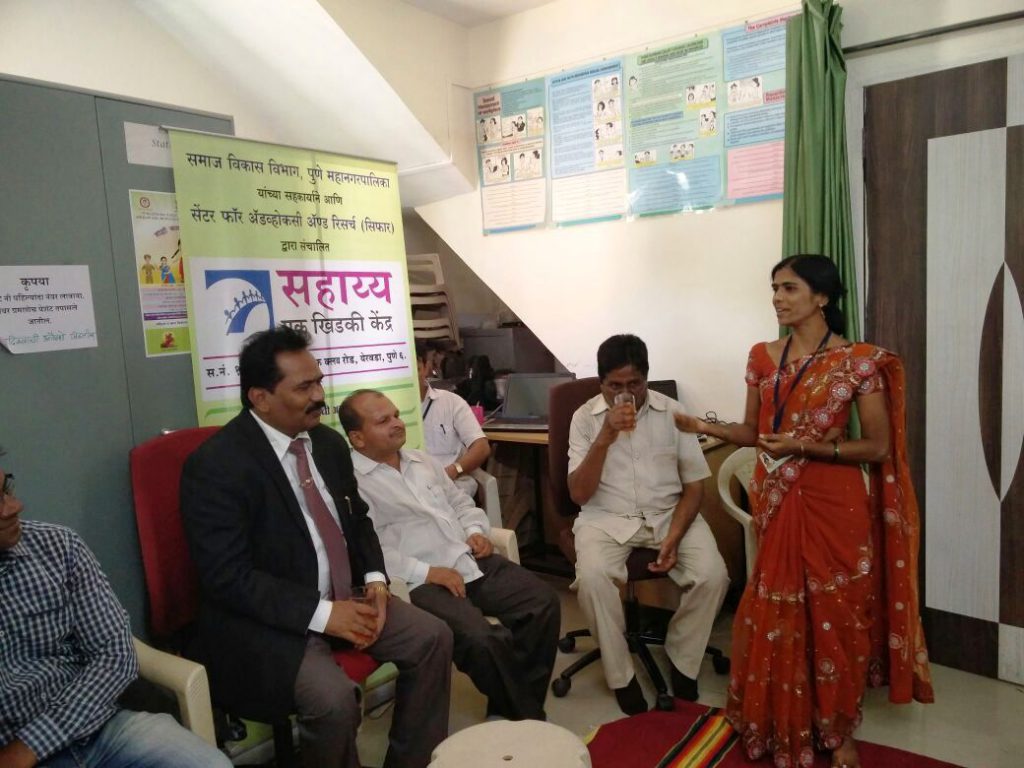
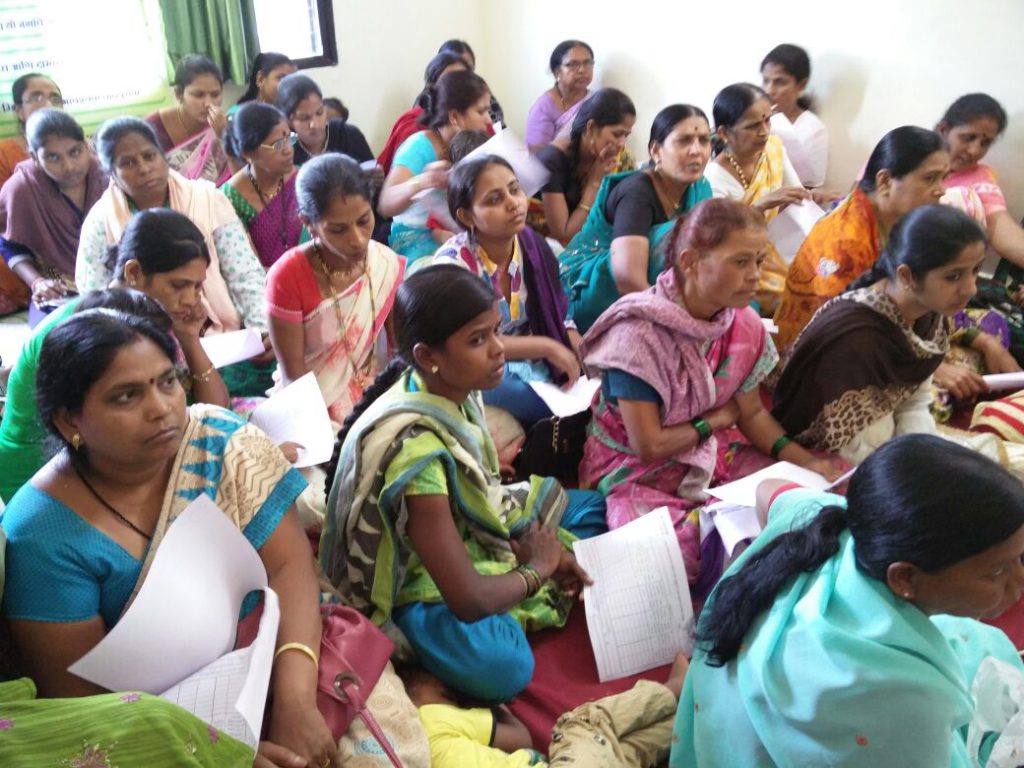
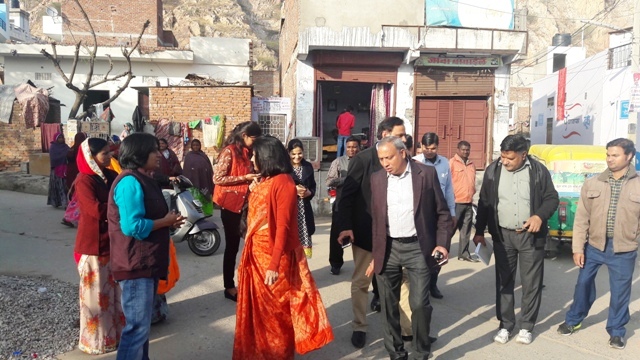
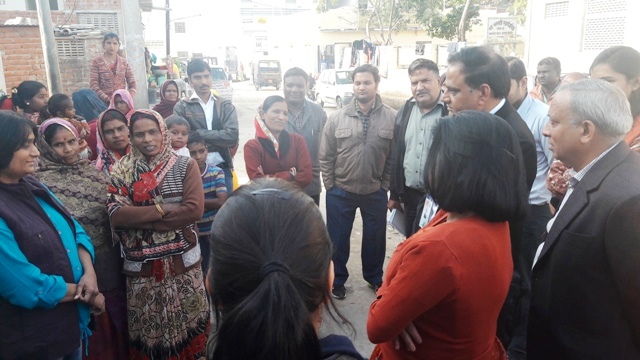
The District Magistrate (South, Delhi) felicitated CFAR for establishing six Self Help Groups for domestic workers and registering them under the National Urban Livelihood Mission. Proud moment as our Helpdesk & Single Window Forum members received certificate of appreciation from the Women and Child Development Department at the Khishori Mela. CFAR was recognized as the best NGO partner for empowering urban poor communities with health & nutrition services. On the occasion of the 14th National Voters' Day, the District Collector of Ajmer, in collaboration with the District Election Office Ajmer, felicitated CFAR. CFAR received recognition in the "Best NGO" category for its commendable efforts in motivating and facilitating diverse community groups to register themselves as voters of the nation.

VOICE FOR THE VOICELESS

Gram Kheda logs into ‘Adarsh Basti’ intervention of Delhi Government

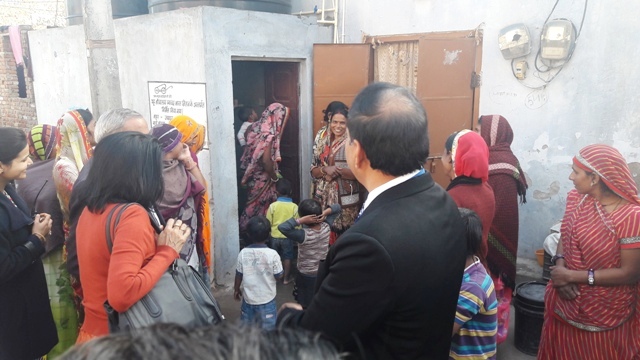
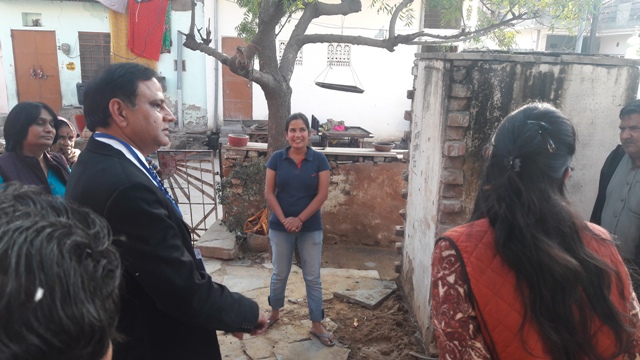
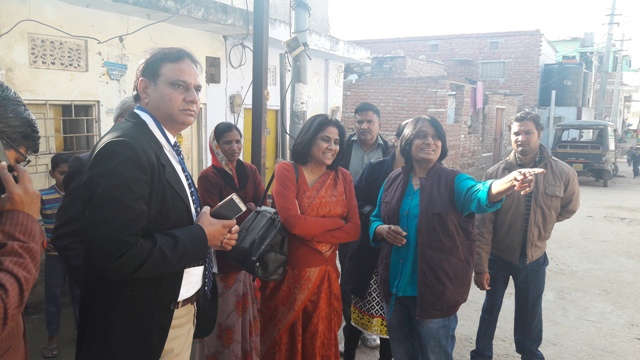
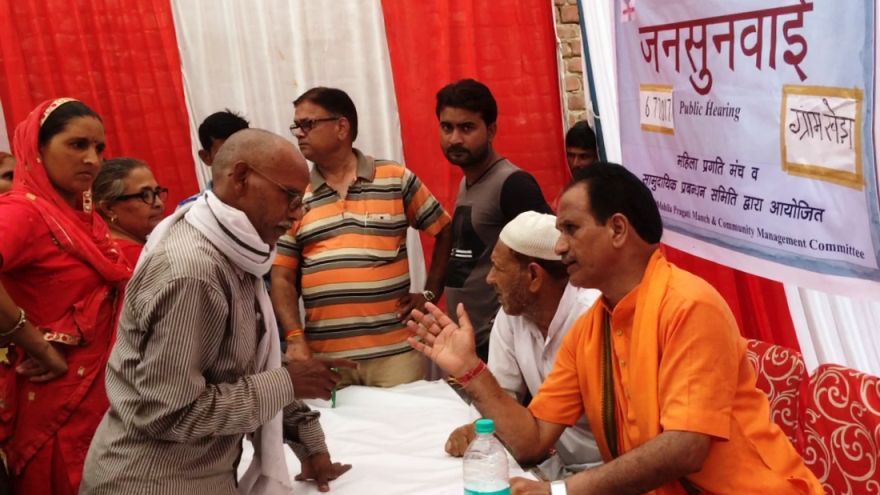
The Delhi Urban Shelter Improvement Board (DUSIB), CFAR and Mahila Pragati Manch signed an MoU to collectively work for the realization of Adarsh Basti following a well-attended Public Hearing in Gram Kheda, Mansarovar Park, in East Delhi, recently.

The settlement has been included in the list of 52 ‘Adarsh Bastis’ of Delhi as identified by the Delhi government for development of these slums with focus on sanitation.

Delhi has 675 slums that have been identified by the government.

The project involved ensuring community toilets are available and are in good condition, creating ‘Shishu Vatikas’ or playing areas for children, proper sewage network, road resurfacing, water supply and adequate lighting on streets.

The MoU has been signed to expedite the services needed to make Gram Kheda a model basti. This MoU has been signed between DUSIB, CFAR and MPM to manage the up-gradation of the sanitation services across 12 ‘Adarsh Bastis’ in east Delhi

The Jury consisted of the Municipal Councilor, Veer Singh Pawar, officials from DUSIB, Narendra Singh, DJB (Delhi Jal Board), B.S Bedi, ASI-EDMC (East Delhi Municipal Corporation), Girish Prakash, AE-EDMC and D.B Sharma representative of RWA-Dilshad Garden

Representatives from Community Management Committee, Adolescent and Youth Group and Male Group deposed. The deponents included, Saroj Bala, RWA member, Tasleem Khan and Nagma.

Aim

The aim of the Public Hearing was to take stock of the progress made to upgrade facilities taken in an earlier Public Hearing held on December 26, 2016, where a minimum plan of action emerged to address the problems raised by the residents of the settlement.

The thrust of this Public Hearing was to develop consensus on the solution that both the community and civic bodies needed to take forward to address the long standing concerns of the settlement. 

The major concerns of the area has been shortage of safe drinking water and unequal installation of taps leaving about 40 houses without any access to water; overflowing and clogged drains which need desilting; faulty gradient resulting in overflow of water onto the pavements and houses alongside; absence of electricity poles and street lights in some lanes making the area unsafe at night.

Lack of waste disposal facilities and irregular attendance of sanitation workers resulting in health problems especially among elderly and children was also raised. The matter of inadequate number of seats in the community toilets, absence of fixed charge for usage and lack of toilet facility at night were the other matters that were taken up.

The Public Hearing gave an opportunity to the community to raise their concerns with the government officials face-to-face.

Saroj Bala, an RWA member, deposed that, “there are no basic civic facilities in this community.”

 “We do not get water from Delhi Jal Board, there is no permanent connection and even the pipeline is disconnected,” she added in her deposition

Responding to the deposition, Narendra Singh, Supervisor DJB, said that they have installed taps in consultation with the residents.

“It would be helpful if the residents cooperated with each other to take care of everyone’s needs. If the space for installing tanks is approved in community plan, I can get it fast tracked as soon as the CMC makes a written request.  If the existing provision of one tanker of drinking water is insufficient please make a written request and we will send one more tanker,” the official added in his response

As part of the Jury, Councilor Veer Singh Pawar responded by stressing that “the Delhi Jal Board Junior Engineer should solve these issues on priority basis.

“If this is not done, I will be compelled to take strict action.”

Taking up the issue of clogged drains, Saroj Bala, deposed that: “Drains have not been cleaned for over six months. They have been so poorly constructed that the water flows back into the homes and mosquitoes breed in it.”

To this, Khajaan Singh, Junior Engineer from DUSIB responded that: “In two months you will see the change and asked the residents to record or contact officials directly if sanitation workers demand money for cleaning drains of lanes.”

Rakesh Kumar Action Engineer, DUSIB added to the official response by stating that the “approval has been given for an iron mesh to cover the big drain and the work will be complete within a week.”

Taking up the matter of security of women and girls while using the community toilets, Nagma, an ASHA worker deposed: “There are some groups of boys loitering around the CTC which discourages the girls and women from using them. Safety and security are a major concern. There are no open toilets at night.”

Khajaan Singh responded by urging the “residents to come together and address this problem collectively and firmly.”

Tasleem Khan, Ex-President of Gram Kheda deposed that: “We are charged every time we use the community toilet. The caretaker at the CTC charge Rs3 per or Rs5 use and this is extremely high for us.”

The DUSIB official, Khajaan Singh, responded that: “If all the users pay Rs.1 to the caretaker, the caretaker will not overcharge anyone. More budget has been allocated for construction of CTCs. However, even with this approval, the CTCs will be constructed only if there is enough space in the settlements. The residents will have to identify the common area where the new CTC can be constructed.”

Usha Rani from CFAR highlighted the lack of proper waste collection and in this connection stated that a petition has been forwarded by CMC members to the Councilor for installing sirens in auto tippers so that the residents are aware of its arrival and can use it in a timely manner

To this, Rakesh Kumar responded that they have already requested for an additional auto tipper for waste collection because the present auto tipper is currently catering to other settlements.

He also stated that the department has requisitioned for more tools and equipment to solve the problem of irregular collection.

Khajaan Singh offered to relocate the Aanganwadi in the place under the jurisdiction of DUSIB
Single Window welfare meet in Bangalore for construction, domestic workers a big hit

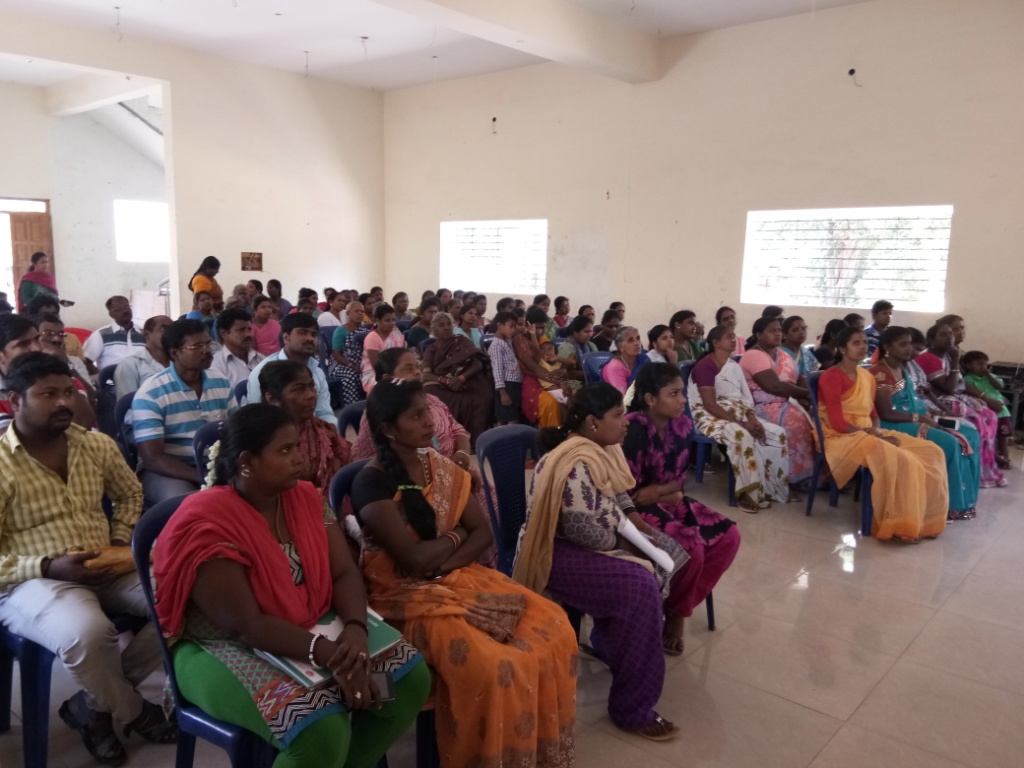
More than 150 construction and domestic workers attended stakeholders’ sensitization event organized by Sahaya Single Window. The meet held on June 21, 2017, at Community Hall in Anjanappa Garden, included officials from District Legal Services Authority, Labour department, Bruhat Bengaluru Mahanagara Palike (BBMP) and the local councillor.

The workers were from Anjanappa Garden, KP Agrahara and Ramakrishna Sevanagar.

Jaya Shankar, Senior Judge and Secretary, District Legal Services Authority, Bangalore Urban, Rekha Kadresh, Councillor, BBMP, Santhosh Hipparigi, Labour Officer, Shobha Patil, Senior Labour Inspector, Venkatesh Murthy, Community Mobilizer, Welfare, BBMP were present.

Jaya Shankar, the Secretary, directed the Labour officers to reach out to all the unorganized workers in the settlements with the support of Single Window and bring them under unorganized workers Board to reach all the services meant for them.

The Labour department must work with Single Window and local leaders to reach out to the unorganized workers. The department has to work at three levels; to educate the community about the schemes and programmes, to help them to apply for it and then to guide them to access the scheme benefits, the senior judge said.

Since Single Window has already mobilized the community at the ground, the department has to ensure that the benefits reach them, he added.

The Secretary also assured the community that Legal Services Authority would work with the community and they can directly approach the Authority for any assistance in accessing Social and Legal entitlements.

He also said the department and Single Window must ensure that the labour card holders get all the benefits such as scholarship for their children, medical assistance and benefits like financial support for their children’s marriage and constructing houses for themselves.  

Labour Officer Hipparigi spoke about the services that are available and how they can be assessed. About 15 new cards were distributed to construction workers.

Till date, 76 construction workers have got labour card in Anjanappa Garden.

Hipparigi also appreciated Single Window efforts in identifying the construction workers and helping them in getting labour cards.

Murthy, the Community Mobilizer, explained about welfare schemes and the various activities of BBMP.

He also said Single Window received 10 new applications for labour cards and 50 applications for children scholarship.

The senior judge Jaya Shankar also visited the Anganwadi Center in Anjanappa Garden and interacted with the children and the Anganwadi team.

He verified the documents maintained at the Centre and instructed the Anganwadi workers to display the education materials suupplied by DWCD.

Seeing that in one hall, two centers were running, the Member Secretary promised to write to the department to shift one center to another location.

Uma, Community Representative, Sahaya Single Window, praised the initiative.

She said there was a time when they were not able to access lot of schemes and programmes meant for unorganized workers like them.

..now Single Window has brought many departments together. We got to know about the various schemes offered for us. We have taken the initiative along with Single Window to create the various schemes and also help the community to get these benefits. 

National Dissemination Meet on Enabling the Urban Poor to Strengthen Access to Sanitation

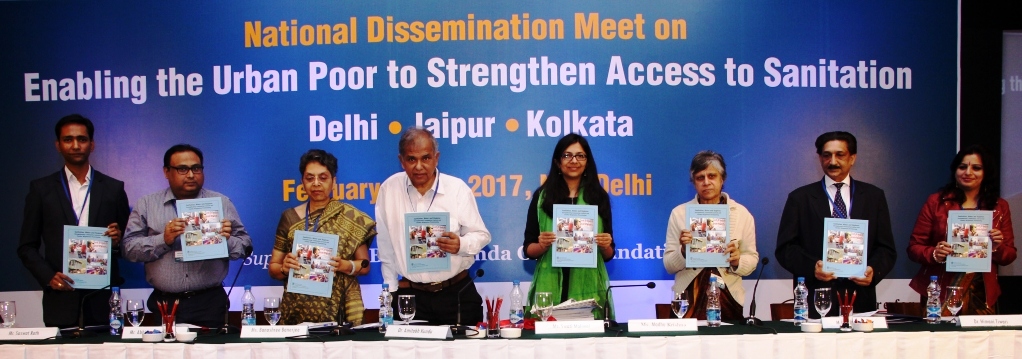
National Dissemination Meet on: Presenting the Findings from the Evaluation Study of a Three-Year Intervention on Enabling the Urban Poor to Strengthen Access to Sanitation  
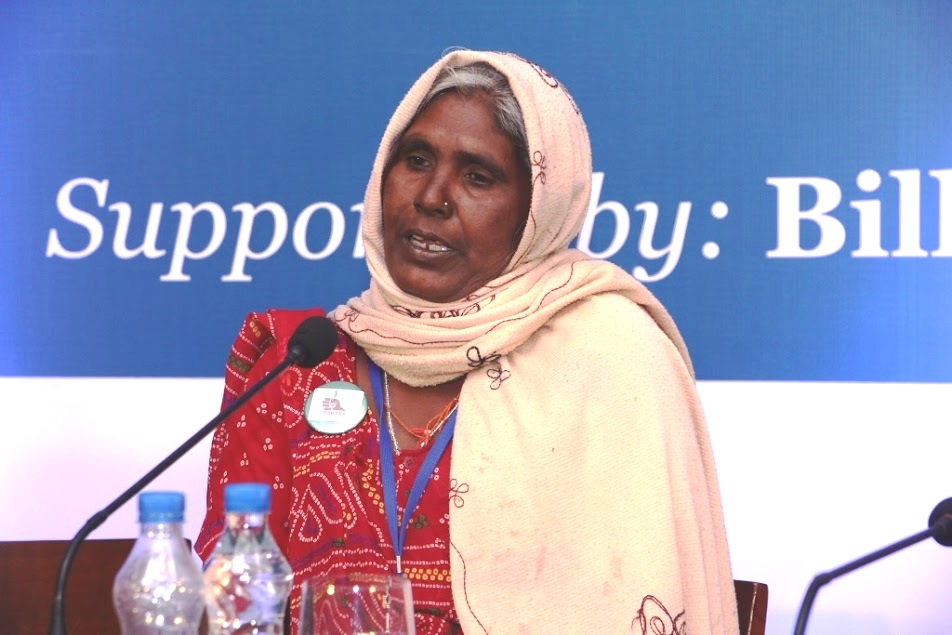
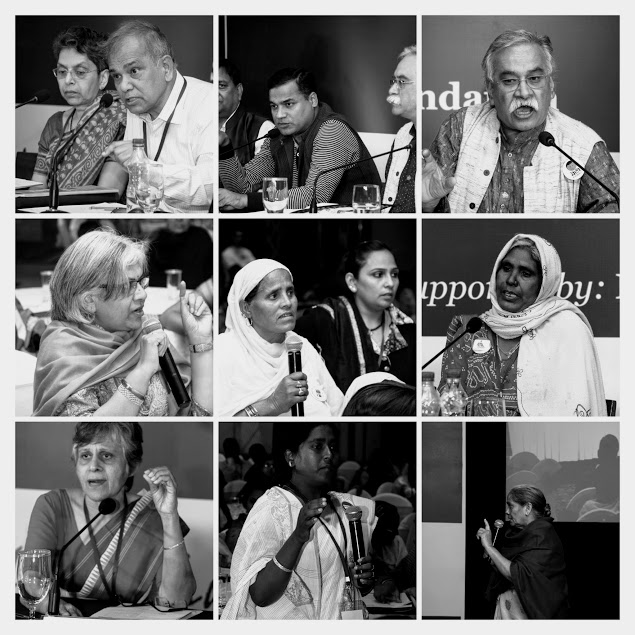
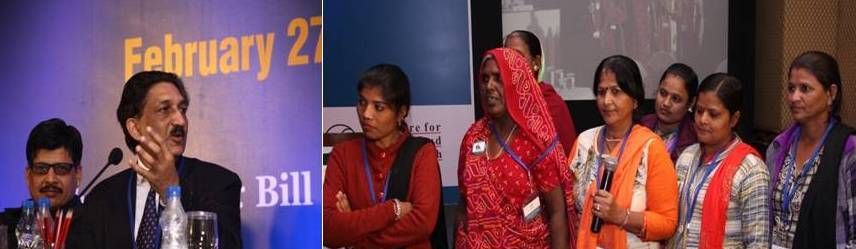
The National Dissemination Meet held in Delhi, on February 27-28, 2017, enabled the Centre for Advocacy and Research (CFAR) to share and reflect collectively on the best practices that had emerged from a three year (2012-15) community-led urban sanitation intervention, in the cities of Delhi, Jaipur and Kolkata. The intervention, which was supported by the Bill & Melinda Gates Foundation (BMGF), was jointly implemented by the Centre for Advocacy and Research, and three Community Based Organizations (CBO) Mahila Pragati Manch, Daksh Samooah and Alor Disha.
The findings from the Evaluation Study Sanitation, Water and Hygiene: Strengthening Community Centered and Gender Responsive Provisioning, which was conducted by the Institute for Human Development (IHD) and disseminated during the two-day Meet, highlighted and identified the changes that had been witnessed at the community level. They included:

  • Hugely enhanced awareness levels on WSH in the community which has motivated individuals and the community as a whole to ensure cleanliness in their homes and the settlement.

The effort of the Women’s Forum has gone a long way in making sanitation a people’s issue, with communities having a say in not only improving but also sustaining access to better services- Ms. Vimla, Founder member, Mahila Pragati Manch

  • Main success story in Delhi is the construction, renovation and maintenance of public toilets with official support from DUSIB and a decline in open defecation from 20 to 5%.

The community decided that they would build their own household toilets and within three years 300 household toilets were constructed with the help of local masons.- Ms. Tabussum from Mahila Pragati Manch, Delhi

  • Filing of complaints /demands for clean and adequate drinking water supplies; regular garbage collection; community management of street cleaning and other felt needs.
  • In Jaipur, introduction of new technologies like dry two-pit latrines; construction of individual toilets and it eventually link up with Swachh Bharat Mission.

Ms. Maya Verma, from Jhalana Kunda, recalls with a great sense of achievement of how the community had fought its own battles against open defecation, gone in search for an appropriate model for household toilets, learnt about the twin-pit toilet technique and replicated it on scale. “It is only after 35 households had constructed twin-pit latrines that the government woke up to the possibility and declared Jhalana Kunda as a learning site for officials and service providers.”          

  • Women and girls have started discussing their menstrual and reproductive health problems with their mothers, at health camps and with programme teams.
  • Families impose fewer restrictions on their daughters during their menstrual periods. (In Jaipur the proportion of women who did not allow their daughters to attend school has declined from 46 percent (baseline) to 16 percent (End line).
  • In J P Colony cluster of Jaipur, an adolescent girls forum was formed to promote personal hygiene among women in the cluster.
  • In Dakhin Kumrokhali and Stadiumpara clusters of a Kolkata slum, a women’s’ group named “Alor disha” was formed. CFAR with the help of this group started generating awareness about menstrual hygiene. The group also organized Dance Movement Therapy on health-related issues and provided them with proper knowledge on biological changes relating to women’s bodies.

Sabina Mondal from Alor Disha, Kolkata, speaks of her transformation from being a survivor of violence to agent of change in Rajpur-Sonapur Municipality. “In our settlements today we can say with great pride and confidence that the community has taken full ownership of the issue of sanitation and linked it with both health and hygiene; not just in our homes but also in the anganwadi and school.”

Over two hundred representatives from NGOs and CBOs-Mahila Pragati Manch, Daksh Samooah and Alor Disha- came together for the Dissemination Meet. They included 30 representatives from Jaipur, Kota and Jodhpur, 30 from Delhi, 20 from Bhubaneswar and 35 from Kolkata.

Convergence on Water Sanitation and Hygiene and ICDS

Convergence on Water Sanitation and Hygiene and ICDS

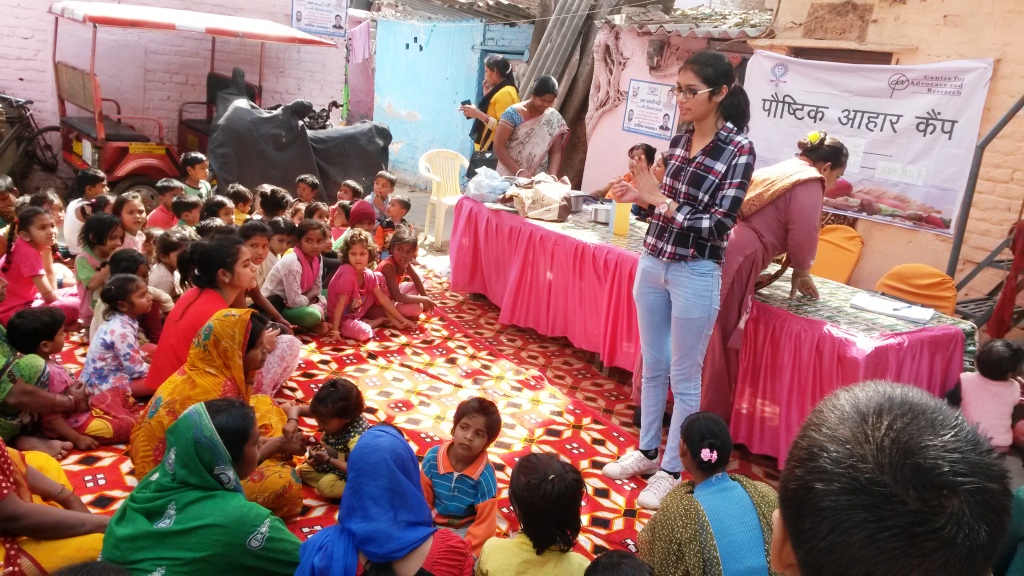
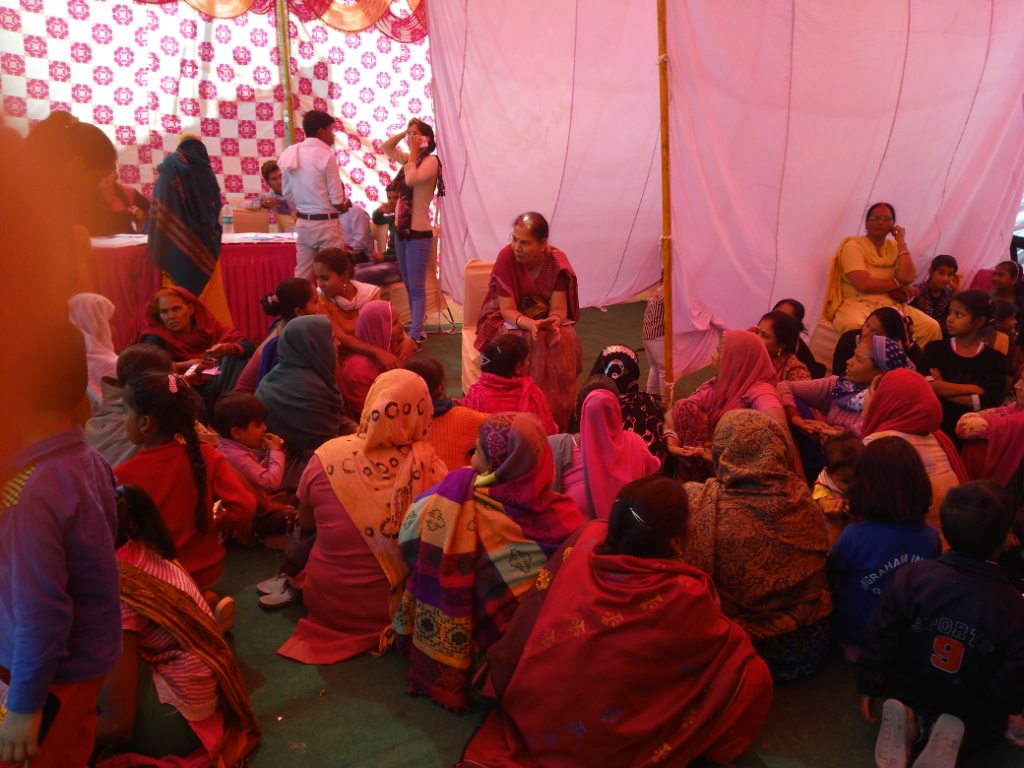
Nutrition cum Sanitation Camps

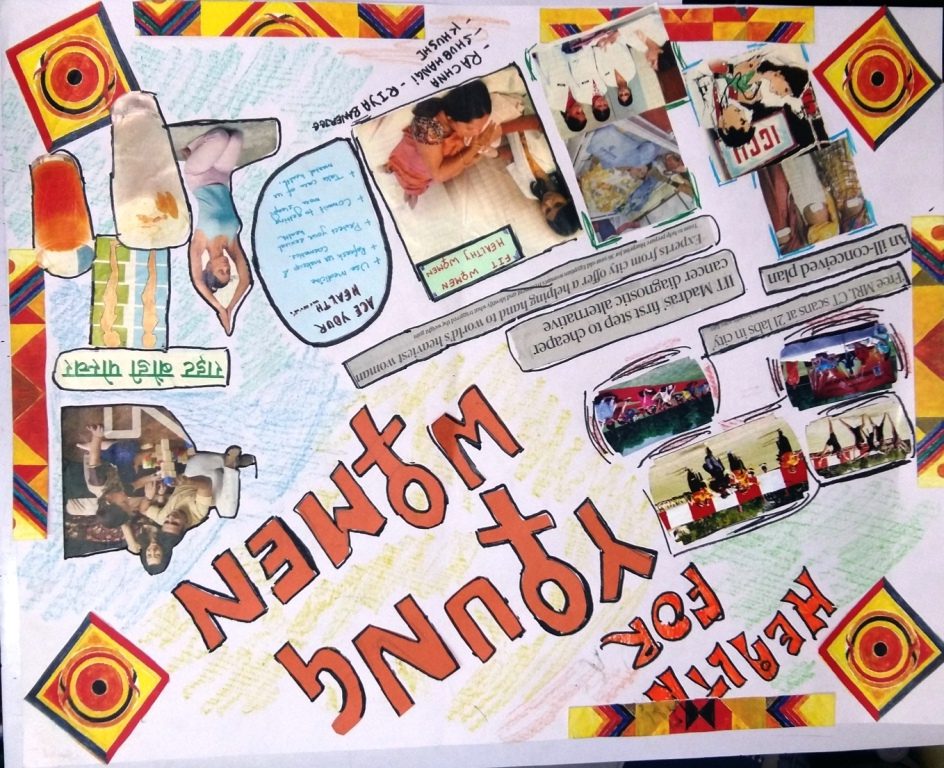
International Women’s Day, March 8, 2017

 Women spend so much time looking after their husbands, children and others in the family that they ignore their own health. I have understood today that as women age they face many deficiencies; therefore looking after one’s own health is very important.Chandravati, Karotia Camp

I learnt several things from this camp. One is that sprouts are a healthy form of iron and protein. The other is that we should change our habits, wash hands our hands with soap before and after a meal and make a healthy gruel for elderly and children using gram flour, soybean, milk and sugar. –Sahrunisha, IG Camp, Ashram

 By participating in this camp I learnt what foods are essential for the development of children- Jaya Devi, Rajasthani Camp, Sarita Vihar

Health and sanitation are closely linked. We need to take care of both cleanliness and nutrition. This is the road to good healthLaxmi Devi, Janta Jeewan Camp, Okhla

Led by Women’s and Adolescent Forum, World Water Day was Observed in Jaipur, Jodhpur and Kota

To highlight the importance of storage, conservation and purification of water and its inextricable link with health, the Women’s and Adolescent Forums supported by CFAR reached out to around 600 people through public meetings, street plays and rallies
Speaking about what the issue means to them, representatives from Women’s Forum and Adolescent Forum said ….
We stand in queues early in the morning for about two hours without knowing whether we will get sufficient water or any water at all. This makes us realize the importance of water conservation” Sunita, Representative, Women’s Forum- Jaipur
The rubber pipe that is used by the tankers for distributing water is not clean and many a times the tankers are not covered at the top. Water from borewell, tubewell is saline and with improper disposal of garbage and practice of open defecation we fear contamination of water. Therefore we must always take precaution before drinking or using the water”- Neelam, Representative, Women’s Forum, Sitaram Nagar- Jaipur
In localities where there is no pucca drainage, waste water goes into soak pits. Every house in Sootmill Colony has a soak pit and the streets not only look clean but it also prevents breeding of mosquitoes. There has been an improvement in the health of our children also”- Anju, Daksha Samooh
We all need to come together in adopting good practices and something like water management and conservation cannot be carried out in isolation by few households; everyone has to work together to ensure it.”Maya, Dakash Samooah
The Women’s Forum submitted several applications to Public Health Engineering Department (PHED) and Nagar Nigam to provide us water connection. So far, only 50 percent of the basti has been covered, but the Women’s Forum is determined to stay with this issue till it is solved as it impacts us and our children’s health”- Lila Devi, Representative, Women’s Forum- Jodhpur

Working Together – Learning Together:

The street play gives a clear idea of various aspects of violence. We would like it to be a part of all functions organised by the police. These young people have explained it very well- Ms. Anuradha, Inspector Delhi Police

I learnt about various aspects of gender through the exhibition- Mr. Gangasharan, School of Open Learning

This exhibition has provided our students with a new lens to understand gender and violence – Dr. Devender Kakar, Associate Professor, School of Open Learning

The ‘School of Life,’ an intervention shaped by survivors of violence and young people from college and settlements and facilitated since 2015 by the Centre for Advocacy and Research (CFAR) as part of the Wajood initiative supported by Population Services International has grown from strength to strength.

The young people realized very early on that violence is intrinsic and often linked with the different kinds of socialization we experience. Therefore it has to be confronted at many levels in order to understand and develop new value paradigms on gender, learn how to communicate with peers and engage with the many institutions that safeguard our rights as individuals and citizens. They not only learned but also created.

On the occasion of International Women’s Day, March 8, 2017, The School of Open Learning, University of Delhi organised a felicitation ceremony for 1500 Women Police Personnel who had received training on Self Defence. These police officers will be designated to lead various department across the city. This ceremony was the lead event of the International Women’s Day Celebrations in the School of Open Learning. The event was presided over by Ms. Varsha Sharma, DCP, SPUWAC.

CFAR was invited to set up the Public Art Exhibition in the School premises to enable the students from the School of Open Learning to understand the year-long effort made by learners from campus and settlements to understand and ideate on their understanding of gender based violence.

The exhibition Hamare Sapno KI Udaan-Youth Pradarshini presented on a single platform photographs, story board, graphic stories, newpapers, drawings, writings and performance that trace the challenges and dreams of young people who are faced with gender-based violence, both in public and private spaces. The young people through these creative outputs shared their thoughts, their notions of right and wrong, their ideas of rights and privileges, based on their lived realities.

Key Takeaways

Over the past six months, since October 25, 2016 the Public Art show has travelled to seven academic institutions Jamia Milia University, Bharti College, Shivaji College, Miranda House College, Janki Devi Memorial College and School of Open Learning where many other young people, mentors and stakeholders have viewed it and engaged with it. 

This has strengthened understanding on gender, gender-based violence, patriarchy, role of masculinities and related concepts and inspired  others to think on the issue, engage with it, analyse it which is essential to shape concerted responses on violence against women.

These diverse visuals mediums of communication have also enhanced local participation and created discussion and exchange between young people and stakeholders (including academics, police personnel, media ) on the need to seek social accountability and commitment to zero tolerance to violence against women, girls and boys. 

Among those who created and viewed this exhibition are many survivors who are witnessing and experience domestic violence in their lives The journey of these survivors is a road map for us to understand how to recognize the early signs of violence, what could have been done differently, who could have been reached out for support, who could have helped avert the violence.

Therefore this public art seeks to initiate a process which enables the young people to find a space for exploration and finding strategic solutions which are survivor centric so that the responses to violence can be shaped and guided by their experiences so that a structural change can be effected.

Strengthening Community Engagement on Health Care and Domestic Violence

“Never before has a camp been organized for women in this area by any organization. Please continue to hold such camps so that women and girls who do not step out of their homes can avail of health benefits”. Ajay, 23 years

 “The next time you hold a camp of this kind please involve my son and daughter. They will be sensitized and will also learn something” Rajrani, 55 years

“If you organize a camp in any other area please inform me. We will support you and provide any help you may need through our Diagnostic Lab at the hospital.” Sanjay, Moolchand Hospital

 “I was initially apprehensive about how I would be able to help the doctors. But when I helped some elderly women and men I realized that there are many ways in which we can help others”. Bhawna, Volunteer, 17 years

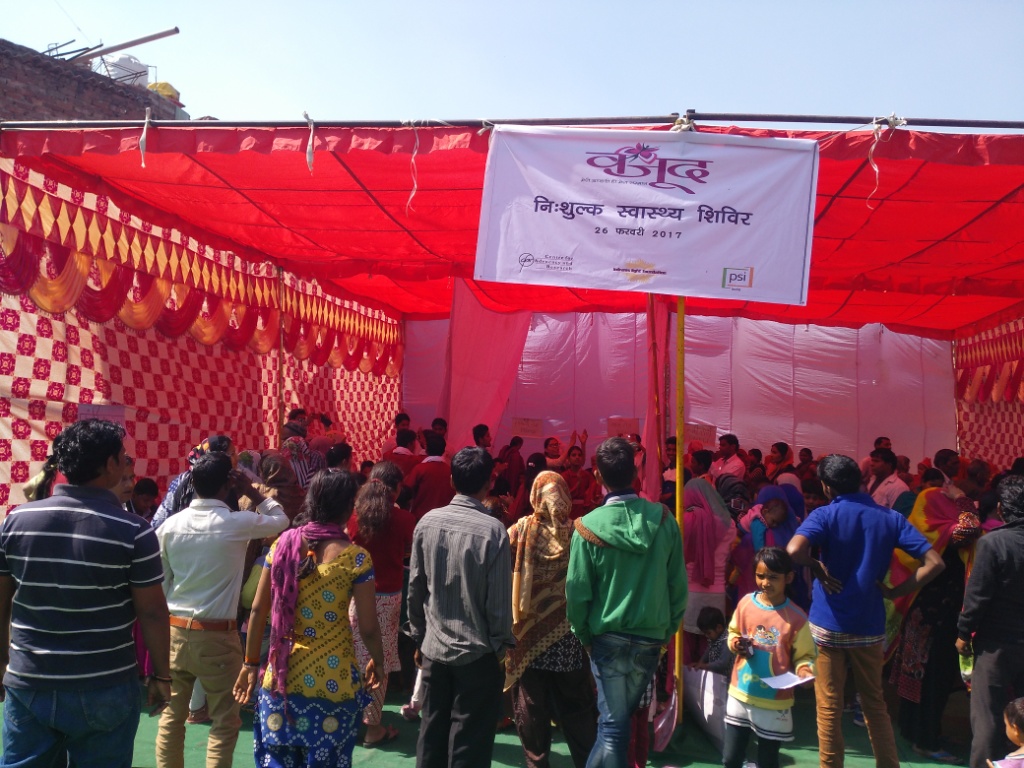
Following a request by the women survivor groups in the area, a health camp was organized in Block 21, Kalyanpuri, on February 26, 2017. The objective of the camp was threefold:

  • To reach out to other vulnerable women including pregnant, lactating and the elderly in block and clusters of 12, 17 and 21.
  • Engage with the community in these areas on issues of violence against women, especially domestic and intimate partner violence.
  • And to strengthen nutrition and health care services in the settlement by linking up with Anganwadi and ASHA (Accredited Social Health Activists) workers.

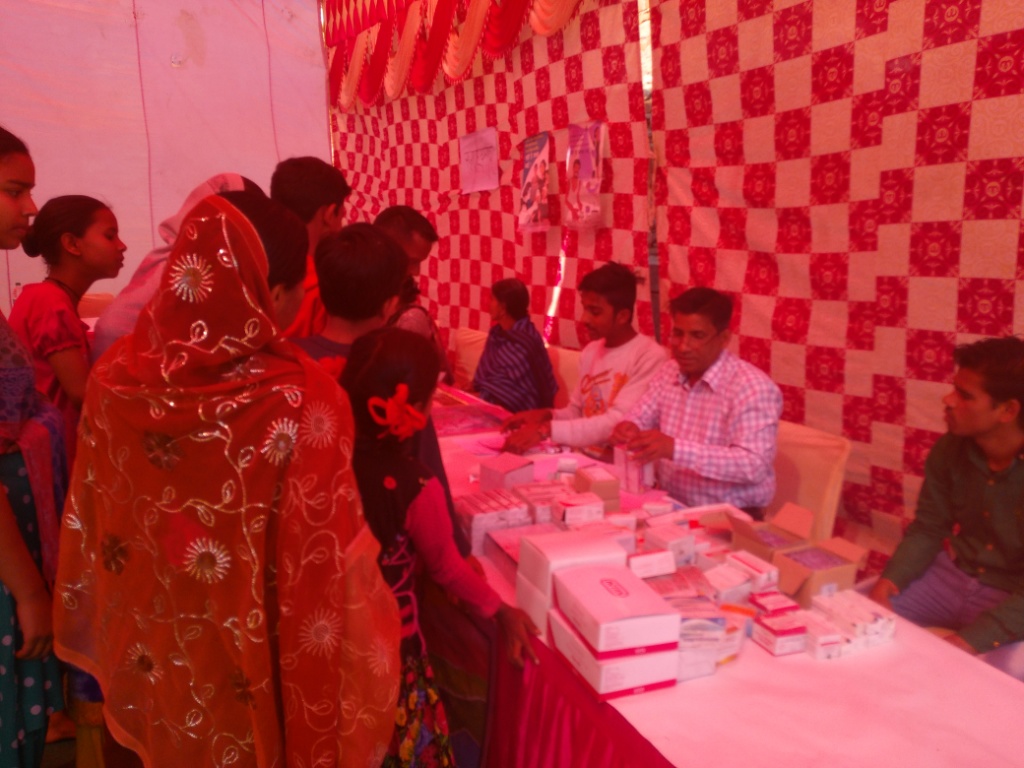
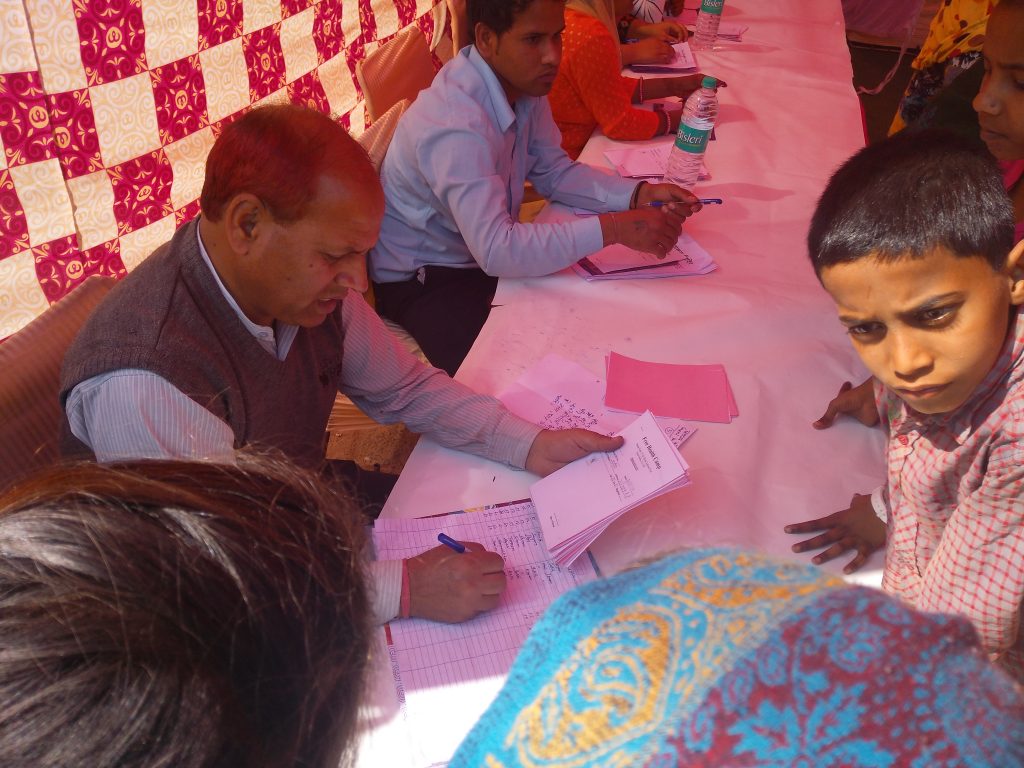
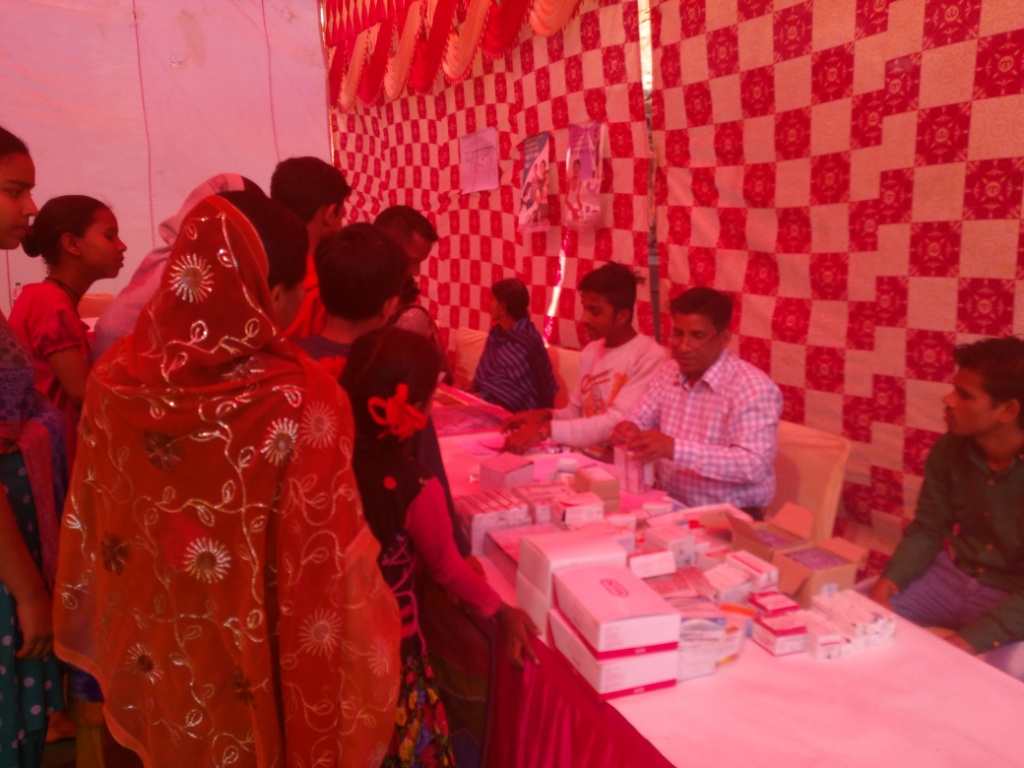
The camp was attended by 450 people (349 women and 101 men) from the three clusters and blocks. Of them, 300 patients registered for diagnosis, treatment of various ailments and to seek advice on gynecological problems, anemia, nutrition deficiency in infants and joint pains in elderly women and men. Specific queries relating to STIs, RTI, ANC and PNC were also addressed.

Dr.Poonam Tripathy, CDPO East, briefed the women on the various services and benefits provided by Anganwadi centers, under the ICDS (Integrated Community Development Scheme), for children in the 0-6 age group.  While doing so, she explained that, “the anganwadi is ä preschool for toddlers where various methods are used to facilitate motor and development skills in young children. The anganwadi workers also take care of the nutrition and immunization needs of children so that they can be protected against diseases.”

Apart from this, ASHA workers were trained to provide information on the services that are available for pregnant women at the institutional dispensary and hospitals, for care of new born children and for facilitating safe motherhood. The workers also give information on methods of contraception, the need for a gap between children and the adverse effects of frequent pregnancies on women’s health and well being. One hundred and ten (110) women registered with the ASHA and Anganwadi workers for counseling and information on services provided by ICDS.

A counseling desk was set up by the CFAR team to provide information through the Women’s Helplines 181, 1091, 1516 and PWDVA (Protection of Women from Domestic Violence Act 2005), as well as free legal aid services through the DLSA.

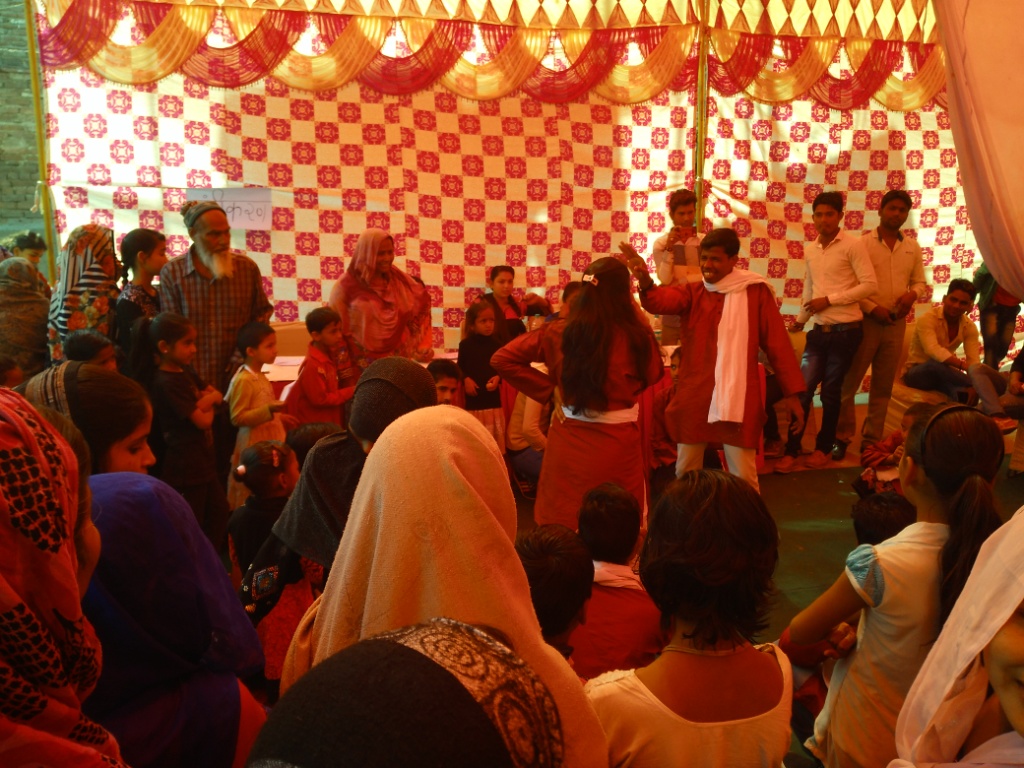
A street Play Mera Wajood was performed by the youth group Hamari Pehchaan before an audience of about 100 women, men and young people. Following the performance members of the youth group responded to questions raised by the audience. Many in the audience also shared personal experiences of violence. Four cases of domestic violence were also registered.

National Dissemination Meet on Enabling the Urban Poor to Strengthen Access to Sanitation

National Dissemination Meet on: Presenting the Findings from the Evaluation Study of a Three-Year Intervention on Enabling the Urban Poor to Strengthen Access to Sanitation  

The National Dissemination Meet held in Delhi, on February 27-28, 2017, enabled the Centre for Advocacy and Research (CFAR) to share and reflect collectively on the best practices that had emerged from a three year (2012-15) community-led urban sanitation intervention, in the cities of Delhi, Jaipur and Kolkata. The intervention, which was supported by the Bill & Melinda Gates Foundation (BMGF), was jointly implemented by the Centre for Advocacy and Research, and three Community Based Organizations (CBO) Mahila Pragati Manch, Daksh Samooah and Alor Disha.  

The findings from the Evaluation Study Sanitation, Water and Hygiene: Strengthening Community Centered and Gender Responsive Provisioning, which was conducted by the Institute for Human Development (IHD) and disseminated during the two-day Meet, highlighted and identified the changes that had been witnessed at the community level. They included:  

  • Hugely enhanced awareness levels on WSH in the community which has motivated individuals and the community as a whole to ensure cleanliness in their homes and the settlement.

The effort of the Women’s Forum has gone a long way in making sanitation a people’s issue, with communities having a say in not only improving but also sustaining access to better services- Ms. Vimla, Founder member, Mahila Pragati Manch

  • Main success story in Delhi is the construction, renovation and maintenance of public toilets with official support from DUSIB and a decline in open defecation from 20 to 5%.

The community decided that they would build their own household toilets and within three years 300 household toilets were constructed with the help of local masons.- Ms. Tabussum from Mahila Pragati Manch, Delhi

  • Filing of complaints /demands for clean and adequate drinking water supplies; regular garbage collection; community management of street cleaning and other felt needs.
  • In Jaipur, introduction of new technologies like dry two-pit latrines; construction of individual toilets and it eventually link up with Swachh Bharat Mission.

Ms. Maya Verma, from Jhalana Kunda, recalls with a great sense of achievement of how the community had fought its own battles against open defecation, gone in search for an appropriate model for household toilets, learnt about the twin-pit toilet technique and replicated it on scale. “It is only after 35 households had constructed twin-pit latrines that the government woke up to the possibility and declared Jhalana Kunda as a learning site for officials and service providers.”          

  • Women and girls have started discussing their menstrual and reproductive health problems with their mothers, at health camps and with programme teams.
  • Families impose fewer restrictions on their daughters during their menstrual periods. (In Jaipur the proportion of women who did not allow their daughters to attend school has declined from 46 percent (baseline) to 16 percent (End line).
  • In J P Colony cluster of Jaipur, an adolescent girls forum was formed to promote personal hygiene among women in the cluster.
  • In Dakhin Kumrokhali and Stadiumpara clusters of a Kolkata slum, a women’s’ group named “Alor disha” was formed. CFAR with the help of this group started generating awareness about menstrual hygiene. The group also organized Dance Movement Therapy on health-related issues and provided them with proper knowledge on biological changes relating to women’s bodies.

Sabina Mondal from Alor Disha, Kolkata, speaks of her transformation from being a survivor of violence to agent of change in Rajpur-Sonapur Municipality. “In our settlements today we can say with great pride and confidence that the community has taken full ownership of the issue of sanitation and linked it with both health and hygiene; not just in our homes but also in the anganwadi and school.”

Over two hundred representatives from NGOs and CBOs-Mahila Pragati Manch, Daksh Samooah and Alor Disha- came together for the Dissemination Meet. They included 30 representatives from Jaipur, Kota and Jodhpur, 30 from Delhi, 20 from Bhubaneswar and 35 from Kolkata.

Response: Policy Makers, Official, Experts and Partners

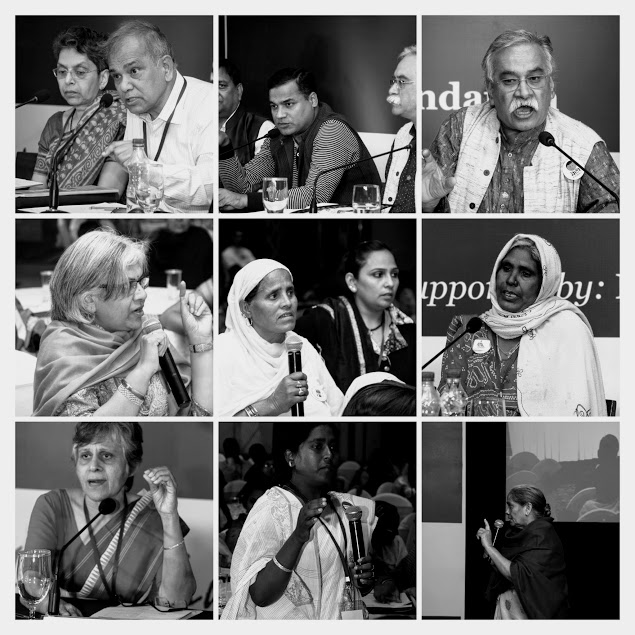
In her Keynote Address, Ms. Swati Maliwal, Chairperson, Delhi Commission for Women (DCW), emphasized that the lack of access to clean public toilets was an issue she had personally experienced and that DCW was committed to addressing the issue of sanitation. She further affirmed that, “DCW will review the Evaluation Report and take serious note of its findings and recommendations and work towards strengthening community access to sanitation.”

In her Opening Address, Ms. Madhu Krishna, BMGF said, “Without community engagement a WSH intervention or programme is not possible, which is why a partnership with CFAR is very important for us. Through this intervention we have witnessed how community representatives can be effectively facilitated to become strong agents of change. We will take these lessons forward across the county.” She also emphasized on the need for men to be brought into the process of community-centered sanitation initiatives.

Mr. S.K Mahajan, Chief Engineer, Delhi Urban Shelter Improvement Board (DUSIB), stated that DUSIB has been working relentlessly over the last two years in improving sanitation across the settlements and was aspiring to gain a special branding for the Community Toilet Complexes built by DUSIB. He also emphasized on the need for proper maintenance of toilets and announced that DUSIB would soon be launching an App through which anyone can file complaints. He concluded by assuring everyone that DUSIB would provide special toilets free of cost for use at night.

Dr Himani Tiwari, Coordinator, City Managers Association, Rajasthan, spoke about how CFAR, Daksh Samooah and Women’s Forums had played a major role in strengthening access to sanitation services in Jaipur. She spoke of how the Jaipur Municipal Corporation had organized a camp for the first time in Rajasthan, with support from CFAR, during which numerous applications for individual toilets were filed and processed and the first installment of the subsidy was issued on the spot. This process was then replicated in other cities. She added that Jhalana Kunda basti, where the CFAR team had worked, has been adjudged as a best practice and even declared a learning site for officials and service providers.

During the panel discussion Prof. Amitabh Kundu, former Professor, Jawaharlal Nehru University, who was the moderator, declared that “the best approach was to work in partnership with the government and utilize government schemes that are available for the poor”.

He added that, “It is good that central and state governments are now so focused on water, sanitation and hygiene as it is directly linked with improving life expectancy. But having said this it is important to add that these government initiatives must reach the poorest of the poor.”

Mr. Saswat Rath of Sambodhi Research & Communication, pointed that while one of the major reasons for constructing toilet was the safety of women, ‘the biggest barrier was lack of money and space.”

 Abhishek Chatterjee, WASH Institute, “We can see the impact of interventions in the community but we have to ensure that the work is sustained once the NGOs leave. Therefore, it is important to identify champions within the community who will take the process forward.” He went on to state that one could “see the enhancement in confidence level in the community representatives gathered at the Meet.”

Banashree Banerjee, Urban Planner, IHS (Institute for Housing and Urban Development Studies, Erasmus University) emphasized that “strengthening government institutions like MCD and DUSIB is also very important. Communities face numerous problems so when they approach these institutions with suggestions changes should be made in order to ensure better service delivery.” She further emphasized that “community experience must be utilized at the institutional level.”

Key Takeaways

In the Concluding Session the key takeaways were:

“The intervention had managed to reach out to clusters which remained unknown and neglected so far”. – Ms. Indu Prakash Singh, Expert on Urban Poor and Homelessness

 Agreeing with this Ms. Gouri Choudhury, Chairperson, Action India, stated that the Swachh Bharat Mission had “started a whole new women’s movement without possibly intending to do so because women have taken the leadership in strengthening sanitation services”.

Taking this observation forward, Ms. Mamta Dash, WaterAid, India, said that “CFAR had set an example by playing the role of a link between the government and the community to address sanitation issues”.

“DUSIB has mandated to make slum areas in Delhi Open Defecation free by 2019. There is a great need for awareness generation and community participation for the maintenance of toilets. Now we have inspection teams for toilet complexes and a grading system. Grades are steadily improving with time.”- Shri. A.K Gupta, DUSIB Board Member

“The community’s role is very important for participatory governance and here we see the community playing a very active role”- Shri. Bipin Rai, Board Member DUSIB

 “Community behavior change is very important but behavior change must also be there in the system at the service delivery provider level. Another important point that I want to make here is that the government should have confidence in women’s groups and budget control must be in the hands of the community.”  Shri. D.K Bose, Trustee-CFAR

“The way women forums are working in all these areas and how their capacities have been built over the time is the most important thing I see here today. We need to sustain this.” Ms. Shobita Rajagopal, Associate Professor, IDS

In the concluding session, Ms. Akhila Sivadas, Executive Director, CFAR said, “At the end of the day if this evaluation study can help to gain greater recognition of the pivotal role that community organizations can play in shaping both access to and ownership of safe and sustainable sanitation practices the National Dissemination Meet would have succeeded in more than one way”.

Building awareness on NALSA Schemes for unorganised workers

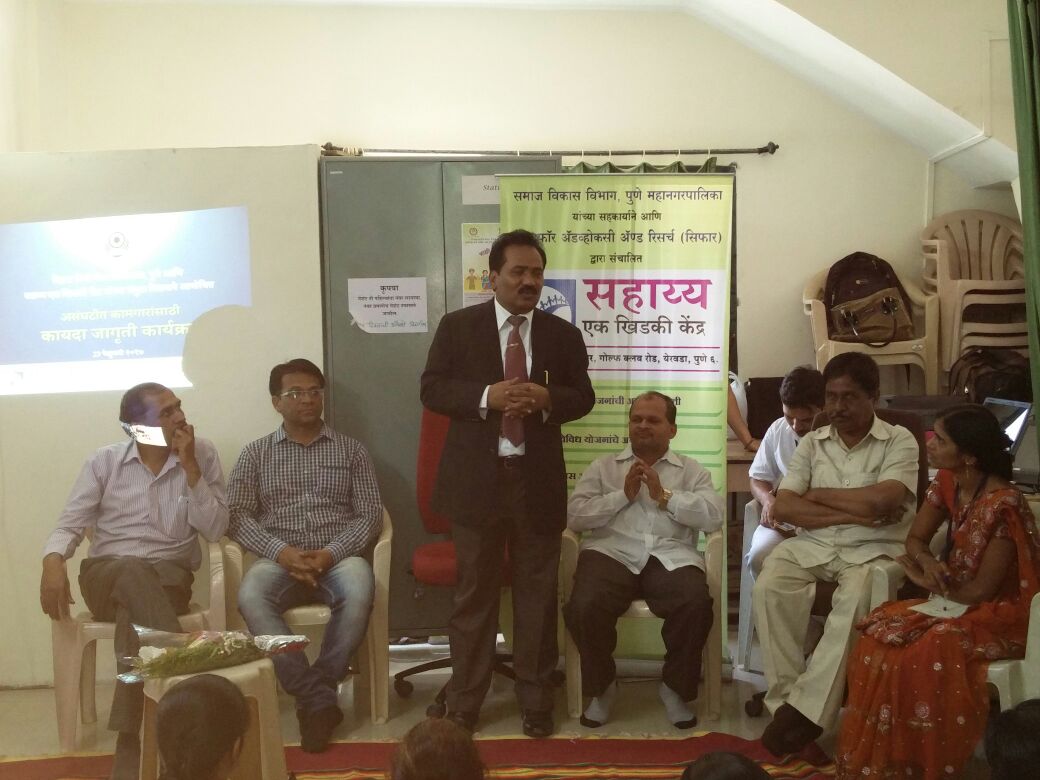
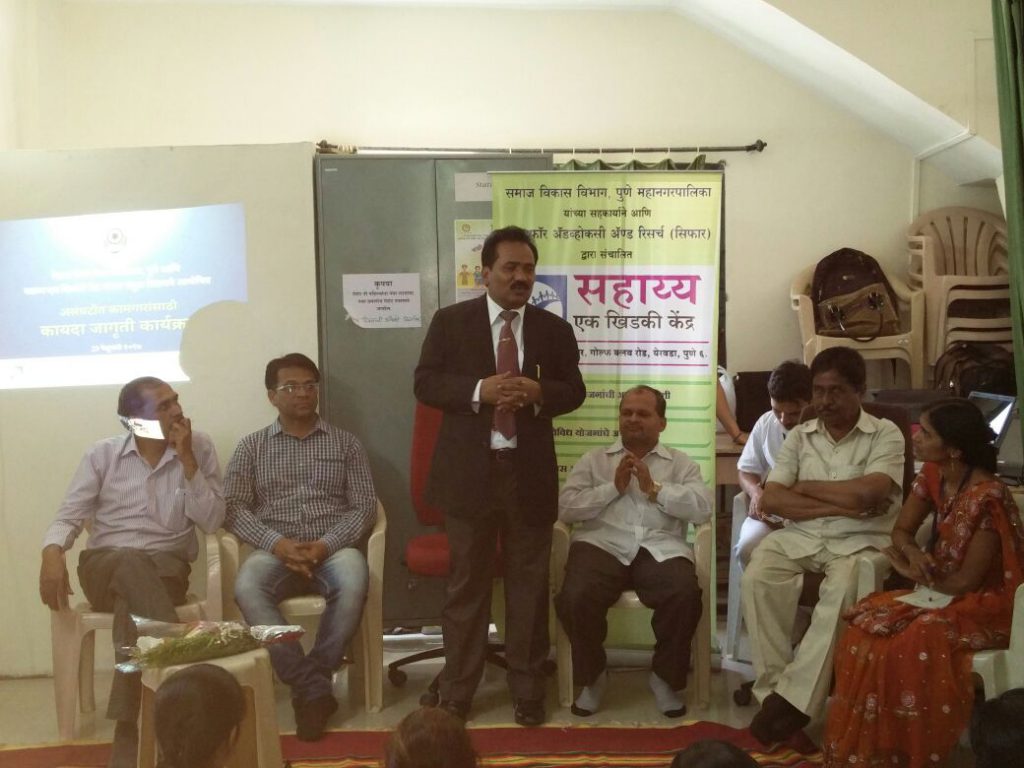
CFAR Pune conducted a Legal Awareness Programme on NALSA schemes for workers in the unorganized sector, at the Sahaya Single Window, on 23rd Feb. 2017. Member Secretary DLSA, Mr. Raosaheb Kokare, Adv. Jalal Pathan, Mr. Prabhakar Kamble and Adv. Nanda Jadhav were present at the event; as were forty seven (47) Community representatives from  Vishrantwadi, Shramik Vasahat, Jadhav Nagar, Laxmi Nagar 1 and 2, Kamraj Nagar, Mozhe Nagar, Yashvant Nagar and Barma Shel Vasti.

The event commenced with a presentation on how the Single Window has been enrolling those who were applying for Ration Cards, subsidies for the construction of Individual House Hold Toilet (IHHL), ICDS schemes and programmes run by the Pune Municipal Corporation for urban poor populations, physically challenges persons and others. Reports were also presented on the various other activities that were organized by the Single Window.

Adv. Jalal Pathan, Panel Member of DLSA, discussed the schemes that were being conducted by the Labor Welfare Department, for workers in unorganized sectors. While doing so, he shared information on the registration process, annul charges/ fees and how these schemes provide social security and social and educational development for unorganized workers. For example, the annual registration charge of Rs 68.00 entitles the person to get medical assistance of up to Rs. 5 lakhs a year as well as educational benefits for their children etc.

During the discussion that followed, community representative spoke of the problems unorganized workers had in getting themselves registered and availing of benefits.

Community representative Gulnar Shaikh said that when they had tried to register under the various schemes the concerned official did not provide the necessary information on the registration process and the benefits provided by the schemes.

Community representative Ujalla Shigvan spoke of a property dispute in a family and asked that free legal guidance and legal Aid by provided at the Sahaya Single Window. She also mentioned family disputes and domestic violence cases of others in the community.

Members Secretary Mr. Raosaheb Kokare, announced that a Free Legal Aid Clinic would be started in March 2017, especially for women in the unorganized sector, at the Sahaya Single Window. He also invited the Principal District Judge of Pune Mr. Prithviraj Chavan for the inauguration of the Legal Aid Clinic.

Participants were also assured that a joint meeting would be held with  the Labor Commissioner to smoothen the process of registration of domestic workers in the second week of March 2017.

In conclusion Mr. Kokare said that he has been keenly following the reports that have been appearing on the various activities of the Single Window and added  that he was particularly impressed with the reports on capacity building of grass root workers that was held in January 17, 2017 and periodic assessment held in December 2016.

Quality Council of India (QCI) at Jhalana Kunda to understand ‘Community Involvement’ in constructing IHHL

In response to a request from the Jaipur Municipal Corporation (JMC) the Centre for Advocacy and Research (CFAR) facilitated an inspection of IHHLs (Individual House Hold Latrines) in Jhalana Kunda, in Jaipur, by a team from the Quality Council of India; an autonomous body that has been set up by the Government of India, as an auxiliary unit of the Union Ministry of Urban Development (MoUB), to conduct the Swachhata Sarvekshan Survey.

The purpose of the Survey, which commenced on January 4, 2017, in 500 cities including Jaipur, is to rank cities on the basis of the work done by Urban Local Bodies (ULBs) on cleanliness, hygiene and other aspects of safe sanitation at the local level. JMC also requested CFAR to facilitate an interaction with members of the Women’s Forum in the settlement.

The visit to Jhalana Kunda, a temporary settlement, on January 28, 2017, began with the two member team comprising of Shrimati Yashodhara Vijayan, Deputy Secretary, Government of India and Shri Pankaj Tyagi, Representative, Quality Council of India, inspecting the IHHL in Shri Ram Chandra’s house. During the interaction with the family, Shri Ram Chandra’s daughter Kanchan, who is a member of the youth group, spoke of how the family used to “go to the jungle or nearby hill top to relieve themselves prior to the construction of the toilet”.  When Shrimati Vijayan pointed out that the toilet space was “looking old”, Kanchan explained that in that space the family had previously constructed a temporary makeshift toilet with an exit pipe, which could be used as a bathroom during the night or if someone in the family was ill. And that in the same space the present toilet, using the Twin Pit technology, was built six months ago using the same structural base. She also showed the team the toilet and gave a detailed explanation on how the Twin Pit technology works.

The team then visited two other IHHLs in the settlement and asked Pramod Kumari, who had constructed a toilet six months ago, if she felt any different now that she has a toilet in her house. She told them that the benefits were many, the most important being that “we do not have to defecate in the open and can use the toilet during the day and at night.”

When asked if she had received “any support for making this toilet” Pramod Kumari said that they had “received Rs 4000 as of now but had no idea when the rest will come.”

Interaction with Women’s Forum

The interaction with the members of the Quality Council team covered a range of issues relating to sanitation and hygiene from IHHLs to garbage disposal and the importance of community participation in strengthening Swachh Bharat Mission.

Ms. Maya Verma, a member of the Women’s Forum told the team that, “there were 360 new IHHL constructions in the settlement and that some families have received the first installment while a few had also received the second installment.”

The discussion then turned to the disposal of garbage and how the community was dealing with it. Maya said that, all of them cleaned the space outside their homes “but in the absence of community dustbins we face the problem of dumping and getting the garbage removed regularly.’’ Manju then added that Women’s Forum Members have submitted an application to the concerned department on the lack of no dustbins in the settlement but “there is no response from the authorities.”

Shri Pankaj Tyagi, Representative, Quality Council of India, stepped in at this point and asked the Municipal Corporation officials, who were present, why dustbins were not installed in the settlement. The Sanitation Inspector, from Moti Dungri said that this was because “the settlement has narrow lanes and large garbage van cannot enter the lanes.”

This prompted Shri Tyagi to suggest that the residents should collectively designate an area in the settlement and persuade everybody to throw their garbage there. This garbage could be removed regularly and the settlement would remain clean.”

Poonam Kulshrestha, CFAR, also apprised the visiting team on the processes that were being followed to strengthen community participation in the Swachh Bharat Mission and the role of the community-based organization Daksh Samooh.

The interaction concluded with Shrimati Yashodhara Vijayan and Shri Pankaj Tyagi expressing their appreciation for the role that CBO and CFAR were playing in promoting sanitation and hygiene in communities and their approach and vision on community engagement.  

Subscribe To Newsletter

Pleace enter your email and get news updete for donation company.