• Welcome to CFAR

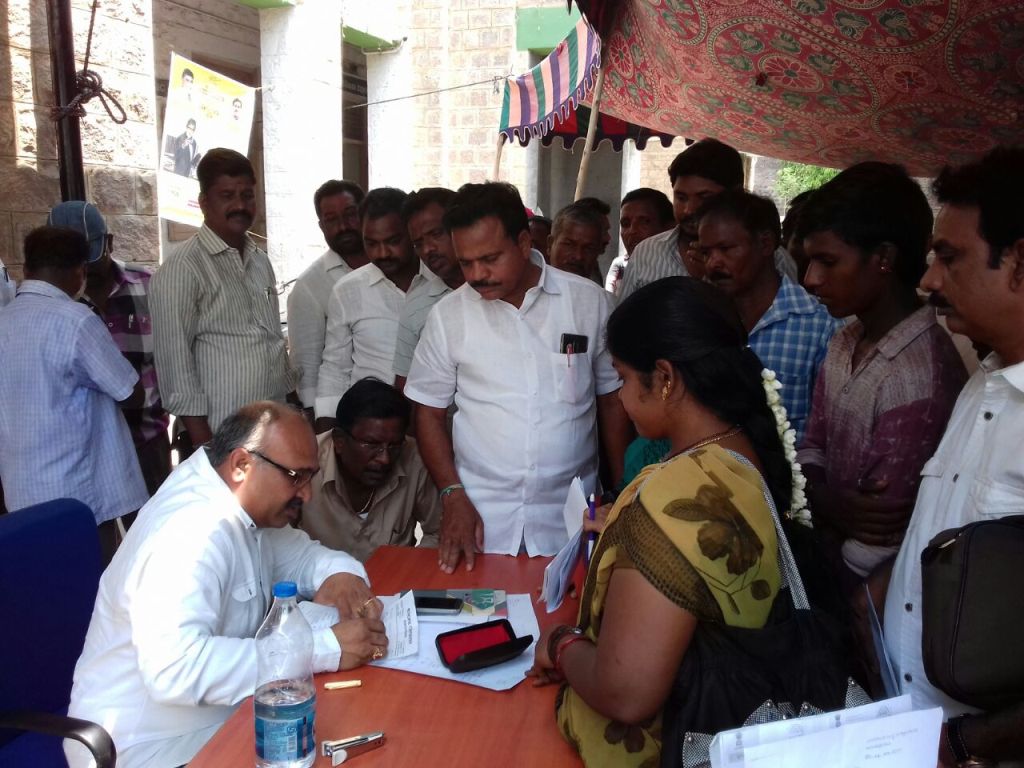
The District Magistrate (South, Delhi) felicitated CFAR for establishing six Self Help Groups for domestic workers and registering them under the National Urban Livelihood Mission. Proud moment as our Helpdesk & Single Window Forum members received certificate of appreciation from the Women and Child Development Department at the Khishori Mela. CFAR was recognized as the best NGO partner for empowering urban poor communities with health & nutrition services. On the occasion of the 14th National Voters' Day, the District Collector of Ajmer, in collaboration with the District Election Office Ajmer, felicitated CFAR. CFAR received recognition in the "Best NGO" category for its commendable efforts in motivating and facilitating diverse community groups to register themselves as voters of the nation.

VOICE FOR THE VOICELESS

CFAR’s work on fecal sludge management is helping households construct proper septic tanks and twin pits for their toilets

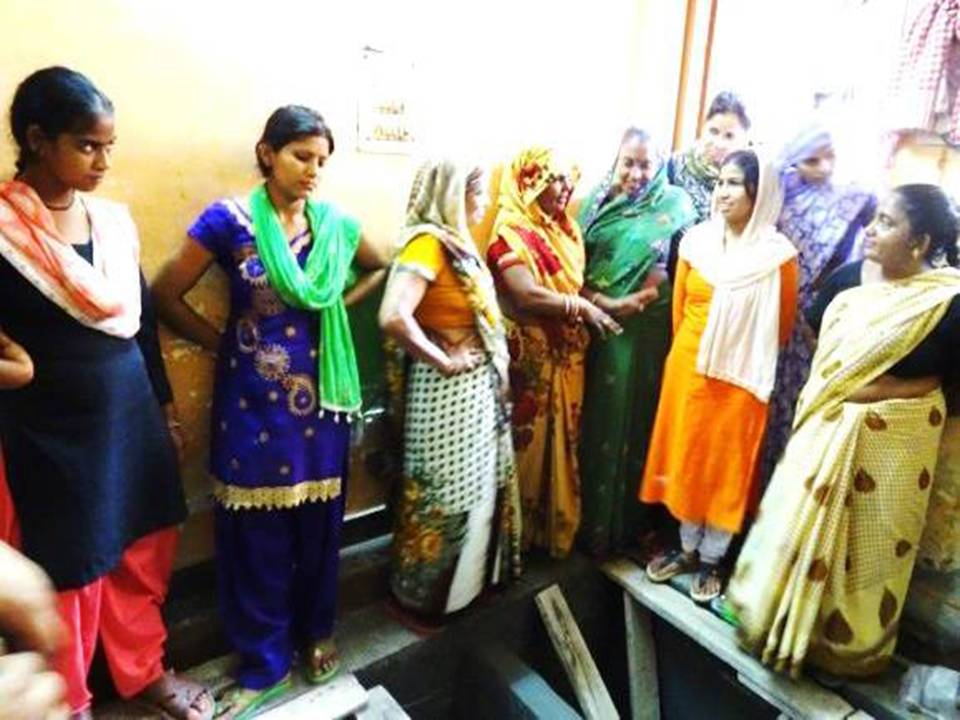
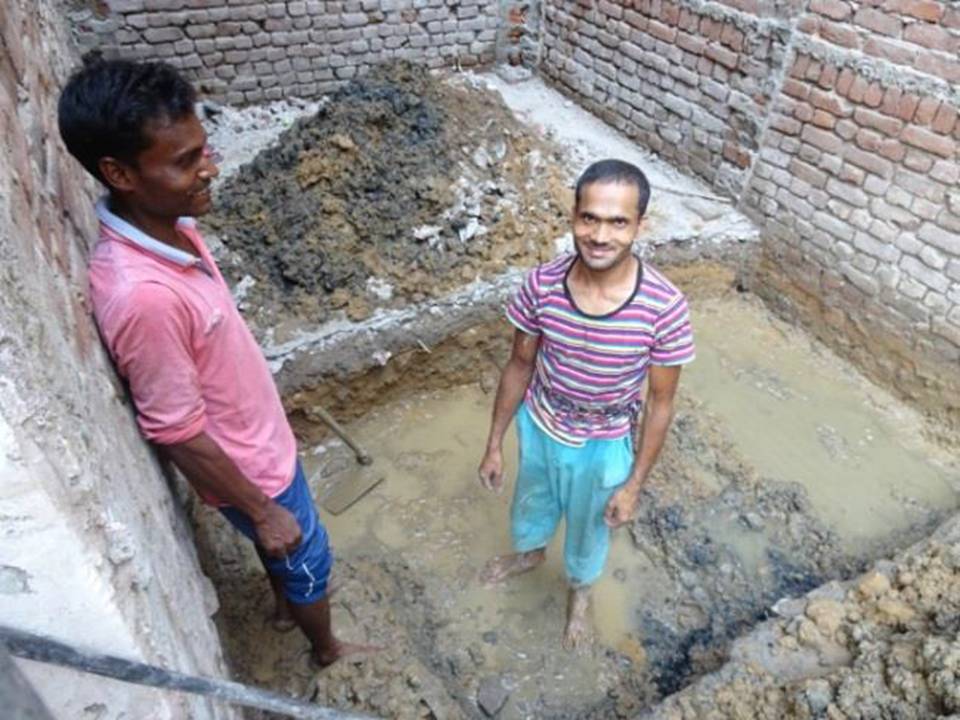
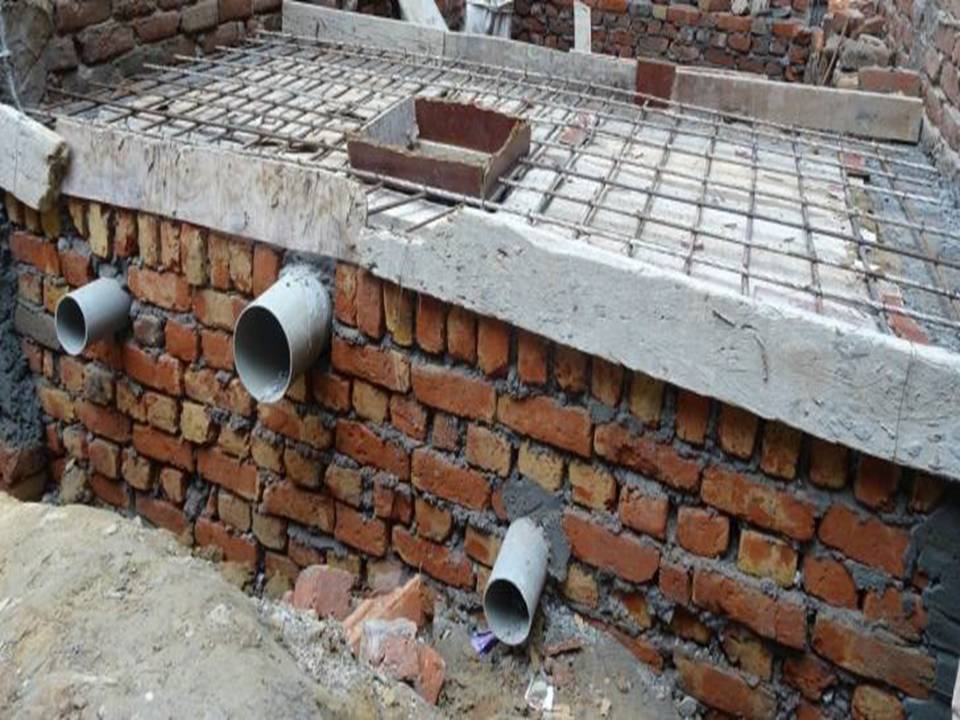
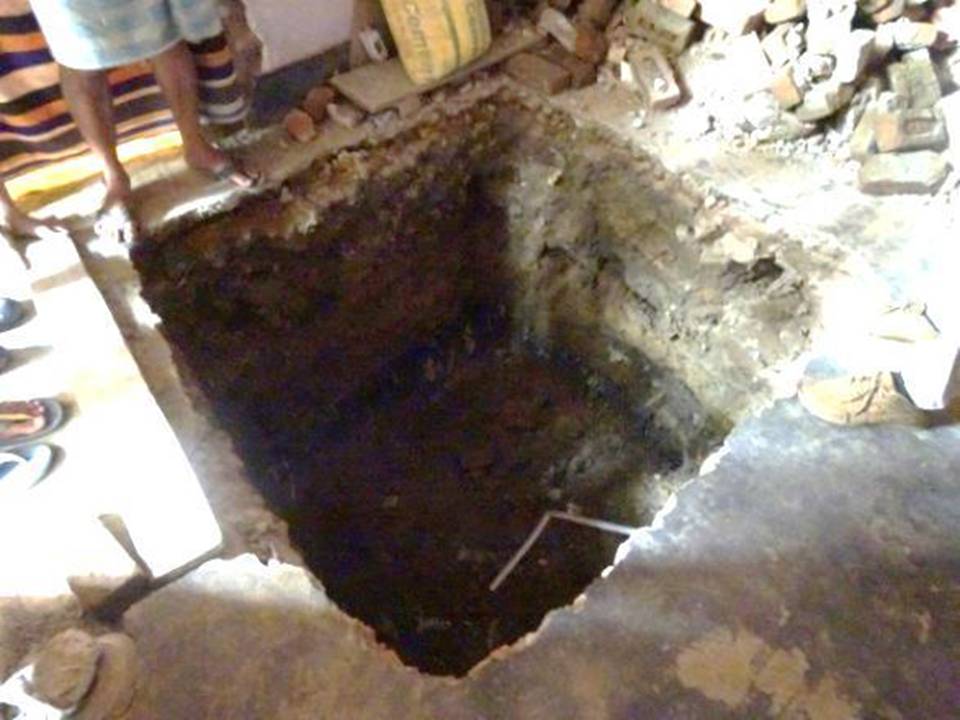
Part of CFAR’s work on fecal sludge management is helping households construct proper septic tanks and twin pits for their toilets, in cases where they do not have access to a sewerage network. We facilitate knowledge transfer to both household owners and masons and provide support at the time of construction. As a result, the households are able to avoid open discharge of feces into the local environment and prevent diseases caused by fecal bacteria. Our overall aim is harm reduction in the community thanks to better sanitation-related practices. Below are two examples of our work on septic tanks with community members in Madanpur Khadar, Delhi.

Story of Sunil Story of Ganesh


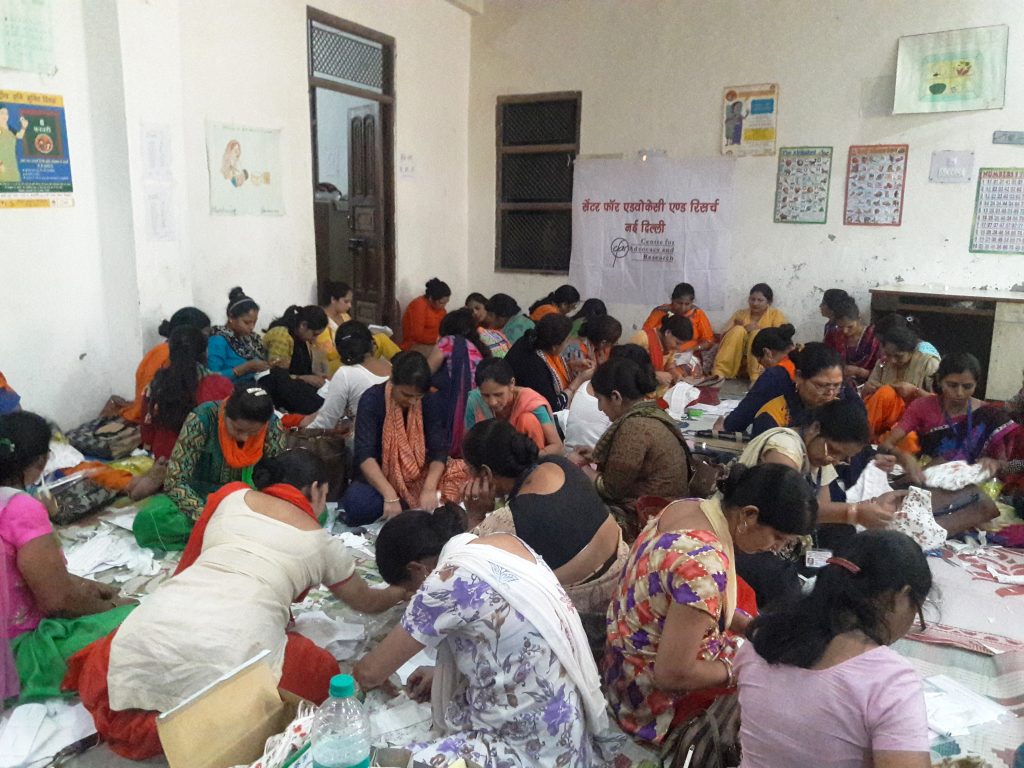
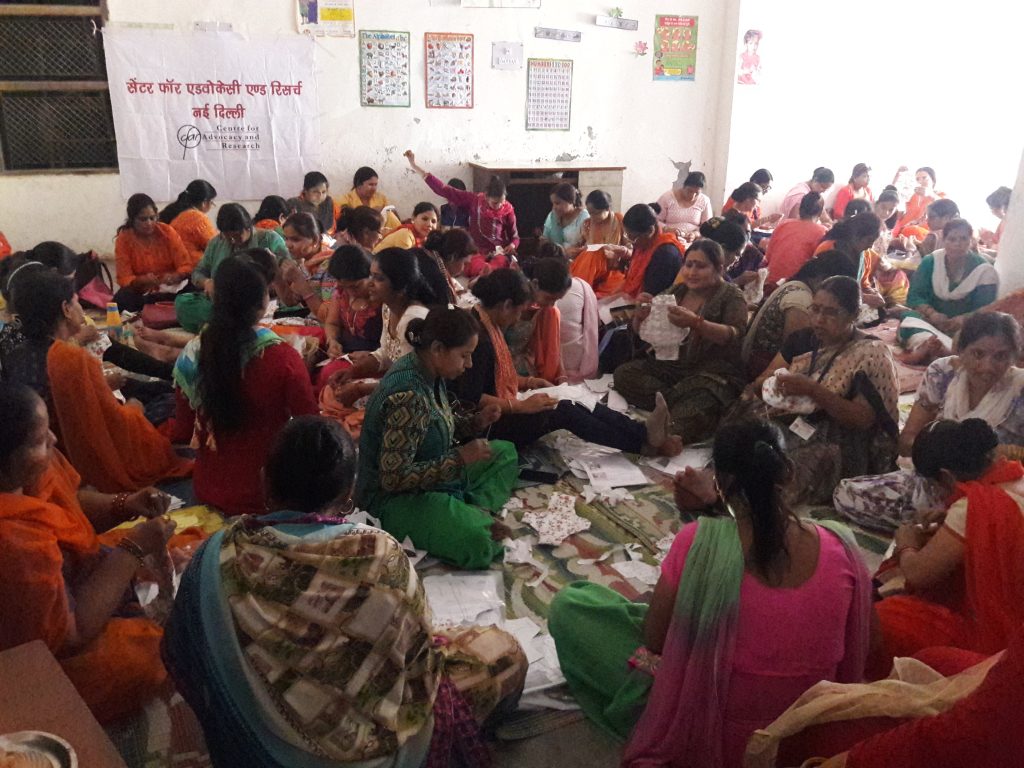
Menstrual Hygiene Management (MHM) Day observed globally

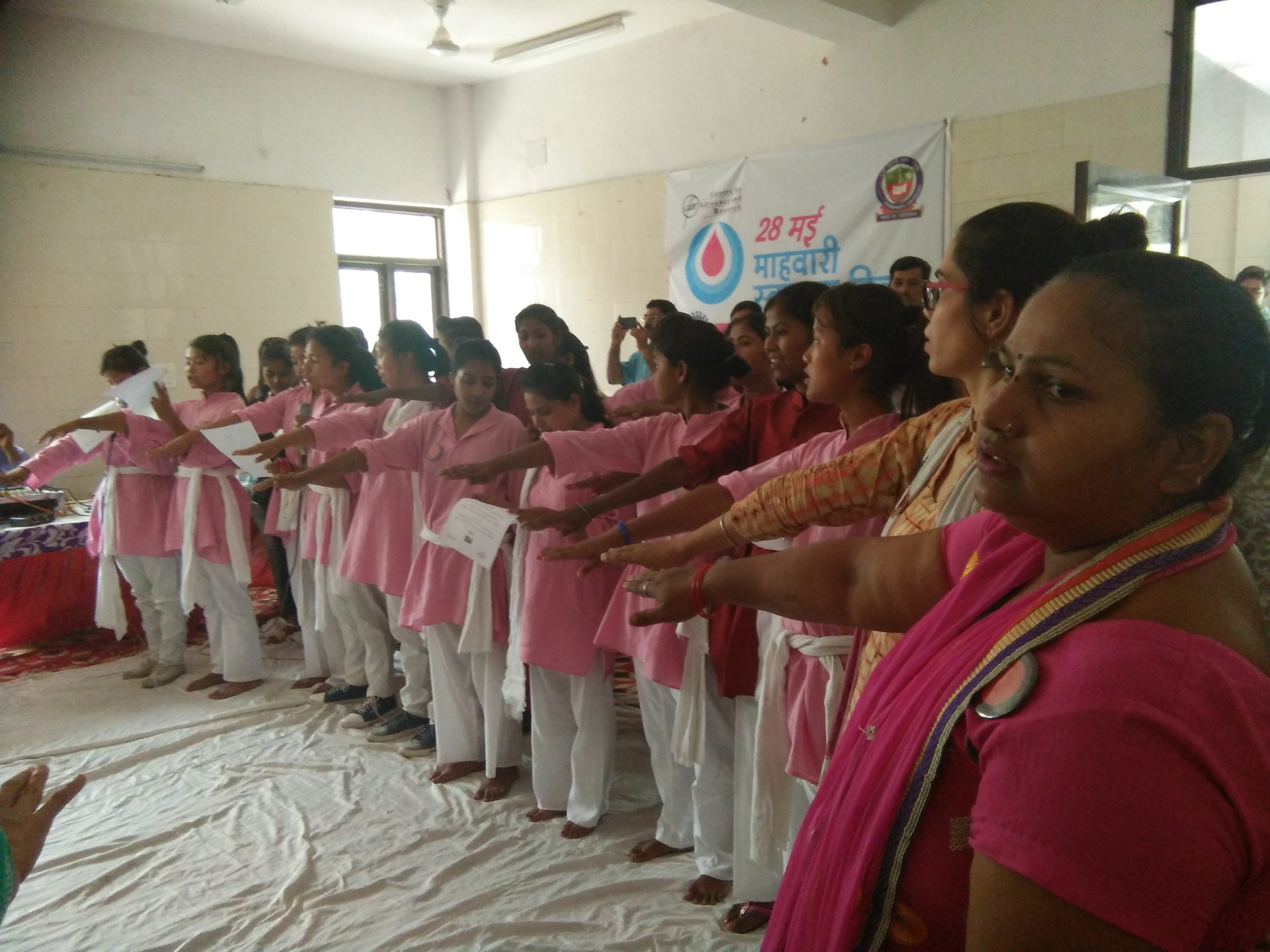
The Menstrual Hygiene Management (MHM) Day, May 28 observed globally, is now providing both a dedicated day and a platform for women and girls from less privileged communities and from across cities to break the deep-seated silence, voice their views and take on all the myths and taboos associated with menstruation

This is best evidenced by Gulashfa and Pratima from Kalyanpuri; they are dead serious about this issue and not only have a view about it but are clear that all others should think about menstruation in a rational manner and normalize it.

With MHM day being observed since 2014, we have been witnessing a sea change in people’s attitude to this issue. Women and girls no longer hesitate to dry their cloth pads in the sun, rather than in dark cowsheds as they had long done, and when they are asked to attended training sessions, they do so without hesitation. Adolescent MHM facilitators are meanwhile advocating for a convergent policy and decisive programmatic framework; with a nodal agency and desks in multiple agencies and government departments; for taking forward initiatives that promote safe and healthy MHM. More recently, the campaign has also been highlighting environmental concerns, especially in poor urban settlements, by asking women and girls to use reusable cloth napkins for both better personal hygiene and reducing menstrual waste.

The credit for this remarkable change in attitudes goes to the multi faceted campaign that has been undertaken by MHM facilitators, women’s forum members, master trainers and partner NGOs to: break the all pervading silence on this issue by openly questioning the rigid traditions and narrow narratives that have long surrounded it. While doing so they have also been strengthening the MHM value chain by providing information on personal hygiene, healthy nutrition, the choice and use of safe products and proper disposal. They have even been engaging with young men and boys because they feel it is imperative for men and boys to understand the issues surrounding MH and support them. A welcome offshoot of these interactions is that many young men and boys have expressed a desire to learn how to stitch napkins.

Various mediums from trainings to street plays are also being initiated to take the campaign forward. For instance, adolescent MHM facilitators, accredited by DM South West Delhi, are reaching out to peers and women in surrounding settlements; advocating with other NGOs and CBOs and working with rag pickers to strengthen their understanding of menstrual waste and how its harmful effects can be reduced by using compostable napkins. And trainings are also being conducted for ICDS workers in North East Delhi on orientation and stitching cloth pads, following a directive by the Women and Child Department.

Observance of Menstrual Hygiene Management (MHM) Day 2018:   

This year, CFAR staffers in various states,  organized a range of activities from consultations and round table discussions on MHM related themes to cultural programmes, trainings in stitching napkins to street plays in th five cities of Delhi, Jaipur, Jodhpur, Kota, Bhubaneswar and Kolkata. More importantly, these events brought together audiences that included senior bureaucrats from the ministries of health, education and environment, partner NGOs, members of women’s forums, men and youth from the community and school children.     

In Delhi, over 200 adolescents, women and men attended on event based on the theme of “Safe MHM-from Behavior to Disposal”, in Block 18 Kalyanpuri; during which members of adolescent forums spoke on various facets of menstrual health and hygiene, from the need to work with men and boys to strengthening efforts to reduce menstrual waste. A street play, “Yeh meri nahi akeli, mahawari har aurat ki saheli”, which highlighted menstruation as a natural process that is important for all women and girls was performed. Four hundred (400) free reusable cloth napkins made by master trainers were also distributed.    

In Rajasthan various events were held in Jaipur, Jodhpur and Kota including discussions on menstrual hygiene and management and a two day training of members of adolescent forums on stitching reusable sanitary napkins.   

Bhubaneswar meanwhile was the venue of a daylong consultation on the theme of “Let’s Naturalize Menstruation” with participants including more than150 adolescent girls from 20 neighboring settlements; as also a round table discussion on the need to find – environment safe and affordable solutions for menstrual waste management. The principle recommendation that emerged from the discussion was that uniform standards and guidelines be put in place for currently available menstrual waste management technologies, like composting pits and eco-friendly incinerators, so that they meet the standards set by the State Pollution Control Board.

In Kolkata the day began with a dance performance titled “Beauty of Red” followed by a discussion on the theme of “No More Limits: Empowering women and girls through good menstrual hygiene”, in collaboration with Rajpur Sonapur Municipality. The focus of the event was on the need to make menstruation a non-issue and create platforms to promote good menstrual hygiene for women and girls.
 

World Environment Day

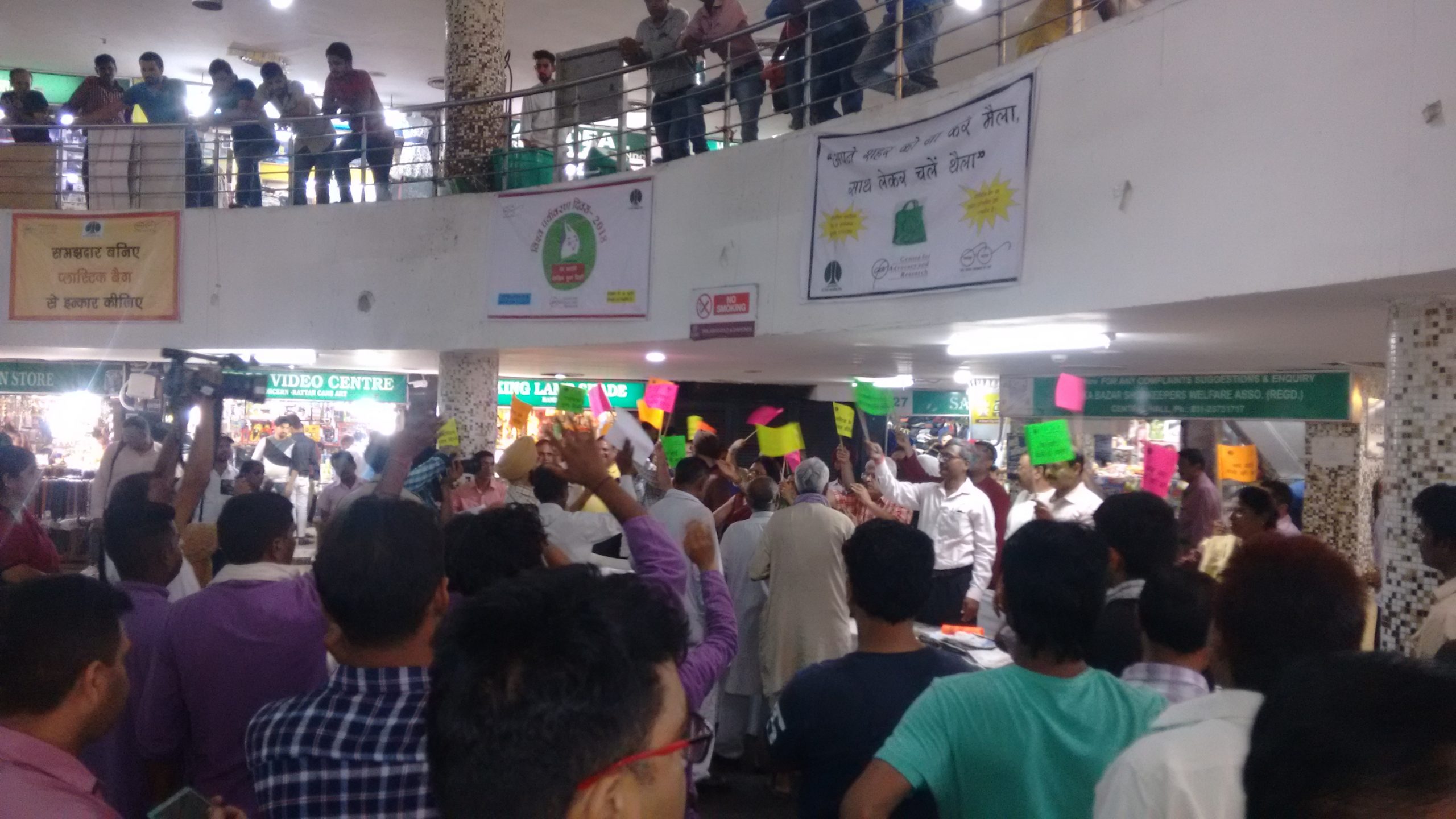
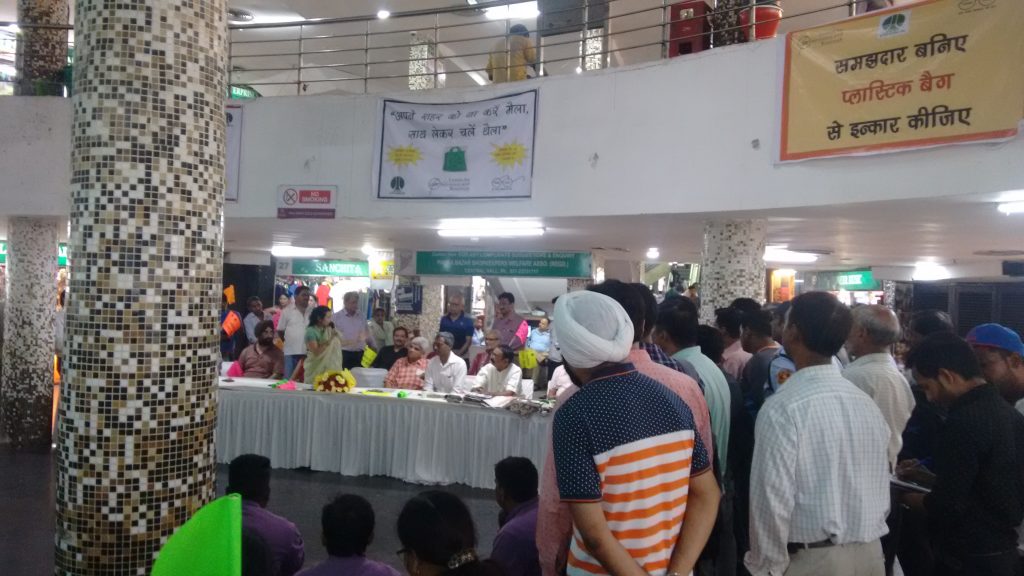
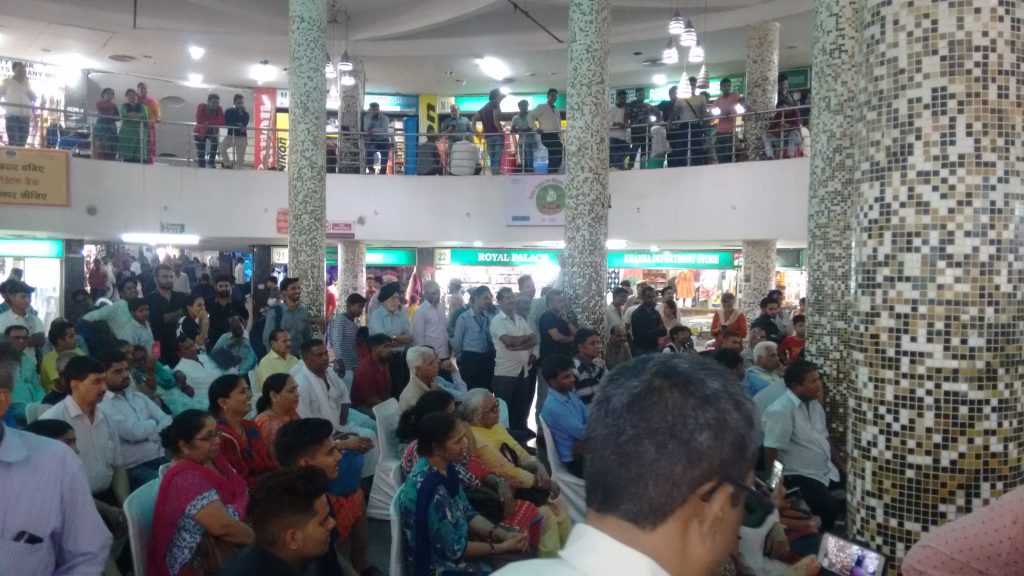
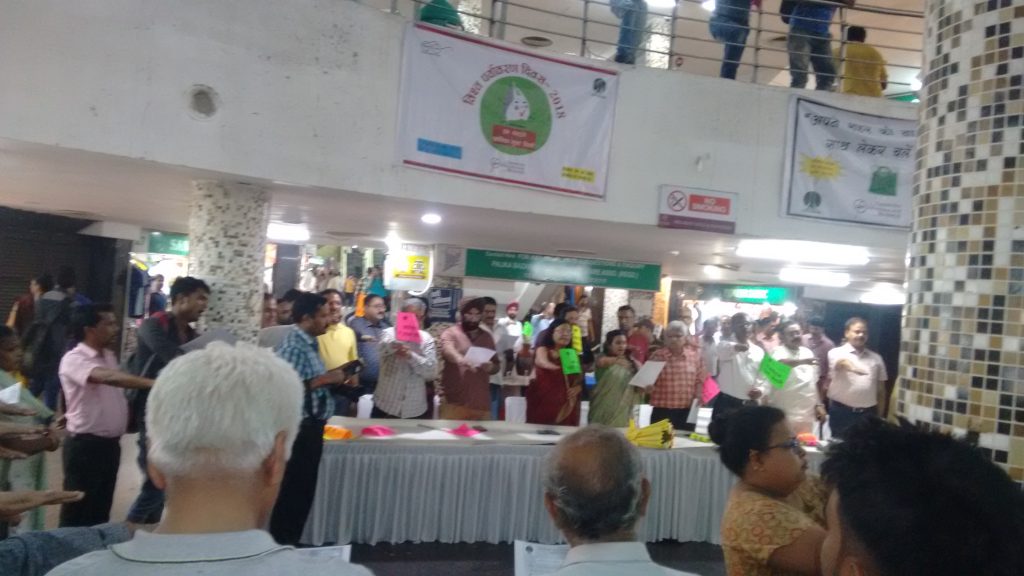
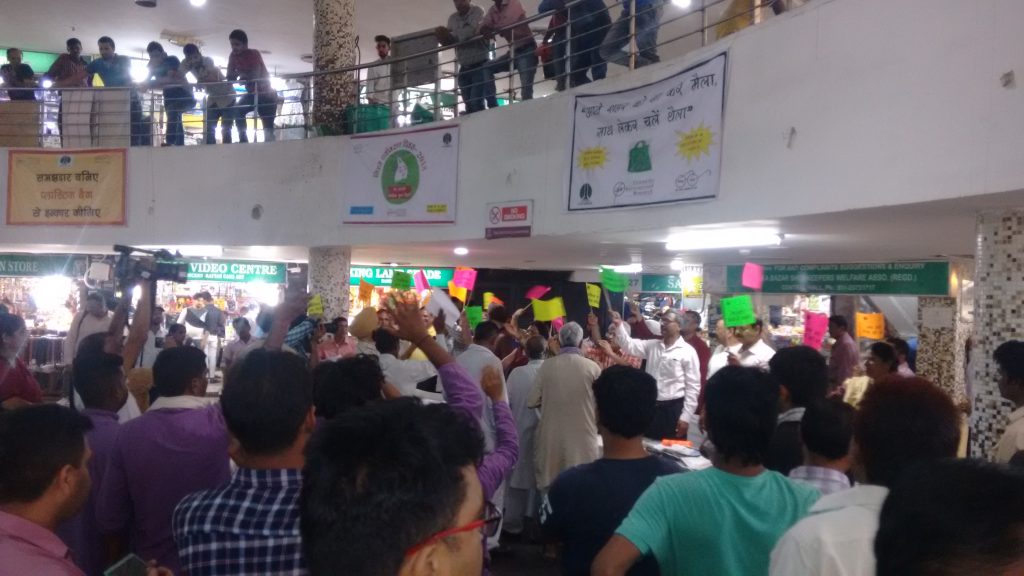
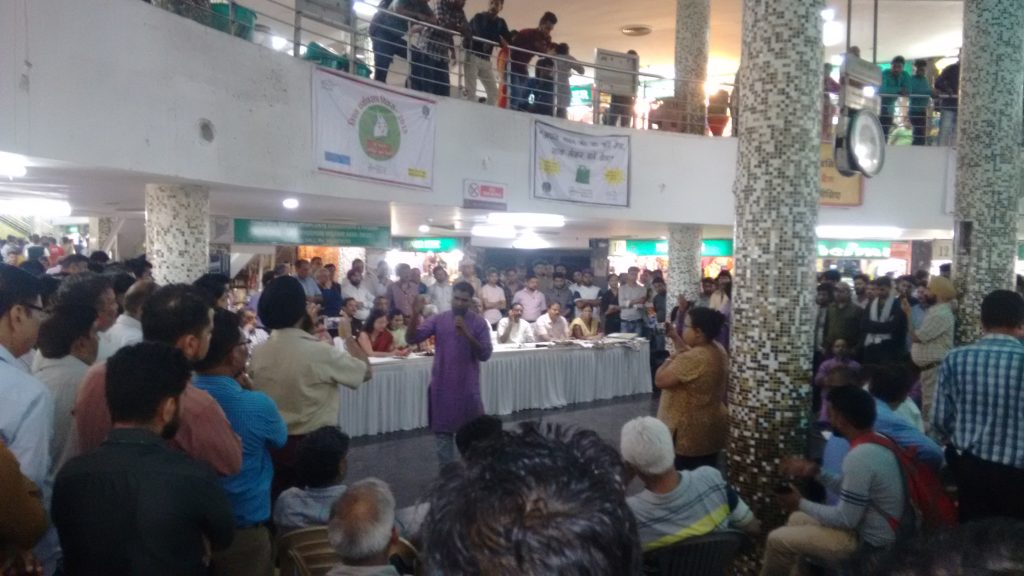
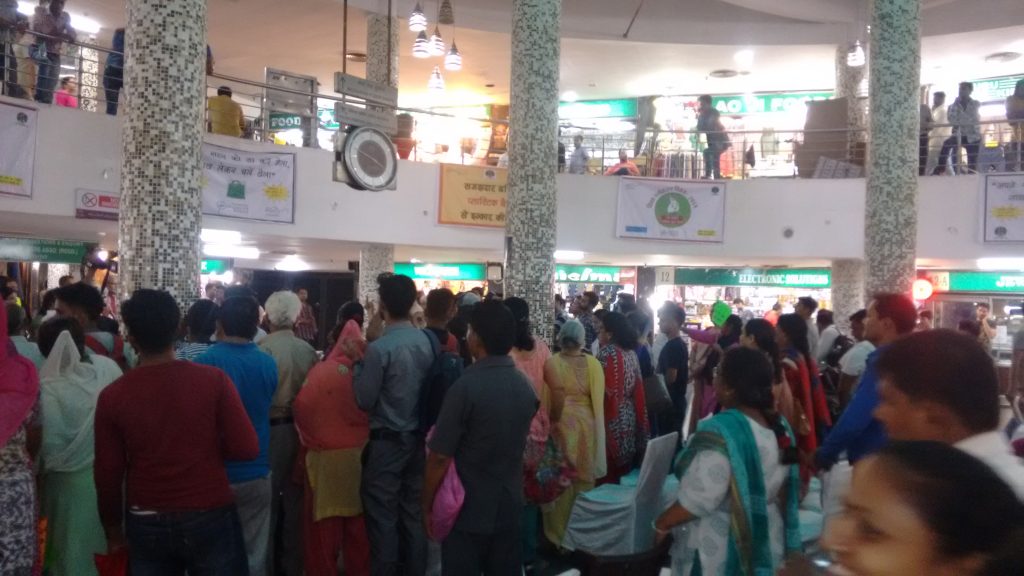
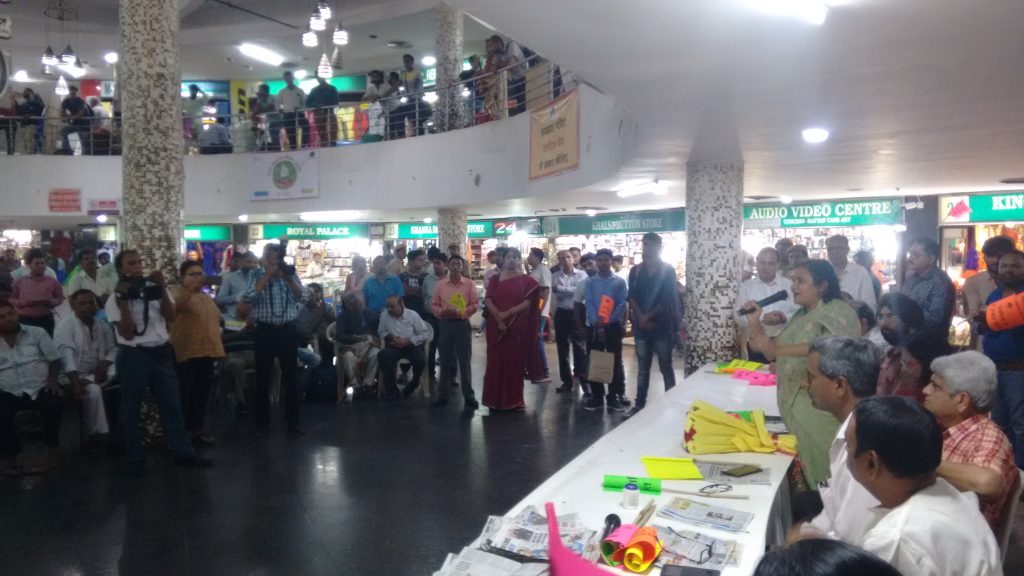
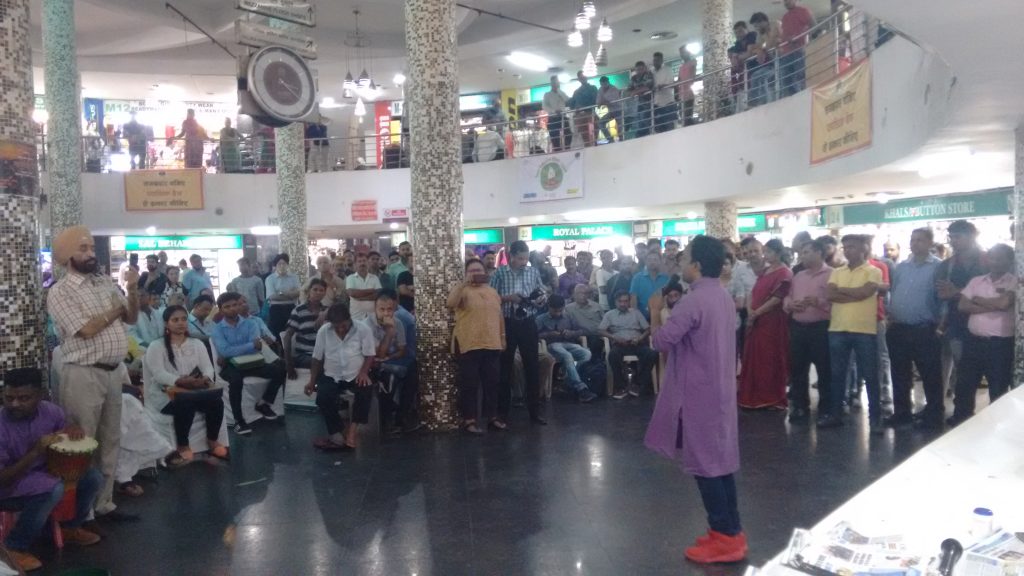
On the occasion of World Environment Day on June 5th, New Delhi Municipal Council (NDMC) launched a decisive campaign to phase out usage of plastic bags under 50 microns in Palika Bazar market in Connaught Place.

Dr. Ramesh Kumar, NDMC Chief Medical Officer: “This campaign is being done to comply with the National Green Tribunal order that all plastic bags below 50 microns are banned, and anyone carrying such bags will be fined. Plastic bags are very harmful to the environment, causing pollution and water logging, which leads to mosquito breeding and diseases like dengue. It is important that we raise shopkeepers’ and customers’ awareness of this problem and motivate them to use other types of bags, like cloth and jute bags. We also need to provide low-cost alternatives to polyethane bags for shopkeepers. We will make sure that this program is not a one-day campaign, but rather a continuous endeavour that results in drastic reduction of plastic bag usage.”

Ms. Rashmi Singh, Secretary, NDMC: “Shopkeepers used to be proud to be a part of Palika Bazar – let’s bring back that pride by saying no to plastic bags. We have to consider our behavior and reduce plastic bag usage in order to save the environment. We are buying plastic bags, using them, and throwing them out, without thinking about the negative impact this practice is having. Let us stop using plastic bags, not only because it is the law, but also because it is beneficial for us and our community.”

Mr. Baljeet Singh Kohli, Chairperson, Palika Bazar Shopkeepers’ Welfare Association: “I pledge that within 3-4 months, we will make this market a plastic free zone.”

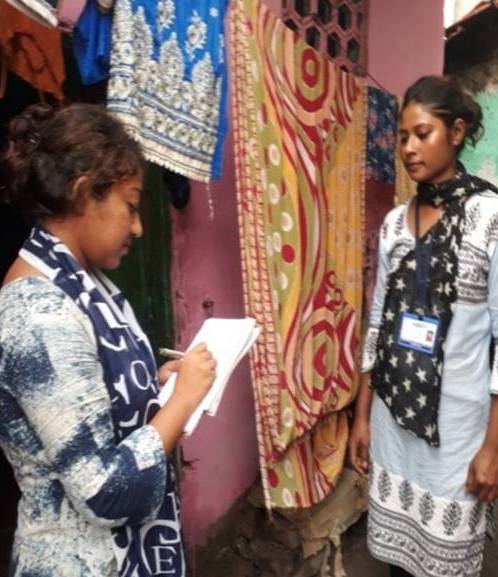
According to a survey conducted by Centre for Advocacy Research (CFAR) NGO, in partnership with NDMC, nearly three-quarters of the 400 shops in Palika Bazar are giving polyethane bags to customers. That equates to around 7000 plastic bags distributed daily in the market. CFAR volunteers did a campaign shop-to-shop in the market to gauge shopkeepers’ demand for bags and their willingness to switch to non-plastic bags.

Imran, CFAR volunteer: “I am proud to be part of this campaign to phase out plastic bag usage. In my community in Badarpur, we are drinking dirty water due to lack of proper waste management. I want to do my bit to make sure the plastic waste issue gets resolved and our environment does not continue to get polluted. I enjoyed discussing the campaign with shopkeepers; most supported the initiative, though a few were skeptical about the ban.”

Mr. P.C. Duggl, Palika Bazar (King Lamp Shades) shopkeeper: “I used to give polyethane bags, but when I found out they were bad for the environment, I switched to cloth bags. They are also of better quality, and customers appreciate how they look. In general, I try to avoid giving any bag, instead wrapping the item in newspaper, but if the customer insists, I give a cloth bag. I think other shopkeepers should start following this practice, even though cloth bags are a little more expensive. It is necessary for not only this marketplace, but also for the entire nation.”

To kickstart the campaign, NDMC is providing free cloth bags to Palika Bazar vendors. The campaign will continue over the following months, with NGO network partners such as CFAR promoting cloth bags as an alternative to polyethane.

NDMC launches campaign to make New Delhi plastic-free- Millennium Post, June 5, 2018


Community woman became a member of Sanitation Task Force


Mumtaz Khatun, a 24 years old woman of Ward-59 under Park Circus, has played a significant role in keeping her community clean and mobilizing the community to sustain the initiative. She had a deep desire to change the environment in which she had grown up. During her growing years she had continually witnessed the filthy environment and the contribution of not only her neighbours but also her own parents to make it worse day by day. Through her own personal experiences and by observing others, she keenly felt the need to spread awareness among her neighbours and at the same time she knew nobody would heed her words.  ‘I live in a very congested slum but a few steps ahead there are many multi-storied building with a shiny look which infuriates me. I dreamt of having such an environment for my community.

“One day I was talking with my friends in front of my house when a woman came up and requested me to attend a discussion. I was curious to know what she would say and attended the meeting. That was the real beginning of the fulfillment of my childhood desire to live in a clean environment. I found a platform to reflect, learn, lead and take bold initiatives and resolve to steer my life in a direction that would create change my community”.

She continued; “I became a regular participant of the meeting and also started sharing my learning with neighbours. In workshops people from other settlements shared their on-field experiences, from which I became inspired to work for the betterment of my settlement. It takes just a few days to built confidence within me to call for a meeting in absence of CFAR. Initially I started discussion with my friends and their parents. Many times it was one to one interaction. I have also taken initiative to cleanliness campaign and have been able to involve our parents.”

As a member of Community Management Committee (CMC) she played an important role to gather community, doing exercise on identifying sanitation related issues, resolve the issues that can be done by the community itself, managing the services, and demanding better services from service providers.

As she shared- “I have so many memories. the first day when I led the community for sanitation campaign..the first day when I along with my neighbors went to the Corporation and submitted the application requesting for de-silting of drains.. the day of Public Hearing when I demanded for a community latrine in front of so many people and delegates and have been applauded by my community. But the day when Councilor invited me to attend a planning meeting and recognized me along with two others as a member of Sanitation Task Force was the best one. It was beyond my imagination that one day I would be given such a huge responsibility.”

“As a member of task force we have been given responsibility to ensure better sanitation services and managing existing sanitation facilities throughout the ward with active support of CMC members. We are using basic guaranteed tool to make the Task Force participatory. We are thankful to councillor and ward committee members for extending their full cooperation to this process. We are conducting monthly review meetings and take stock of overall sanitation situation in the ward. Till date we conducted two such review meetings. Prior to the onset of the monsoon we organized a cleanliness drive across the ward, at four different spots. We also ensured regular cleaning of Community Toilet and waste collection at door step as well as from the waste collection enclosure.

 “As a CMC member I have learnt a lot of things not only from CFAR Didi but also from community. Whenever I discussed something in the community I get really useful opinions and views which I didn’t consider before.”- she said.

The story of Mamtaz Kahtun is just one example of how women are weaving the social fabric and strengthening the community participation alongside their amazing ownership development.


Strengthening the Right to Education among Urban Poor Communities

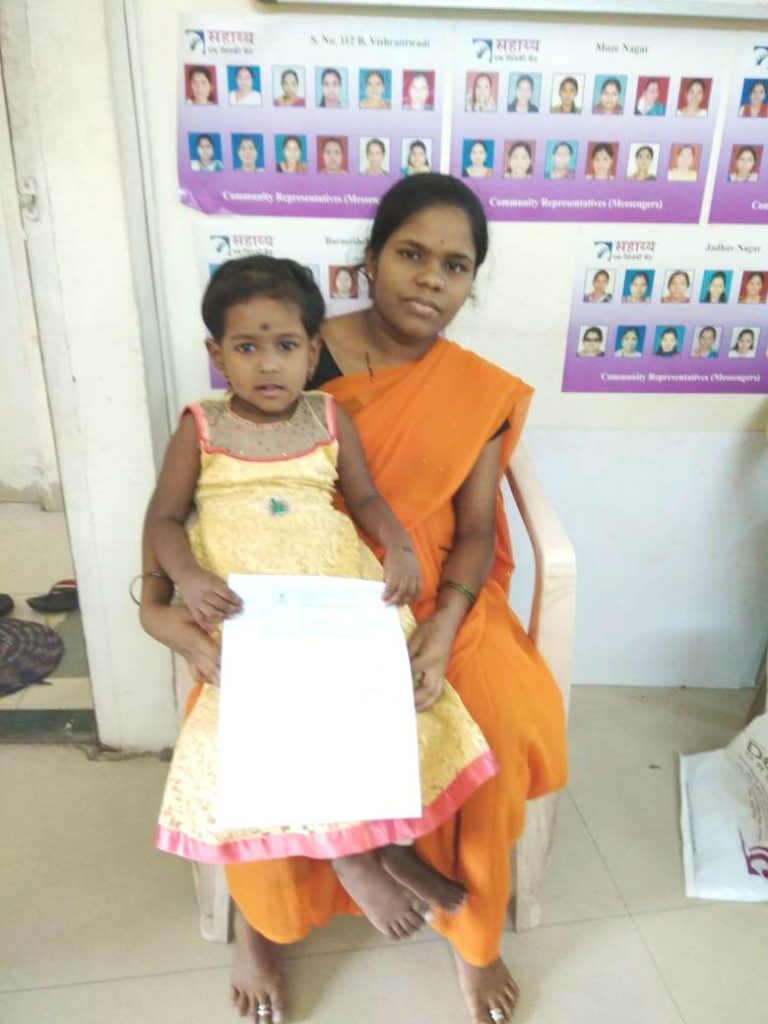
Since February 2018, Kantabai Dhende has been informing women on the right to free admission, under the Right to Education (RTE) Act. She has been doing this with the support of community messengers like Mahananda Bhalerao, Ujjawala Kamble, Priyanka Gavli, Chhaya Kasbe and Surekha Vanjare, who are working on building awareness on RTE in Visharantwadi and Yerwada areas of Pune.

Fifty eight year old Kantabai Dhende is a resident of 112 B Vishratwadi. Her husband is a carpenter and she runs a small grocery shop out of her house. She has two daughters, who are married and living separately in their marital homes.

She was working with the Department of Social Development, of the Pune Municipal Corporation from 1999, as a Residential Community Volunteers (RCV). In this capacity she engaged in doing community development work for urban poor women, children in since then their settlements. In November 2015, she joined Sahaya Single Window as a community messenger and has been focusing on educating community members on various household security schemes.

When asked about the work she is doing, Kantabai spoke of a time when, “there was no one to help us when we needed it. Our children studied in nearby government schools and we had no time to pay attention to their education. We used to send them to school till they reached 8-10 standards after which we would find employment for them in some small job or business. There was never enough to think big. But now, RTE is providing the community with an opportunity to enroll their children in good schools with support from Sahaya Single Window.”

Kantabai and her team have also been emphasizing on the importance of education among other community members because as she added, “if we are able to get admission for our children in good schools from the onset, it can ensure great start for their future.”

Enrolled in the Single Window Camp

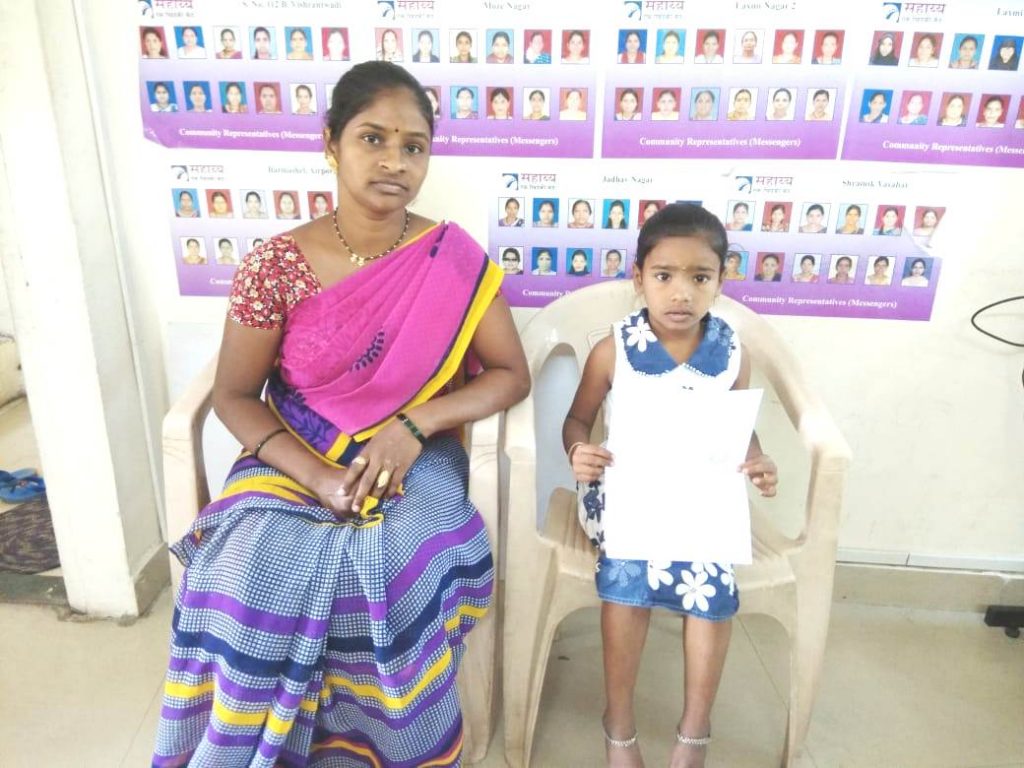
Community led Sahaya Single Window, in collaboration with the Department of Social Development, Pune Corporation and CFAR, have enrolled 17 under the Right to Education in preprimary schools.

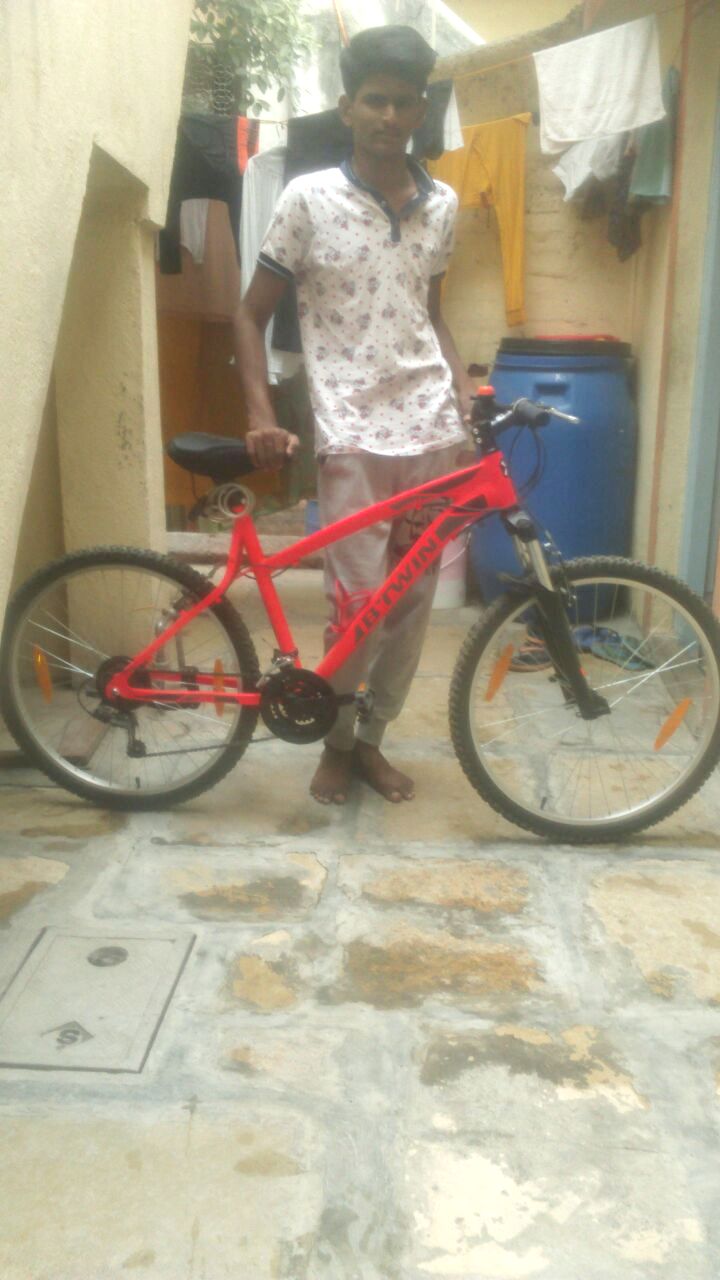
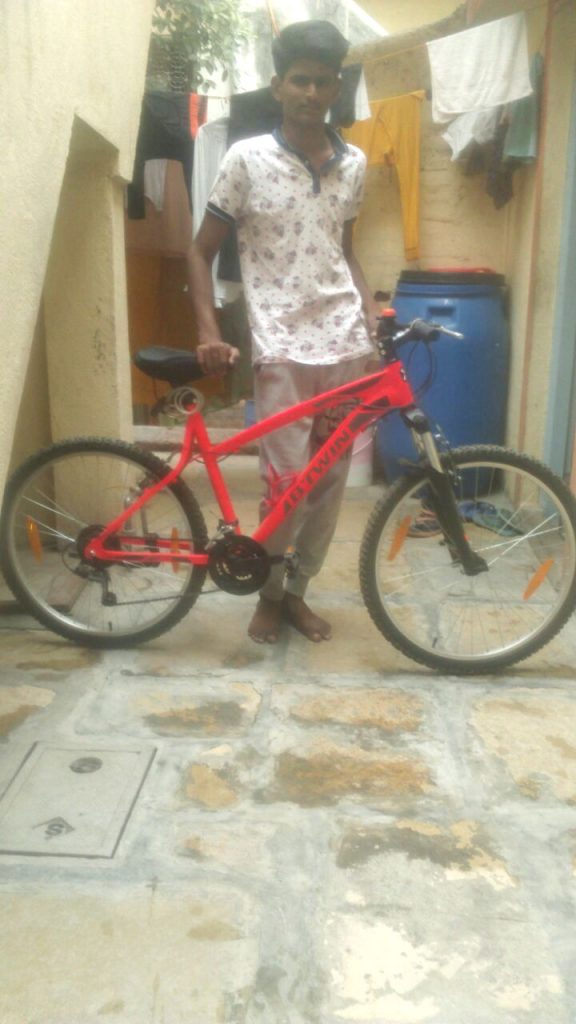
Meanwhile, 22 children have benefitted from the financial support scheme, of the Department of Social Development of Pune Municipal Corporation, under which they have received Rs. 10,000/- to buy new bicycles.

Actual benefited 

Total 15 children got admission for pre primary education in reputed Schools, on an average the school fees are 15 to 30 thousand rupees per year.

Total 17 school going children were benefited with the financial assistance scheme of Rs. 10,000/- to buy a new bicycle.


GENDER FORUM-In Anantapur

Ms. Battulla, 50 years, Buddappa Nagar

“I am a house wife. I run a small business out of my home, while my husband works for the LPG Gas Company.  We have three children – two sons and a daughter. I have been a member of my SHG for the last 13 years. After becoming a member of the Gender Forum I am able to support the community, in the settlement, to maintain good sanitation.

“Earlier, when we had problems we were only talking to PH Workers or complaining to our Corporator when there was a problem with street lights and water supply because we thought he was responsible for providing us with such services. But now we know who to approach and we are able to talk to senior officials by submitting petitions, as per the procedure. Recently, we initiated the process of providing IHHLs to the Shikari community. As of now three IHHLs have been sanctioned. A letter was also sent regarding street lights and they were fixed in two days. Now we have organized a door to door campaign in the settlement on solid waste management. I am happy to see the change in the settlement”.

Gender Forum Members and Community participating in a meeting on sanitation and health on March 8, 2018

In Anantapur, CFAR is partnering with the Centre for Study, Science, Technology and Policy (CSTEP), under the Inter-sectionality-Informed Gender Mainstreaming Framework (IIGMF) project in water, sanitation and hygiene (WSH). CSTEP is a non-profit organization which aims at science and technology enabled policy options for inclusive and equitable economic growth.

Under this project seven Gender Forums (GFs) have been constituted in seven settlements with approximately 25 core groups and 35 facilitators, who have been drawn from the community. As of March 31, 2018 GFs have collected 603 sanitation related complaints and resolved 575 problems with the support of ULB and Gender Resource Centre (GRC) across the seven settlements. The complaints are mainly filed through Pura Seva App and written petitions but some deal directly with the ULB and ground team.

GF members organized six (6) slum level meetings between January 14, 2018 and February 22, 2018 and a door-to-door campaign on solid waste management, at Navodaya Colony, on February 25, 2018. They also organized for the first time a meeting that brought together women, girls, Transgender, elderly and persons with disability, at Azad Nagar, on March 8, 2018 on the occasion of International Women’s Day to explore the relationship between different aspects and identities within gender and how sanitation was impacting them. One of the issues that was discussed by the community and health officials was that of Menstrual Hygiene Management (MHM).


Menstrual Hygiene Management: The Delhi Story

“My mother told me to stay away from boys when I started having periods for the first time. No one talks about it and as a result I don’t know what is right from wrong. I only know that I have to stay away from many things during those 4-5 days that I bleed every month.”   (Muskan, 18 years, Rajasthani Camp)

Menstruation, the most natural process for many women and adolescents across the globe, remains the most secretive subject ever inflicting severe indignity upon millions of women and girls, violating their basics of human rights. The stigma around menstruation and menstrual hygiene is a violation of their bodily integrity, health and privacy, the right to freedom of mobility and it reinforces gender inequities and exclusion. The worst is the serious lack of facilities and appropriate sanitary products pushing the menstruating girls to health hazards, including temporary and sometimes permanent dropping out from schools.

No work on sanitation is complete without addressing the menstrual health and hygiene needs of  women and in our endeavor to establish a sustainable sanitation value chain we have been engaging with  menstruating-age women across geographies to ensure that they not only have access to hygienic menstrual practices  but also to safe and bio-degradable disposal of menstrual waste.

This is best reflected by Rama, Member of the Women’s Forum, Babar Pur who said: “We need to start talking about menstruation and address the inherent taboos and stereotypes to reduce violence against women.”

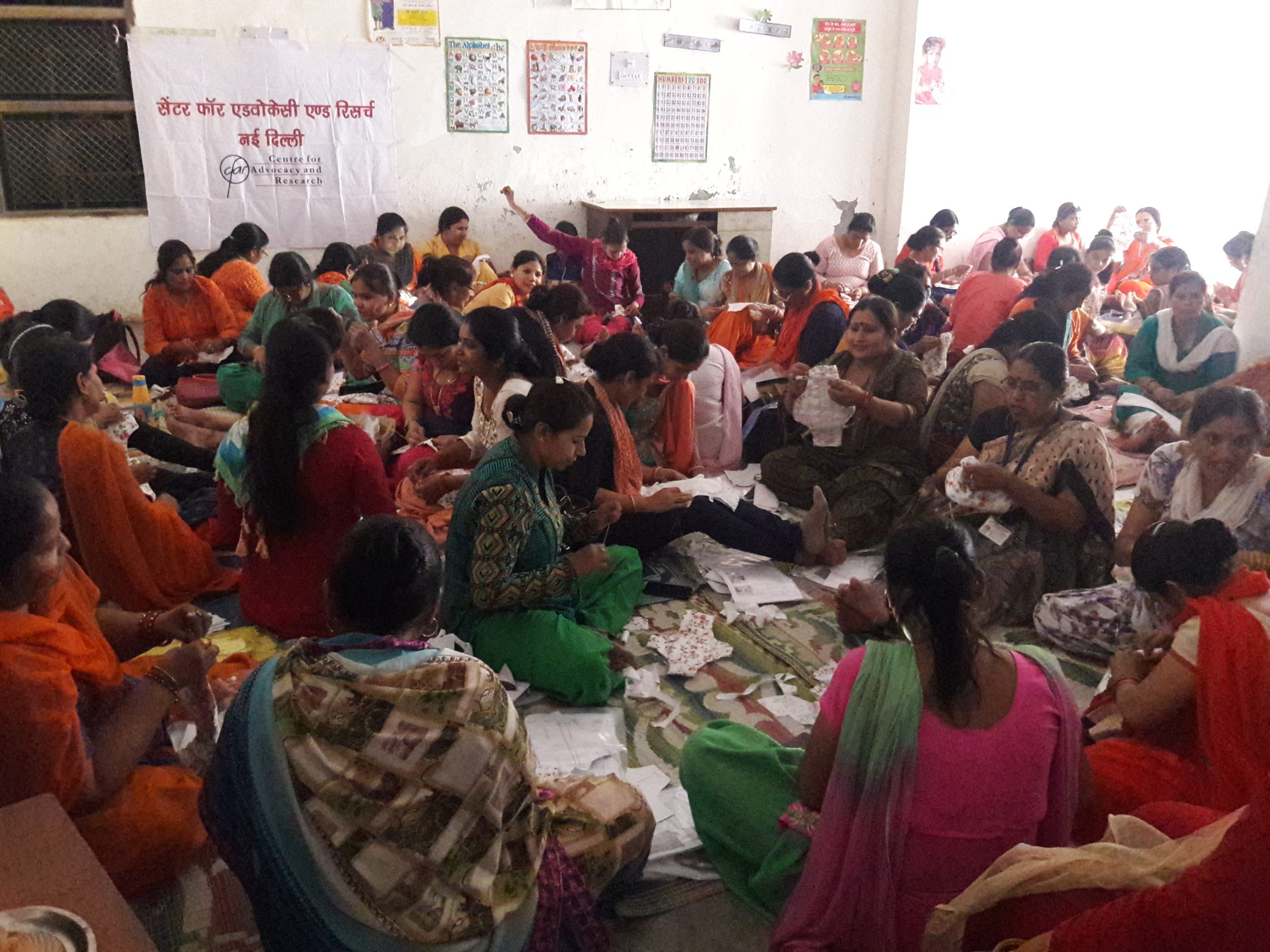
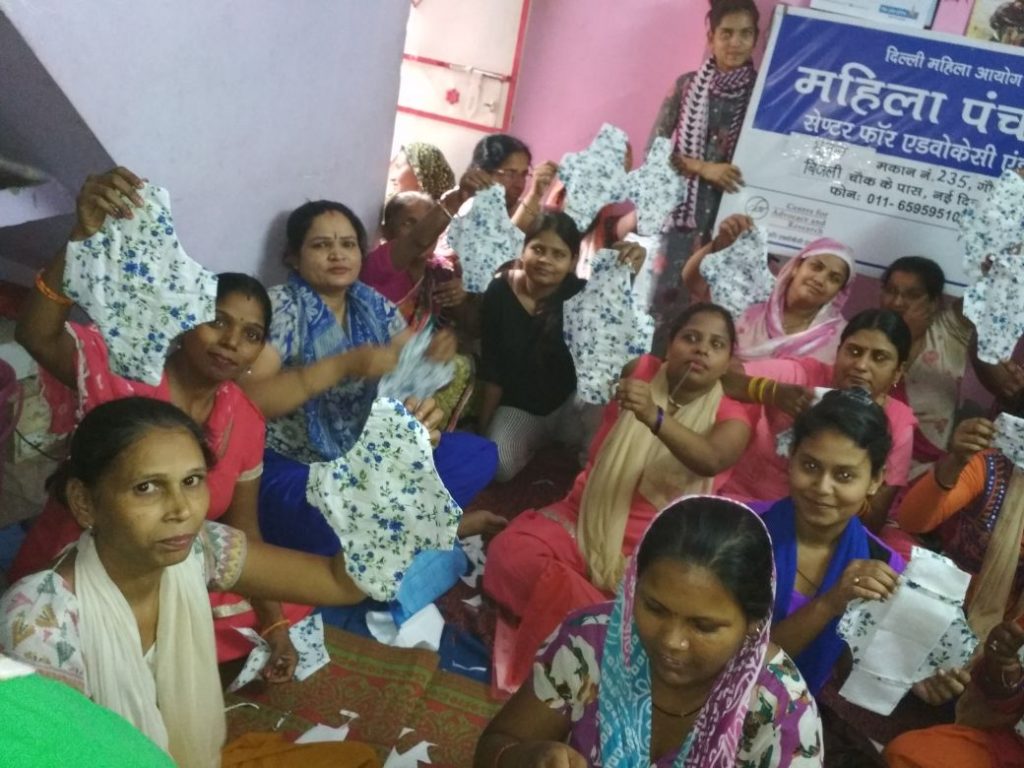
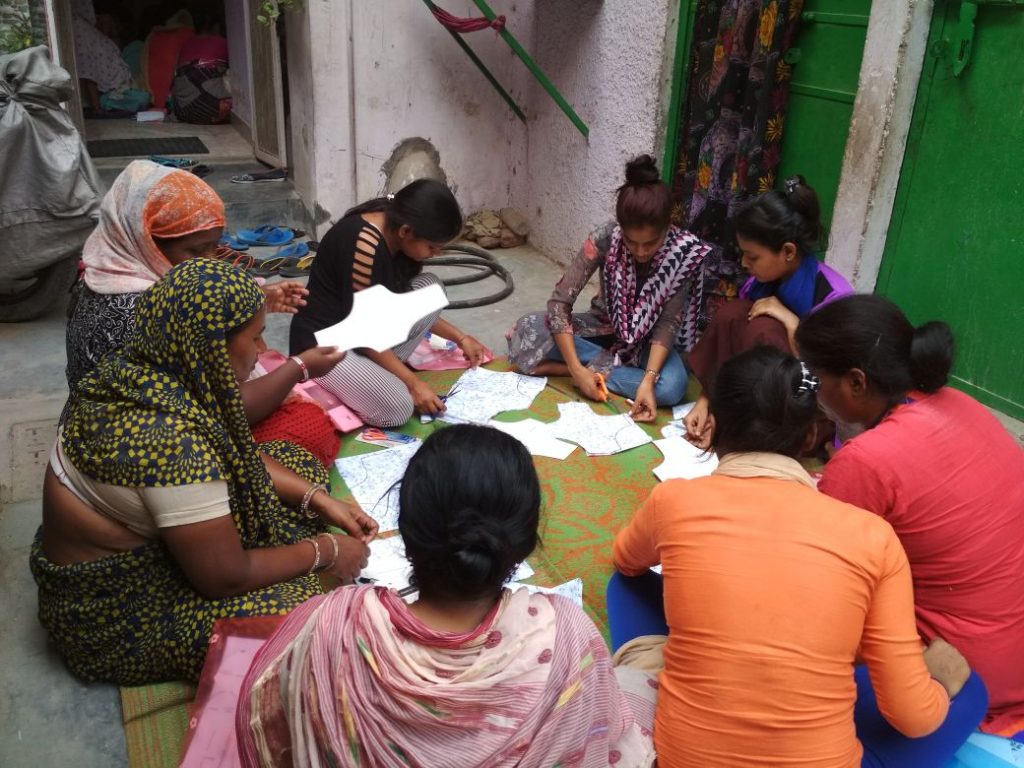
In Delhi, the Forums of Young People or Adolescents and Women’s Forums supported by the Centre for Advocacy and Research (CFAR) have reached out to 474 adolescents and 882 women across 73 settlements; 150 college going students; 232 ICDS workers across 168 ICDS centers and have conducted several training sessions on re-useable cloth pads- ‘Uger’- the new beginning which has been designed and developed by an NGO in Udaipur. Along with skilling women to make their own re-usable cloth pads, sessions on general and specific hygiene related knowledge and awareness are also shared and deliberated on with the trainees. At present we have 53 master trainers across our intervention areas in Delhi, who are not only training women and young adolescents in their own settlements but are also training officials, teachers, students and NGO partners.

Speaking about this, Manju, a trainee from Gautampuri said: “Many of us still can’t talk about menstruation openly and are tied by age old rituals and practices. I am very happy to break out of this mould and undergo the training and I will now be very careful about my health and hygiene and will also inform others with right information.”

Therefore, the intervention on Menstrual Hygiene Management (MHM) in urban poor settlements is a multi-pronged initiative. It is as much about  responding to increasing need and interest among women and young girls to know all about menstruation- breaking  silence, managing health and hygiene, reducing menstrual  waste, challenging the existing myths and practices. Also recognize that while sanitary napkin is a symbol of hope and aspiration, young women in these urban poor settlements realize that there some salient choices to be made. It is in this spirit, they came forward to find alternative to conventional sanitary napkins that are increasing the burden of environmental waste and showed interest in being trained for making their own reusable and biodegradable sanitary napkins. These trainings in many ways are also opening up potential livelihood opportunities for the economically vulnerable women.

The Department of Women and Child Development (DWCD) is collaborating with and supportive of the effort and in fact, requesting the master trainers to train the ICDS workers on the technique of making Uger cloth pad. We have been also invited by SDM, South West District, to train women on Uger napkin making.  It is encouraging to get support from all concerned and see young women benefitting from the training and developing innovative solutions.

This was stated aptly by Rekha, ICDS Worker, Sadatpur Bhajanpura, who said that: “I knew that the sanitary napkins we buy cannot be recycled and pollutes the environment. Now Uger napkin will solve the  problem and will also cost much less as we can now re-use the sanitary pad.”

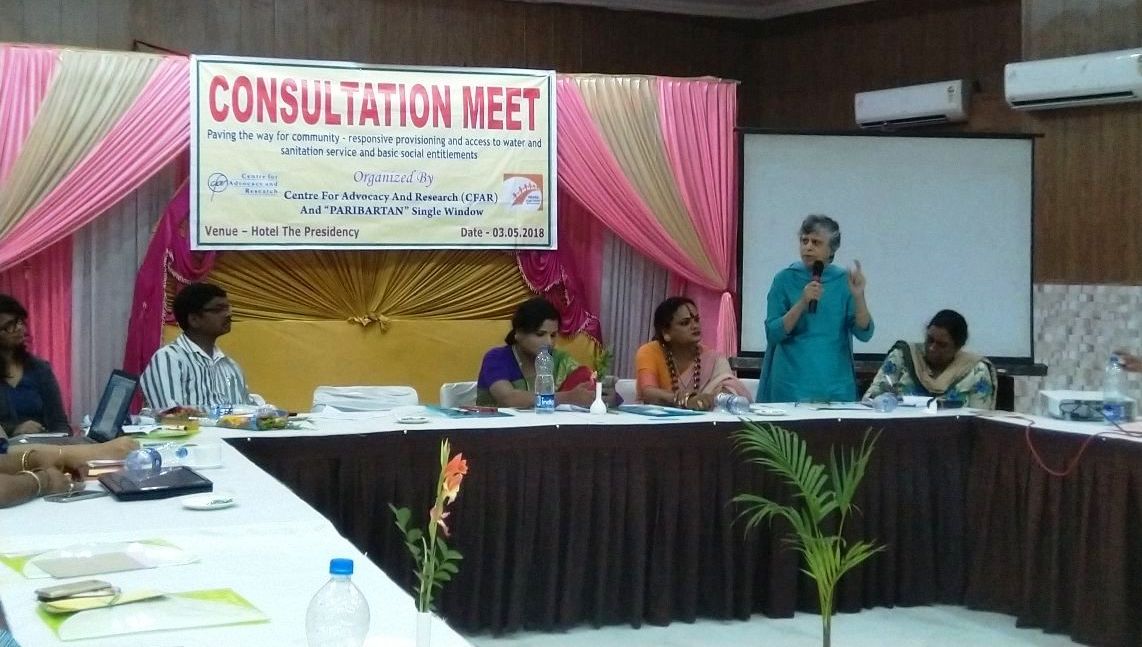
Stakeholder Consultation on Gender Equality and Social Inclusion (GESI) for Persons with Disabilities and Transgender- Bhubaneswar

A day long consultation meeting with networks and government officials was held on May 3, 2018 in Bhubaneswar to ensure universal access to water, sanitation and hygiene for all vulnerable and marginal persons and groups such as transgender persons and those living with disabilities and to develop a community-centric vision and a comprehensive understanding of the needs and entitlements of marginal communities, recognizing the barriers and challenges they face. More than 100 participants joined the consultation to discuss various issues of stigma and exclusion. 

In this consultation, the officials mandated specific recommendation for a synergized solution addressing the needs of the vulnerable as expressed by strong community voices.

Stakeholder Commitments:

Mr. Saroj Sahoo-engineer, BMC, committed to incorporate suggestions/feedback of the community prior to installation of any facilities and service provision like water ATM/Water kiosk. He also committed to re-installation of water ATM points in locations easily accessible to the community.

Mr. Subhransu Mishra, Dy Commissioner, NZ, BMC ensured that BMC would extend all possible support towards enumerating and bringing together the VMPGs and integrate them under various available schemes and provisions. He committed for installation of five water Kiosk facilities especially for the TG community in various parts of the city. He further stated that, application submitted through the mini Single Window “PARIBARTAN” will be fast tracked and the issues would be resolved immediately not only for the VMPGs but also for their families.

Mr. Madhausmita Nayak, Deputy Secretary SSEPD, handed over a tri-cycle to the Mr. K.  Behera, one of disabled persons and expressed full support to the community and also suggested other departments to come forward and support the VMPGs.

Voices from the Ground:

Ms. Surati Moharana, Maa Mangal Basti, highlighted the challenge of accessing water ATM facility even though she has a water ATM card. She said, “Though we have the provision of collecting 10 liters of drinking water per day using the water ATM card, we hardly use the facility as the water ATM point is half a kilometer away from home and it is nearly impossible to carry water from such a distance every day.”

Mx. Neha Kinnar and Mx. Menaka, Vanivihar Basti, requested officials to provide for toilet facility and water connection in the settlement with storage facility.

Mr. Sukanta Behera, a person with disability demanded for “disabled friendly housing, water and sanitation facilities.” 

Mx. Meera Parida and Mx. Sadhana said, “Paribartan has given us confidence to scale up the mini single window in all the 30 districts of Odisha to integrate the VMPGs into various available service and provisions.” The officials supported the mandate.

The consultation was an important event as it not only brought the VMPGs and the officials in one common platform but it created an enabling environment to discuss various concerns of the marginalized communities and also to decide a common consensus for mainstreaming the excluded communities.


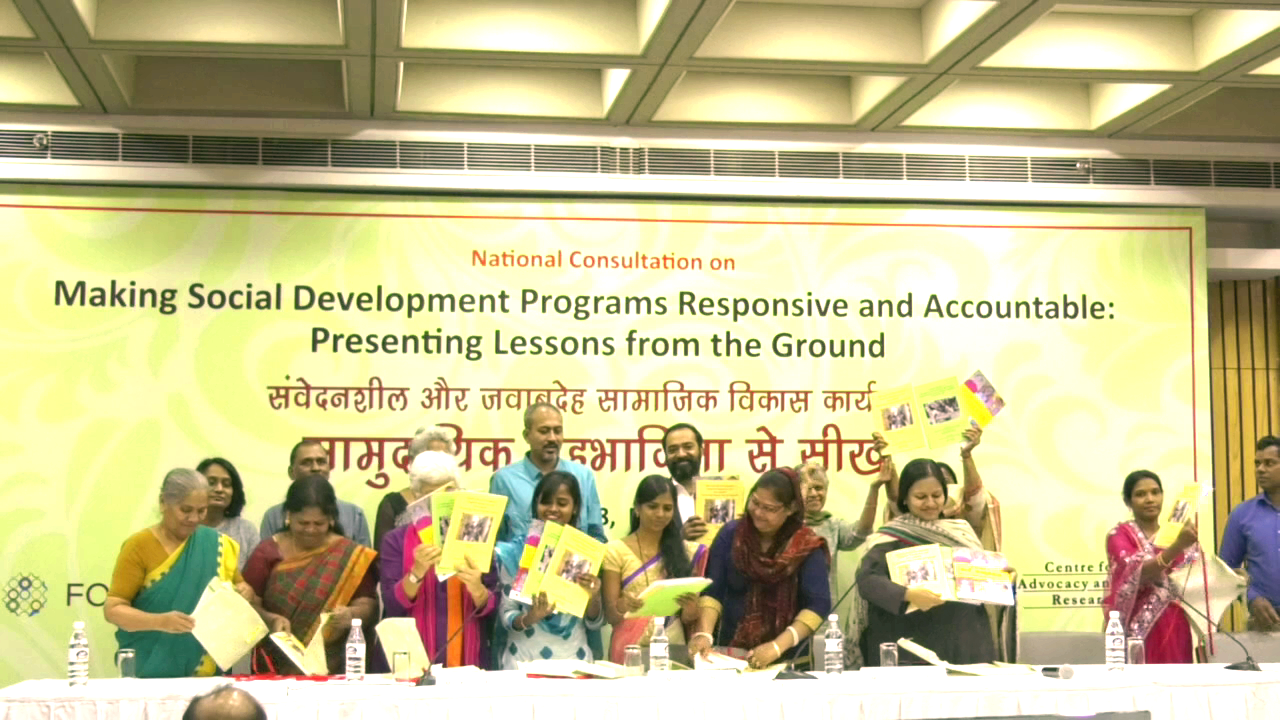
National Consultation on Making Social Development Programs Responsive and Accountable: Presenting Lessons from the Ground

Since 2013, community leadership in Delhi, Jaipur, Pune, Kolkata, Bhubaneshwar and Bangalore spearheaded community-centric social accountability program, Strengthening Social Accountability Process by Catalyzing Community Involvement across Six Cities.

The community and in particular women’s involvement is evident in these:

“Since 2014, the Women’s Forum had addressed more than 15 cases of domestic violence and actively stopped 28 child marriages in different settlements in Jaipur.”– Anju Pandey, Jaipur

“Daksh Samuh(CBO) has won several awards and competitions in Pune, wecompelled the men to recognize us as representatives of the slum rehabilitation committee and this has enabled us to monitor and ensure the just implementation of slum rehabilitation schemes in our settlements.”– Neeta Tupare (CBO), from Pune

“We not only help in reaching out to those most in need but also provide timely and concerted support to all concerned stakeholders, thereby enabling them to do everything possible to deliver the schemes.” -Vimla, Founder of Mahila Pragati Manch (MPM).

Across cities, the efforts ranged from understanding exclusion to mapping gaps to enabling increased quality access to various government programs, schemes and entitlements. These programmes include basic services related to right to food, right to education, child care, and social security. Supported by the Ford Foundation, the program evolved processes and strengthened mechanisms for community responsive delivery and enhanced voice, agency and involvement of marginal communities.

The work ranged from legal and social protection, strengthening women’s leadership, addressing domestic violence and child marriage, and building purposeful relationships with various stakeholders to ensure better implementation of programmes.

It was not easy as the women had to address and overcome many structural and systemic barriers, some of it successfully, while others continue to be a challenge. They made diligent efforts to partner with all stakeholders, in particular all city authorities, to ensure timely delivery of services and enable the officials to become more responsive and respectful of community priorities. This also meant intensive efforts to build their own collective understanding and capacities about the many complex and multi-dimensional issues.

Having had such meaningful experiences in diverse geographies, it was now time to hear their story, revisit their journey and collectively work to take the process forward.

To this end, a Consultation was organized on April 25, 2018 bring together community representatives, officials, school principalsand teachers from Delhi, Jaipur, Kolkata, Bhubaneswar, Bangalore and PuneThe consultation was unique as it gave each of them an opportunity to revisit their experiences and reflect on what was done and what could have been done better and ended on a high note and determination to continue the struggle with the same level of conviction and passion.


Community Led E -Mitra – Basti Sewa Kendras in District Ajmer, Rajasthan

Background

E-Mitra platforms of e-governance to provide quick and convenient delivery of services to citizens was initiated by the Government of Rajasthan in 2004. Currently, over 492 Government to Citizens (G2C) and Business to Citizens (B2C) services are being provided through these platforms, across rural and urban areas in all 33 districts of the State and new services are being systematically added to its fold. E-Mitras finds its origin in the Sanskrit word, Mitra (fe«k) meaning ‘Friend’.

 Objectives of E-Mitras

– To provide a wide range of services of various government and private organizations in a citizen-friendly manner under one roof, so that citizens are saved the inconvenience of having to make repeated visits to Government offices; despite which they do not get benefit of the schemes.

– Empower women by providing them business opportunities and generate employment opportunities for people up to the grassroots level.

How the community led E-Mitra function

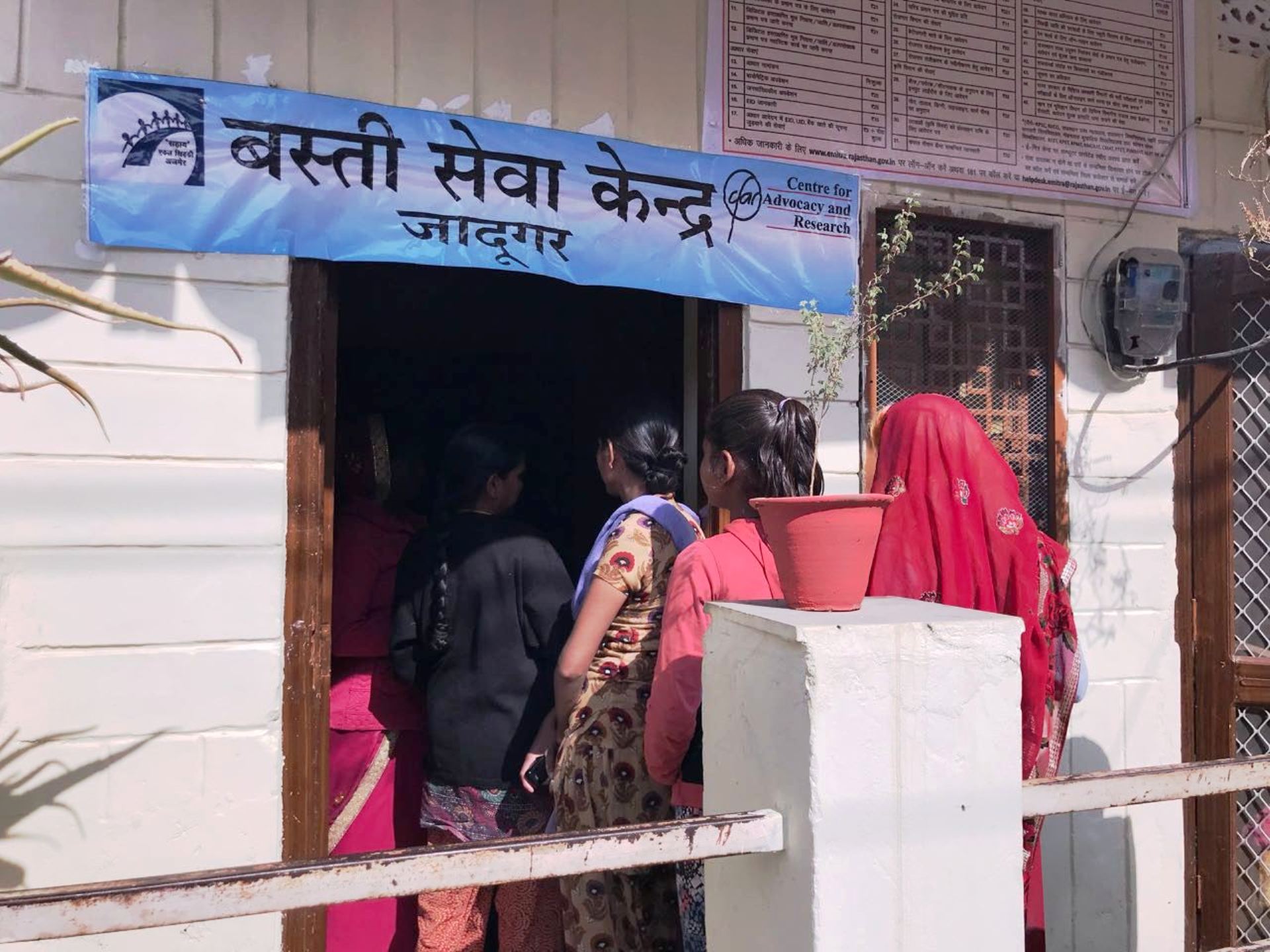
Deepa Sankhla and Deepshikha Salotery, in Nagfani and Jadugar Nagar settlements of Ajmer very well illustrate how the E Miras which has been named by them as ‘Basti Sewa Kendras’ can function successfully. The two young women are from the local community and operate with the support of 12 community volunteers. Their initiative emerged from their involvement in the day to day activities of the Sahaya Single Window, supported by the Centre for Advocacy and Research (CFAR). The volunteers from the two settlements include Hemlata, Chanda, Sameena, Tanuja, Pinki, Rekha, Parvati, Dhaneshwari, Krishna, Lajwanti, Bhawana, Rekha and Anjulata.

This group of women had come together and formed a Community Based Organization (CBO) in November 2017. They named it “Akshara”. As part of their effort to sustain and take forward their CBO, they took on the responsibility of facilitating the management of the two Basti Sewa Kendras on a daily basis. Their responsibilities include identifying beneficiaries, filling forms, ensuring that they are completed properly and submitting them to the online E-Mitras portal. They also conduct awareness activities and hold knowledge camps on the welfare schemes, with support from the Sahaya Single Window team.

The group of women also maintains records and documents, including a walk-in register, cash book, application receipt registers and a copy of token/receipts. The operational issues and challenges that come up every day for community members are also noted in separate registers. The technical issues are resolved fortnightly by the team of technical experts from local service providers (LSPs) designated by the Department of Information, Technology and Communication, Ajmer.

Both the community representatives, Deepa Sankhla and Deepshikha Salotery, were trained by officials of the Department of Information, Technology and Communication, Ajmer and Digital Empowerment Foundation, Delhi. Through E-Mitras they are providing the services on daily basis of online submission of applications of pension, Labor card, new ration card, corrections in ration card, new Bhamashah cards and corrections and also filing online grievances of ration.

Sharing her experience, 31 years old, Meera Devi from Jadugar basti getting her Jannai Shishu Suraksha yojna(JSSY) benefit, ‘I easily got the course correction in my Bhamasah card as required for getting the benefit directly in my bank account with the support of team of Basti Sewa Kendra providing services at our door step’.

Maya Devi, 42 years old, from Gulab Badi basti, despite of being a single woman applied three times for pension but got rejected, as volunteers approached her, application was submitted through the Jadugar Basti Kendra, the sanction message she has got last week, she is so happy to share that.

Subscribe To Newsletter

Pleace enter your email and get news updete for donation company.