• Welcome to CFAR

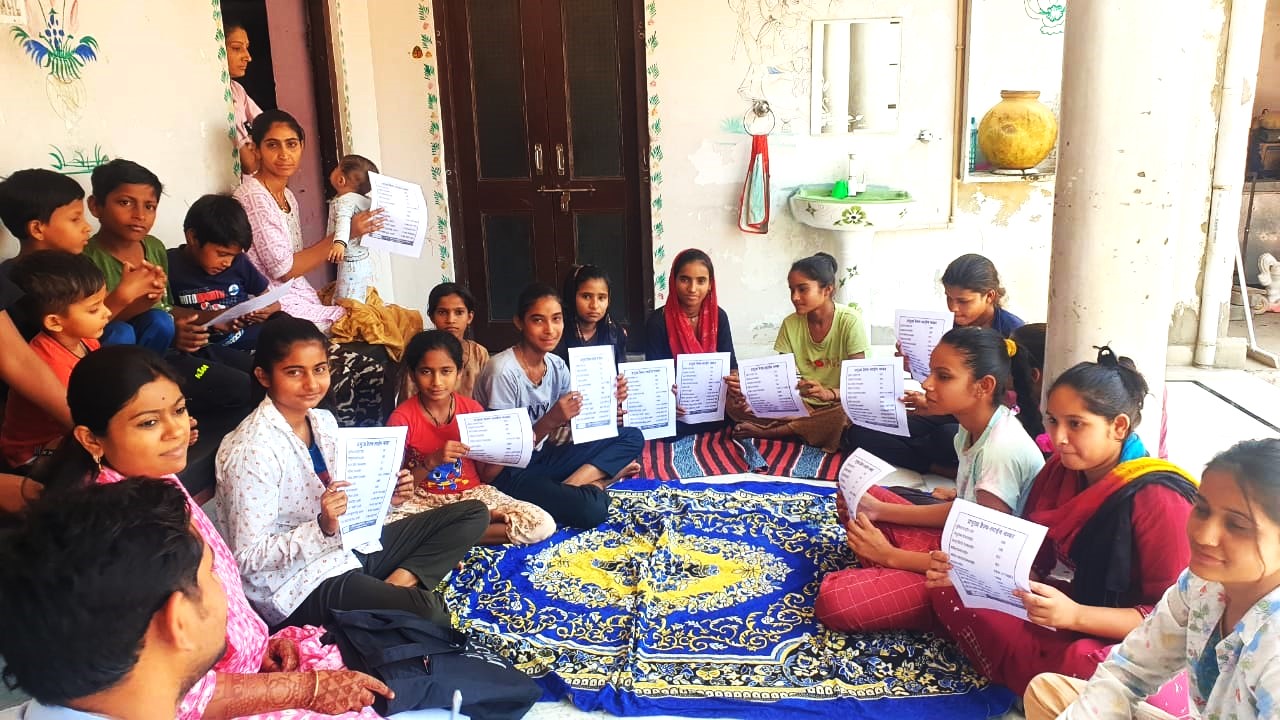
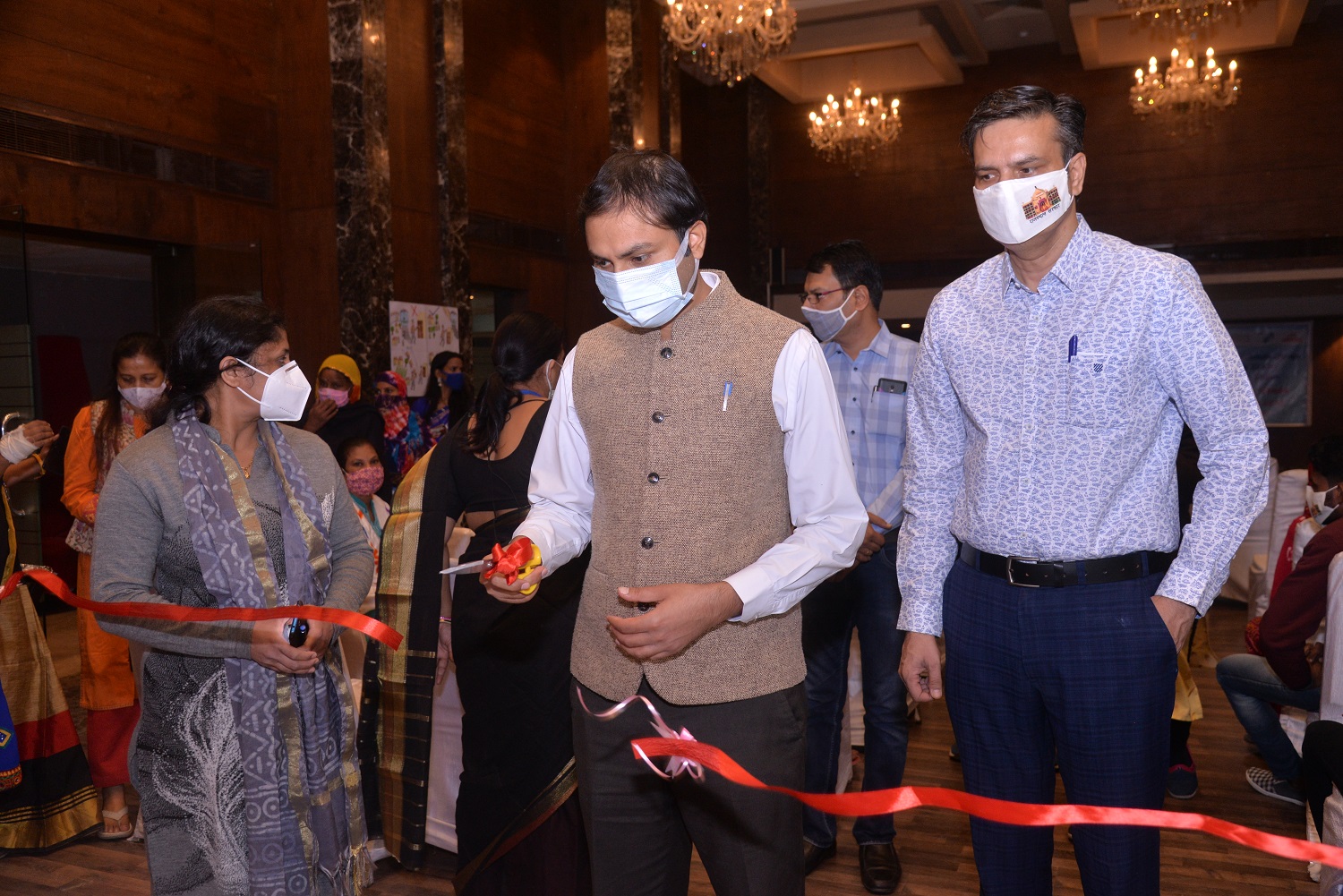
The District Magistrate (South, Delhi) felicitated CFAR for establishing six Self Help Groups for domestic workers and registering them under the National Urban Livelihood Mission. Proud moment as our Helpdesk & Single Window Forum members received certificate of appreciation from the Women and Child Development Department at the Khishori Mela. CFAR was recognized as the best NGO partner for empowering urban poor communities with health & nutrition services. On the occasion of the 14th National Voters' Day, the District Collector of Ajmer, in collaboration with the District Election Office Ajmer, felicitated CFAR. CFAR received recognition in the "Best NGO" category for its commendable efforts in motivating and facilitating diverse community groups to register themselves as voters of the nation.

VOICE FOR THE VOICELESS

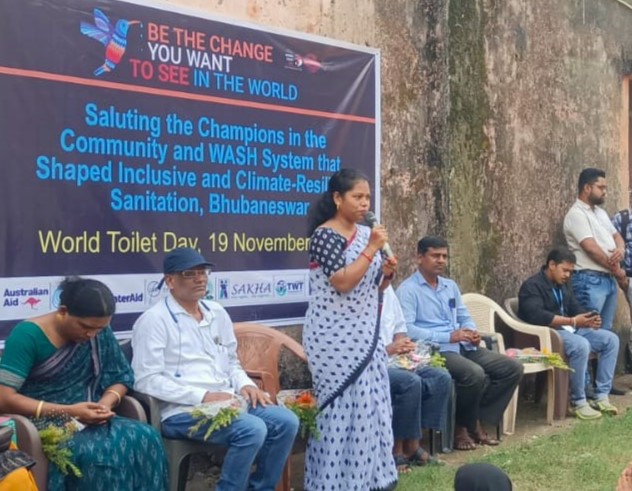
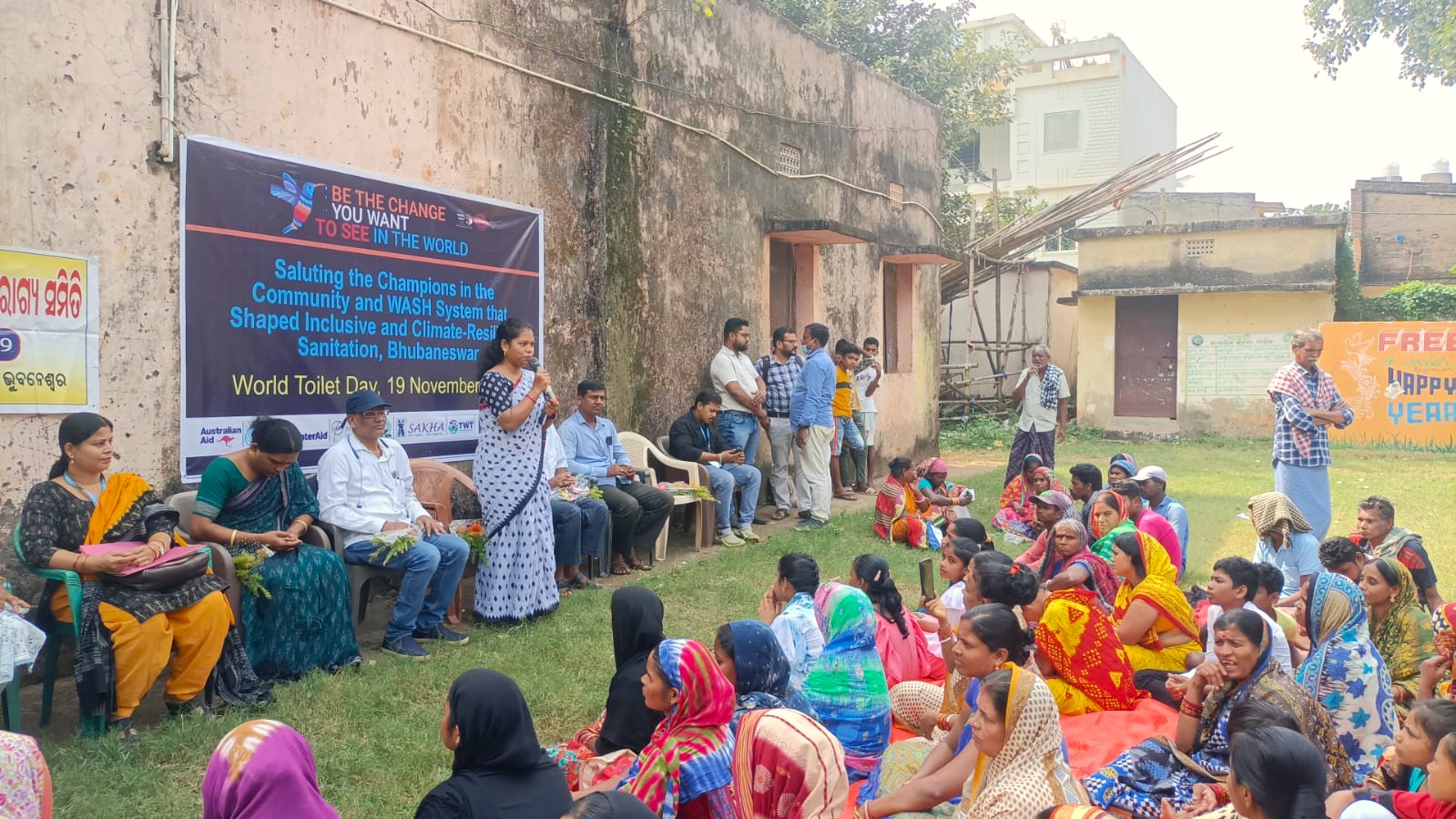
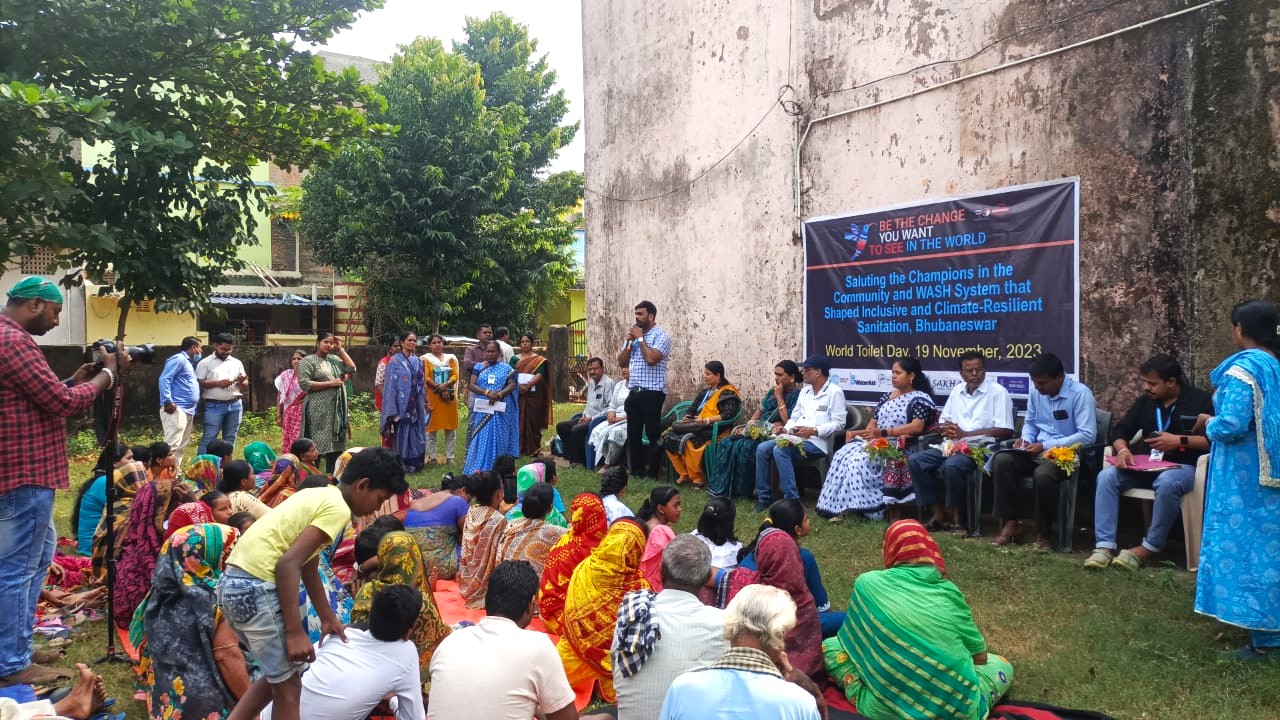
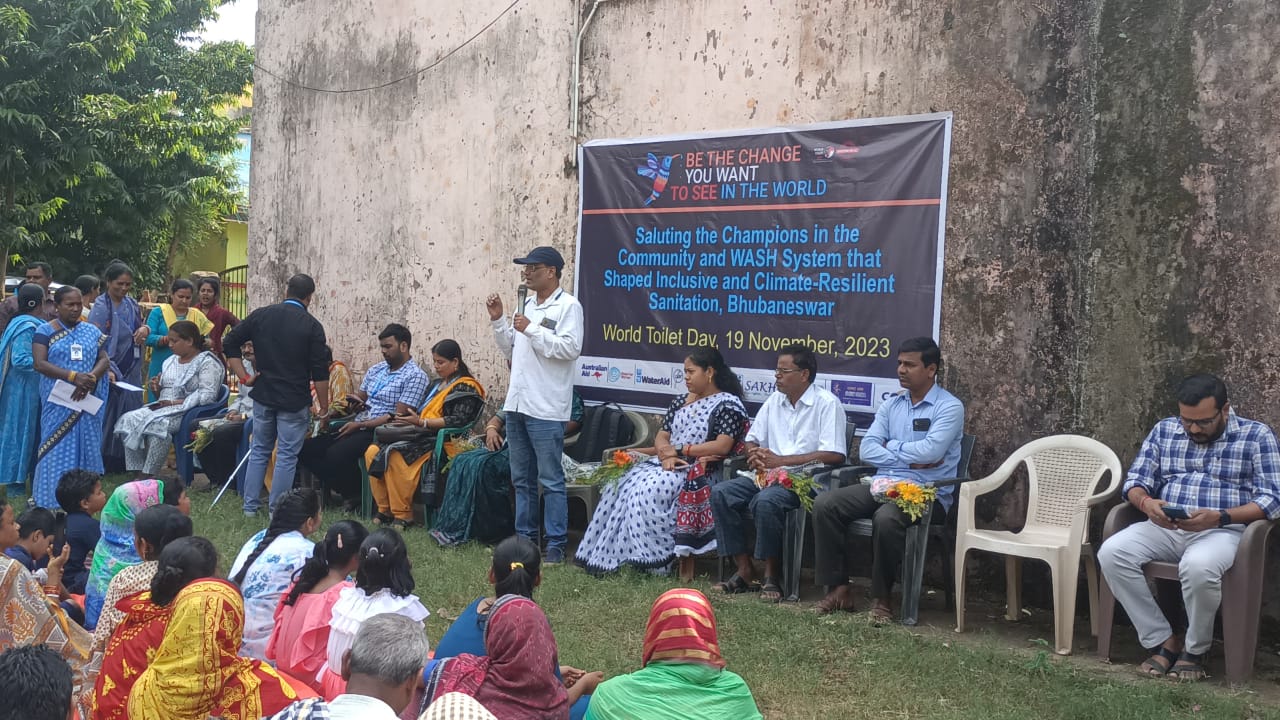
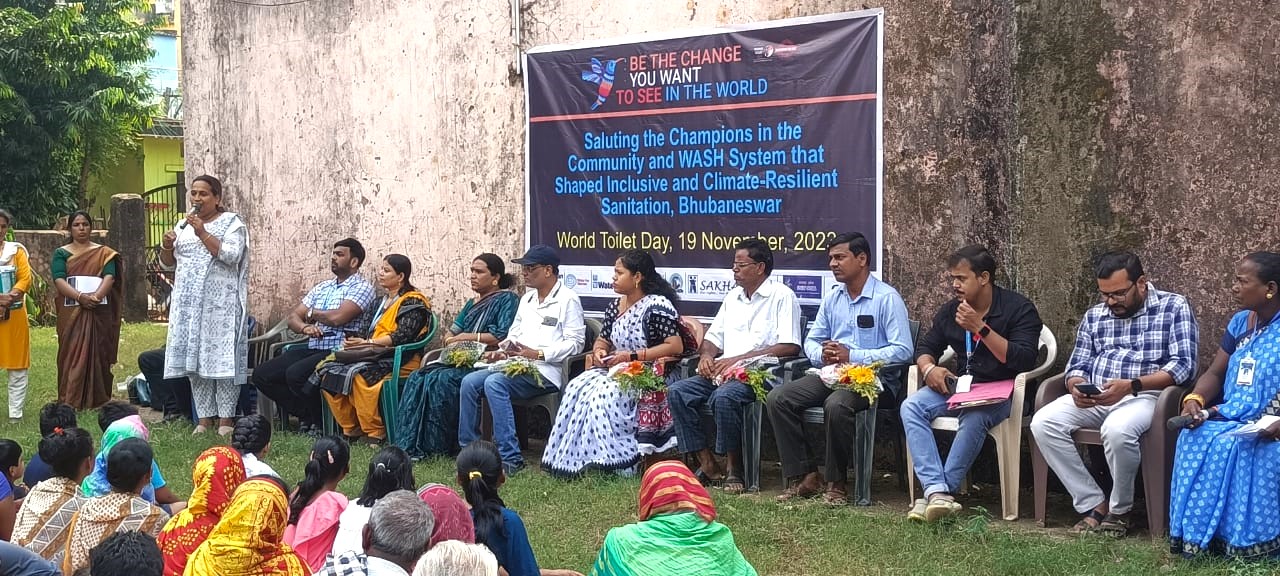
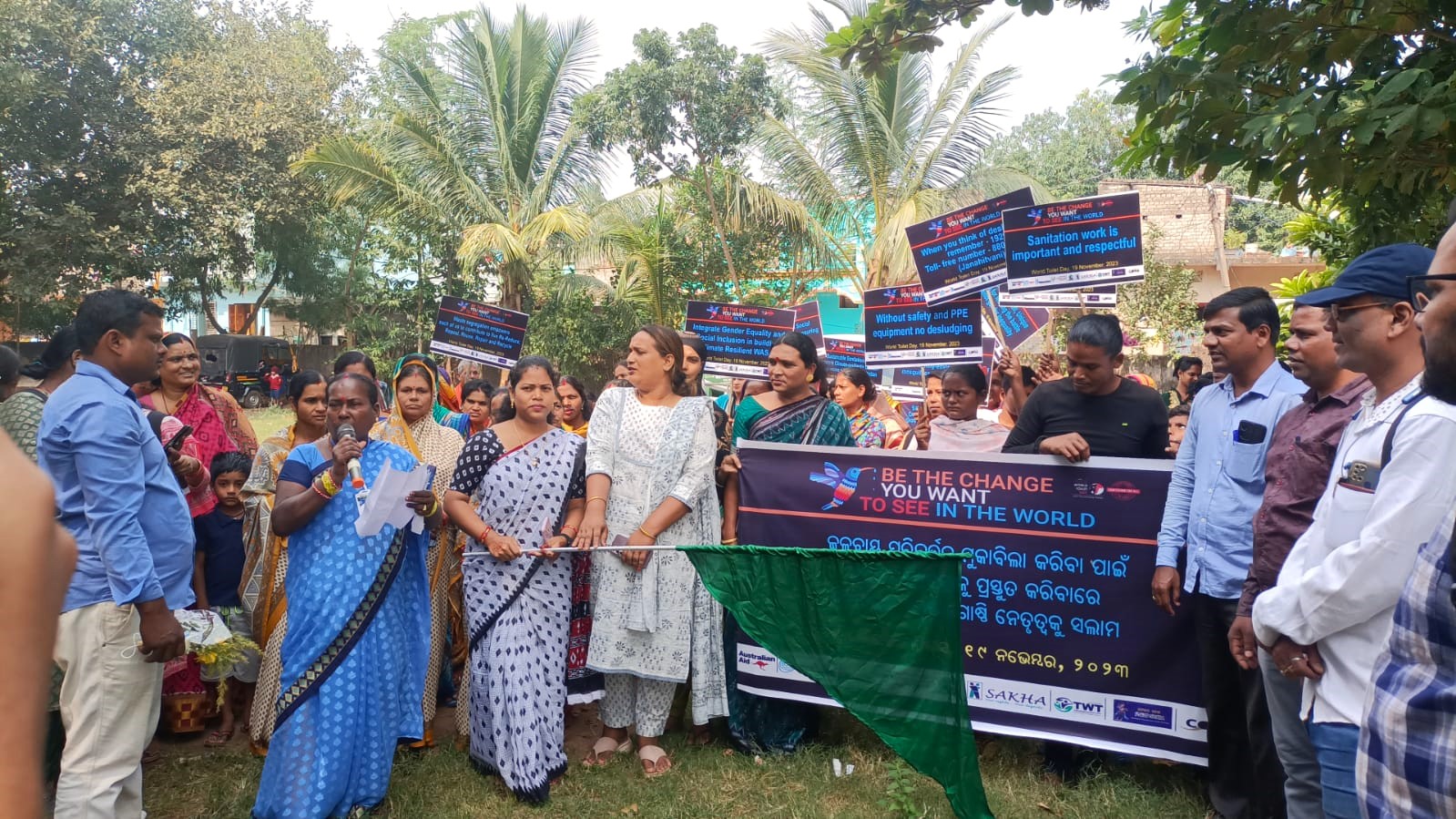
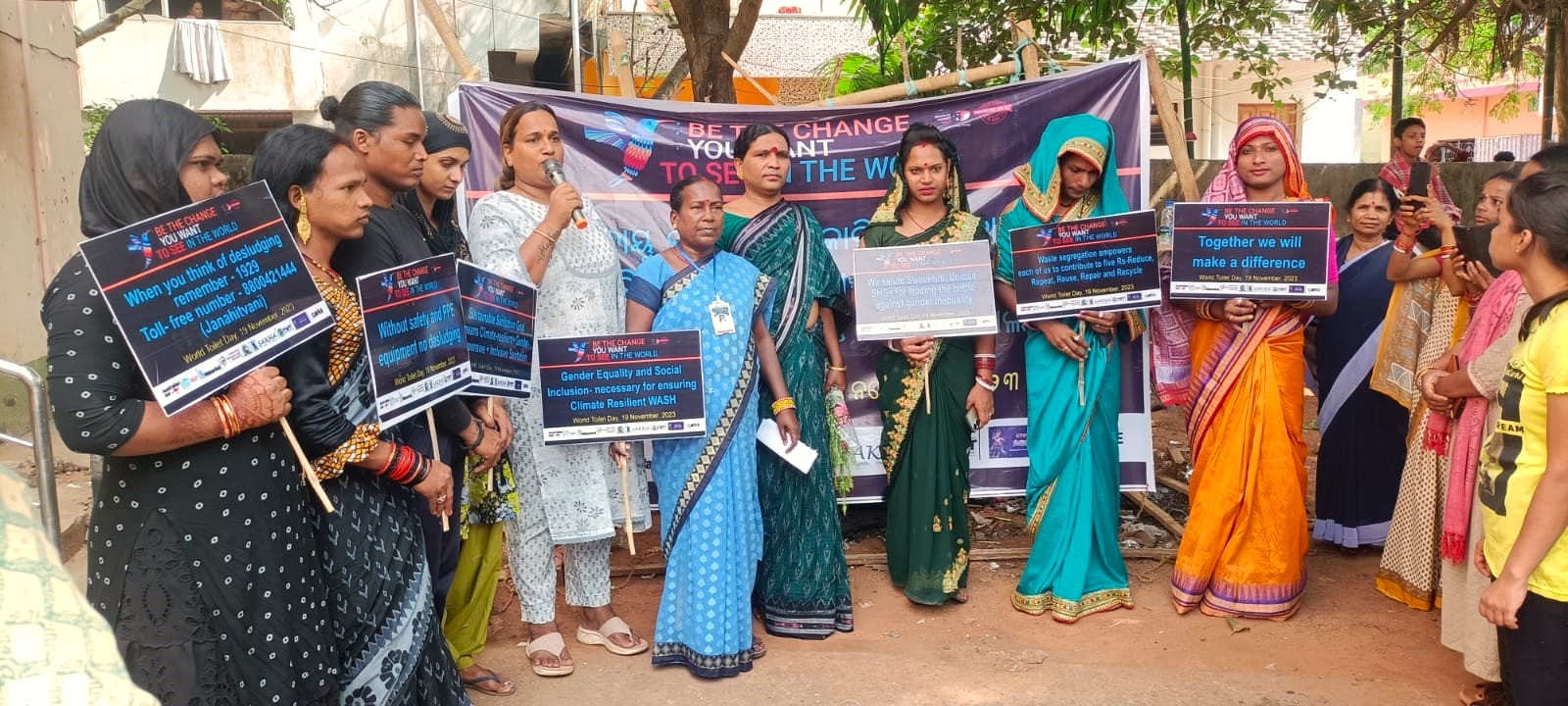
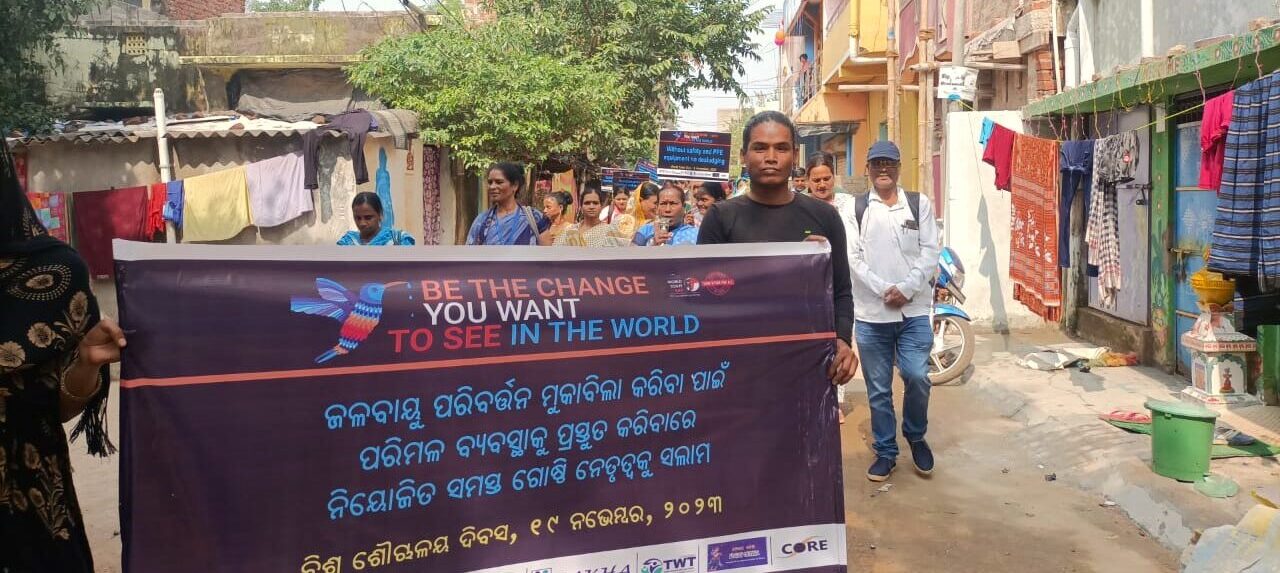
Deputy Mayor, Bhubaneswar kicks off campaign to mark the upcoming World Toilet Day, 19 November

“Those who do not have access to household toilets can get in touch with the Sanitary Inspector to apply for the same. SHG members are proactively reaching out to the community to empty the pits on time. This message should be shared with all others who are not present here in the meeting”, encouraging words by Manjulata Kanhara, Deputy Mayor, Bhubaneshwar in Cluster 6, Ward no 22 as she launched the campaign ahead of the World Toilet Day that falls on 19 November.

The launch saw wide participation – Partners, Ward Officials, Slum Development Association, Swaccha Sathi, Jal Sathi, representatives of sanitary workers and frontline workers. A number of voices raised important issues that intersect with safe toilets. Sudarshan Chottoray Climate Change Expert urged people to use toilets designed for climate related risks. Meghna Sahoo, TWT raised the need for community toilets for transgenders. Periodic de-sludging of pits and tanks with all safety provisions – was stressed upon. And a simple appeal by Rahas Bihari Saha, Sanitary Inspector to stop polluting the environment – Stop Open Defecation.

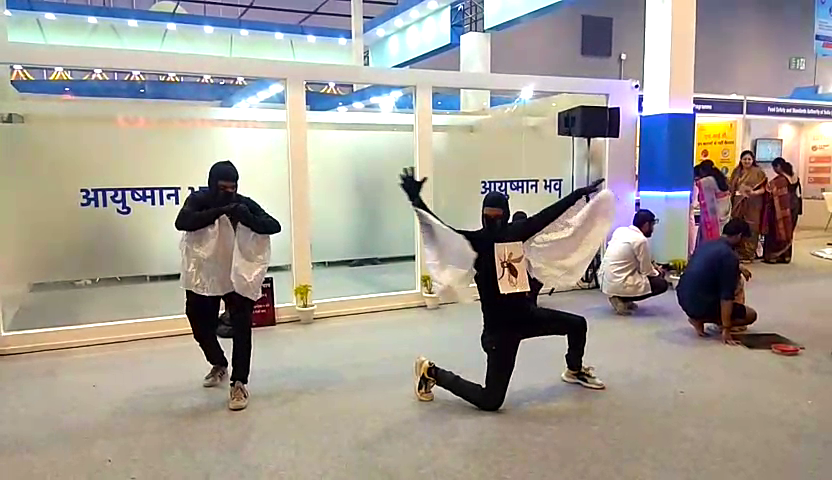
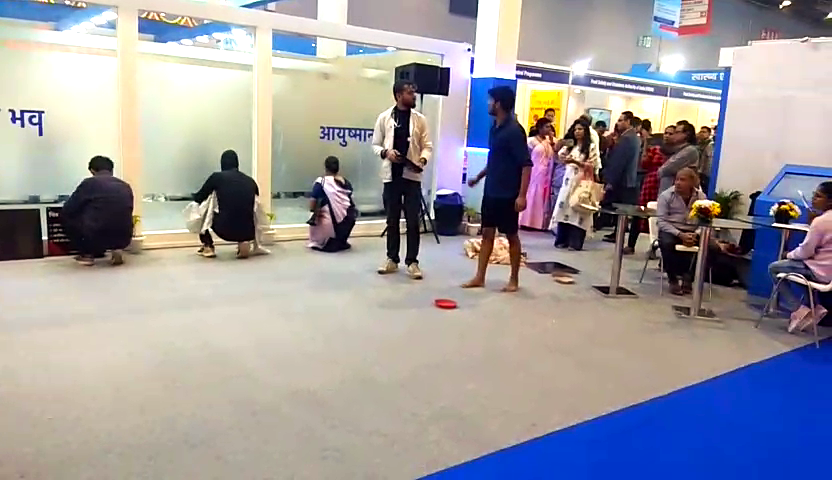
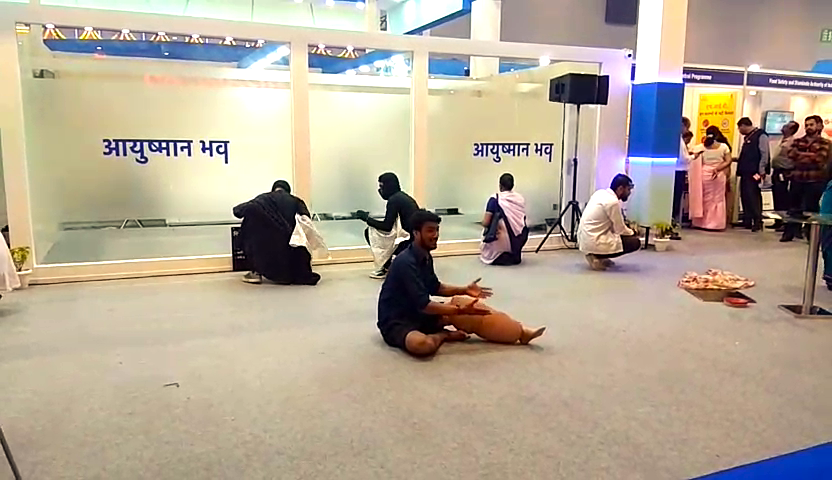
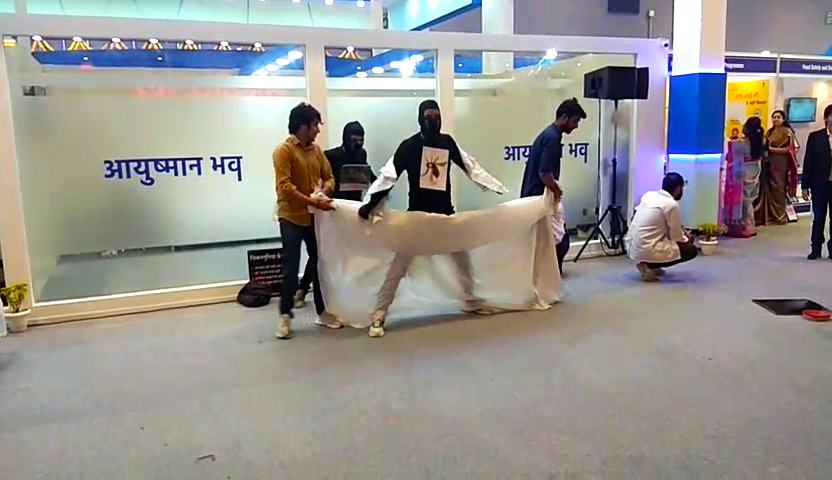
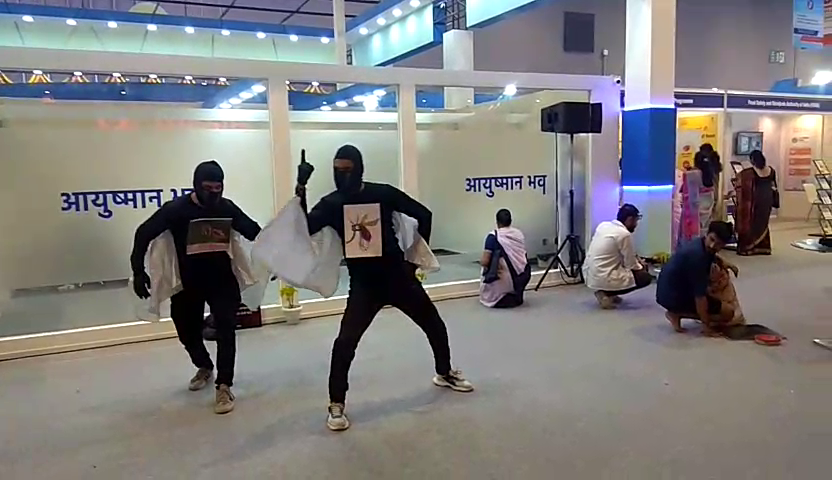
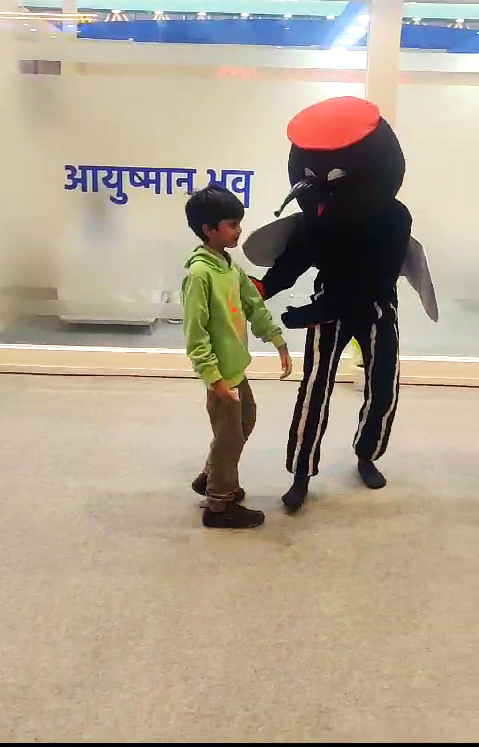
Protect from Mosquitoes to Prevent Disease: a well-received performance at IITF, Delhi

Visitors at Hall No 4, Pragati Maidan at the opening of the India International Trade Fair, Delhi watched with interest a performance based on disease-spreading mosquitoes and the ways of prevention and treatment. “Machar se Bachein, Rogon se Bachein’ performed under the aegis of National Vector Borne Disease Control Programme. had actors enacting scenes that showed patients struggling with different diseases — filariasis, malaria, dengue, chikangunia, Japanese fever and kala-azar. Each segment ended with an effective message by the medical doctor in the show on protection from mosquitoes. ‘Bittu Mosquito’- the charming Mascot flitted around – spreading the same message. Speaking randomly to people in the audience showed that the message had gone down well.


Empower women to combat violence

Lalita Panicker, HT

Gram sakhis and women’s forums in Kishangarh, Ajmer are promoting helpline numbers to deal with violence against women, covering 33 villages in the district.

Violence against women thrives where a combination of factors ranging from isolation, shame and patriarchy combine to ensure a culture of silence. Change can be effected when women come together to put up a joint front. A perfect example is the coming together of gram sakhis and women’s forums in Kishangarh, Ajmer, promoting helpline numbers to deal with violence. These agents of social change are undaunted by the patriarchal environment they live in, now covering 33 villages in the district.

In a remarkable effort, they have formed survivor support groups, trained themselves to be paralegal volunteers, and are tirelessly working to raise awareness about violence against women. Each gram sakhi is responsible for one gram panchayat with a know-how of legally and socially addressing the issue of violence, empowering those who have suffered and holding the perpetrators accountable.

Saraswati, a gram sakhi from Roopangarh, is also a suraksha sakhi (protection buddy), designated by the Roopangarh police station. She says, “I was able to gain knowledge on laws and redressal mechanisms, which gave me the confidence and motivation to spread awareness in my village. Now, I am sharing information on helplines and providing self-defence training to school-going girls.”

These women feel that despite comprehensive laws to protect women, many still face violence. One reason is the lack of knowledge of the available redressal mechanisms. “We have launched an intensified door-to-door awareness campaign to inform women about the helpline for violence against women. This helpline serves as a crucial resource for women who may be experiencing violence or abuse. By spreading the word about this valuable tool, we hope to empower women,’’ says Sakina, member of the women’s forum and a survivor of violence from Chundari village. “We were unaware of any mechanisms to lodge a complaint or reach out at the time of need or in trouble, and if we are told verbally, we forget the numbers. But now that they are pasted on the walls of our houses, it is easy to remember,” says Lali Rao, a Scheduled Caste woman from Roopangarh.

To its credit, the government has established various resource centres to provide justice to women, such as the district legal services authority, one-stop sakhi centres, women’s safety centres, and the state women’s commission. However, these can only be effective if the women are aware and have access to appropriate mechanisms.

Are the women worried about a backlash? Not at all, is their resounding answer. The women’s group was set up to create a narrative around preventing violence against women. This group has taken up the responsibility to educate every woman in the village about the legal framework and helplines established by the government. They are diligently going door-to-door and putting up posters outside each house that contain vital information regarding all available services, including helpline numbers that can be utilised in the event of any violence against women. This group hopes to empower women to seek support through the helplines in case of violence against them or their female peers. It’s a commendable effort to create a safer and more informed community.

The campaign, which has been jointly mounted by the district legal services authority, department of women and child development, one-stop crisis centres, gram panchayat, and suraksha sakhi groups with support from the Centre for Advocacy and Research in Kishangarh, has reached 3,210 households. If this becomes a movement, as it should, the message will go out that there really is strength in numbers and in creating wider ownership both within the government as well as in civil society.

Monitoring of Faecal Sludge Management Services in Informal Urban Settlements in Odisha, India

KEY MESSAGES

Giving numerical value to demand, supply and existing challenges in providing safe emptying of pits persuade the urban local body and other stakeholders to take measures for expediting the safe empty of pits

Community engagement and participatory monitoring results in securing safe sanitation and ensure service inclusion of last-mile population.

Tracking slum-wise demandwithin a Wardreduced the waiting time of desludging of pits and instilled a sense of dignity in the women headed households

Sukumari Rout- Turning adversity into opportunity

The story of Sukumari Rout, an elderly artist with disability traces her day to day predicaments as an elderly disabled woman, who faces multiple barriers of gender, age, weak financial situation and is forced to compromise her sense of personhood at various levels. Undoubtedlythe support fromWater for Women Project team and the key stakeholders has enabledher to both cope and come out of the worst. There are many like Sukumariwho are struggling everyday to deal with multiple problemsand need the unflinching support of government, private sector agencies and communities to livea life ofdignity.

Gopi Devi – I can lead a life of dignity

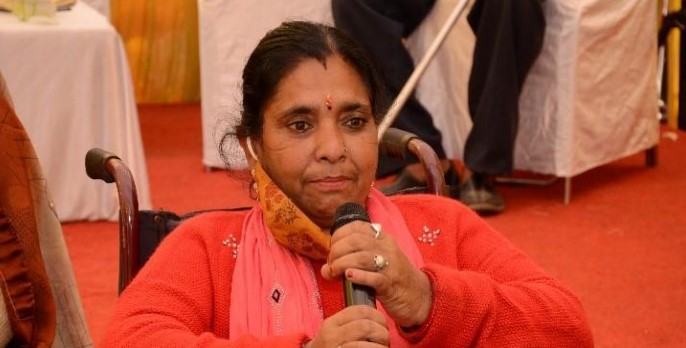
The story of Gopi Devi etches out clearly the challenges that disabled personsface.In this case a disabled person is a woman, who experienced four-fold barriers of gender, disability, poverty,and last but not the least low educational attainment and skill. In the context of the pandemic, these challenges became even more life threatening. However,it is at this stage that the Water for Women Project played a very important role. Not only did Gopi get the unflinching support of the Community Management Committee (CMC) and the project team but also a platform to speak up and reach out to and sensitise many key stakeholders and leverage the much-needed opportunity to ensure that the WASH system commits itself to disability inclusion in ways that has never happened before. It is in this context that this case study based on Gopi’s testimony assumes significance.

From No Service to Accessing ServiceA Year Long Journey of the Single Window Forum Members

I am a migrant from Bihar living in this settlement for over 30 years. We are 14 members in the family. All the members areweavers. Our household is connected with the borewell water pipeline, butsince the past four months the water looks like sludge. A white coloured layer is seen on the surface of stored water, even the water containers change theircolour. Many people are facing severe health issues after drinking this water. -Baby, 49 years, SWF member

Engaging men and boys: Case Study of Male Forum, Jaipur

This case study must be viewed in the context of informal settlements or slums in the city of Jaipur. These habitats are densely populated and have areasoften at the rear end or in designated blocks where marginal communities such as transgender, persons with disabilities, SC, ST, OBCs, minorities and tribal reside.In these settlements, the Slum Development Committee (SDC), which comprises men and local leaders who act as gatekeepers often in active collaboration with political leaders cater largely to the needs and priorities of the more influential section. They pay no attention to the needs of women, girls and other vulnerable groups. But soon the situation changed.

Low-cost handwash stations help people stay safein the time of pandemic

Bhubaneswar/Jaipur:This unique handwashing station is helping people stay safe and healthy during the pandemic. It costs little, made entirely of locally available material, and serves the needs of community members of slums in Bhubaneswar and Jaipur. The design for affordable and self-assembled handwash stations was developed in Barabhuja basti in Bhubaneswar’s ward 63, and has, since, served as a model for other community-led innovations.

Celebrating International Women’s Day, 2019

The Centre for Advocacy and Research (CFAR), Bhubaneswar, observed International Women’s Day on March 8, 2019, by celebrating the achievements of women champions who have brought significant changes in their own lives, their family and the community, by establishing and promoting gender justice norms in their action. Speaking about this Jyoshna Sahoo, CFAR stated “Women’s day should not be celebrated only for one day rather it’s a process of everyday life. The day is celebrated to acknowledge the achievements of women in different spectrum i.e. social, economic, political etc. but it only can be achieved if we consider them as equal. And equality does not come suddenly, it’s a life cycle approach. Each person has a role to play to bring equality in society and it starts from our family. for example; if we brought up our children with equal knowledge, work division and  behavior then probably down the year they behave respecting to each other Gender balance can only come once we promote equality and men need to be involved in this process”.

At an event organized at Buddha Temple where more than 150 women and men participated, women from the community shared their heroic acts of breaking away from the bondage of inequitable traditions.

One woman of the community said she is taking care of her old parents abandoned by her brother, while another said she is creating awareness about sex determination and elimination of the girl child. Many said they raised their voice against violence against woman and some others said they fought for their right to property. “After going through a torturous phase in my married life, I broke all ties and am now staying with my parents and working for the development of the community,” said Manjulata Dalei, a community worker.

As this year’s theme of International Women’s Day was #BalanceForBetter; all participants spoke on a case in point that brings balance in the society and promotes equality between men and women. Mihir Mohanty, Program Manager, Swabhiman, said: “The hearing and visually impaired women cannot voice their opinion against domestic violence and they become a victim of sexual harassment too. We need to create awareness among people about the equal rights of women with disabilities.”

Speaking on the occasion, Snehanjali Mohanty, Member, State Commission for Women said: “Both men and women are important in a balanced society. Respect for each other needs to be encouraged and propagated so that our next generation learns from us.”

“Equal work division needs to be promoted and the practice of work division at home based on the gender of the child has to be stopped by parents,” said Pramod Ku. Prusty, Deputy Commissioner BMC. Speaking on the same lines social activists Sri Som also said that the work division between men and women based on the stereotyped gender roles should be condemned. He said the government is also taking various initiatives to bring women into mainstream and priority is being given to women beneficiaries in ration card, gas connection, IHHL subsidy, to cite a few.

Goutam Arya Bhusan of Taru Leading Age said: Each day should be celebrated as Women’s Day. “Women have the courage, patience and the capability of doing everything.” Rajalaxmi Dash, Member, Child Welfare Committee also had a similar view and said the process of strengthening women’s voice should continue and it should not be a one-day event. 

Meera Parida, President, Sakha; Bharati Chakra, State Head, HelpAge India; Usha Rani Behera of Bharatiya Gyana Vigyana Samiti (BJVS); and Debasmita Pattanayak of Abdul Latif Jameel Poverty Action Lab (J-PAL) were also present on the occasion.

Subscribe To Newsletter

Pleace enter your email and get news updete for donation company.