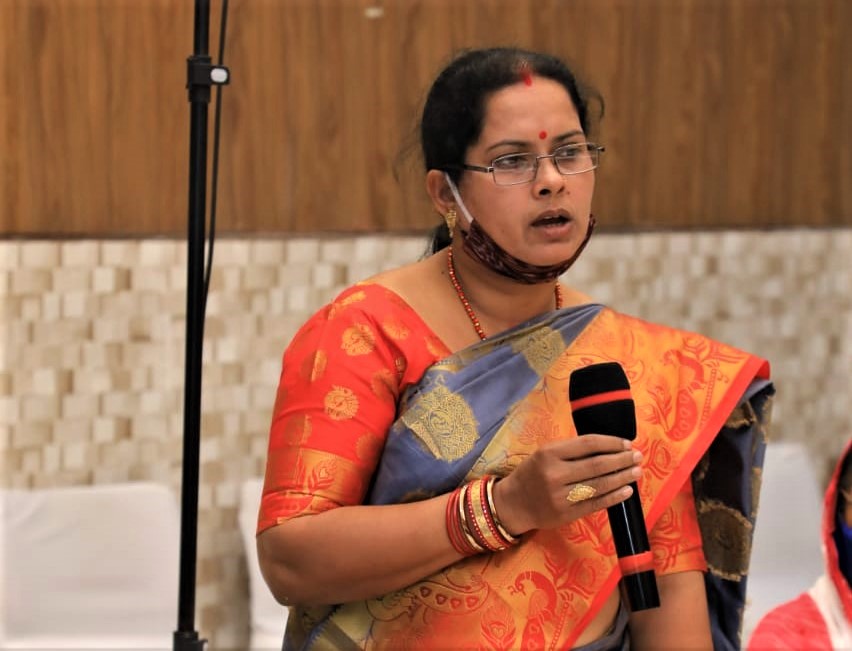
Living in Barabhuja Basti for the last 20 years Arati Jena has been helping her community in different ways. Popularly known as Kuni didi, she derives pleasure in helping her community. Following her passion for social work, she decided to take it forward in a structured way by forming a self-help group in 2014. This 15-member SHG has its own identity and even a bank account. Together, she has helped in setting up 13 SHGs in the nearby settlements of Jagamara Bhoi Sahi, Dumduma Bhoi Sahi, Dumduma Pana Sahi and Barabhuja.
Author: Amit
Menstruating with dignity is a human right
Gender-inclusive sanitation brings dignity to women and girls
INTRODUCTION
#HappyPeriodsDay
#AbPataChalneDo
The Menstrual Health and Awareness Week, observed from February 3 to 6, is aimed at drawing attention to the silence which shrouds menstruation, spread awareness and address myths and taboos related to menstrual health and hygiene.
February 5 is observed as the Menstrual Health and Awareness Day which marks the launch the Red Spot Campaign, focussing on raising awareness on the importance of understanding menstrual health and engaging men to shatter myths around menstrual hygiene and develop sensitivity to women’s WASH needs.
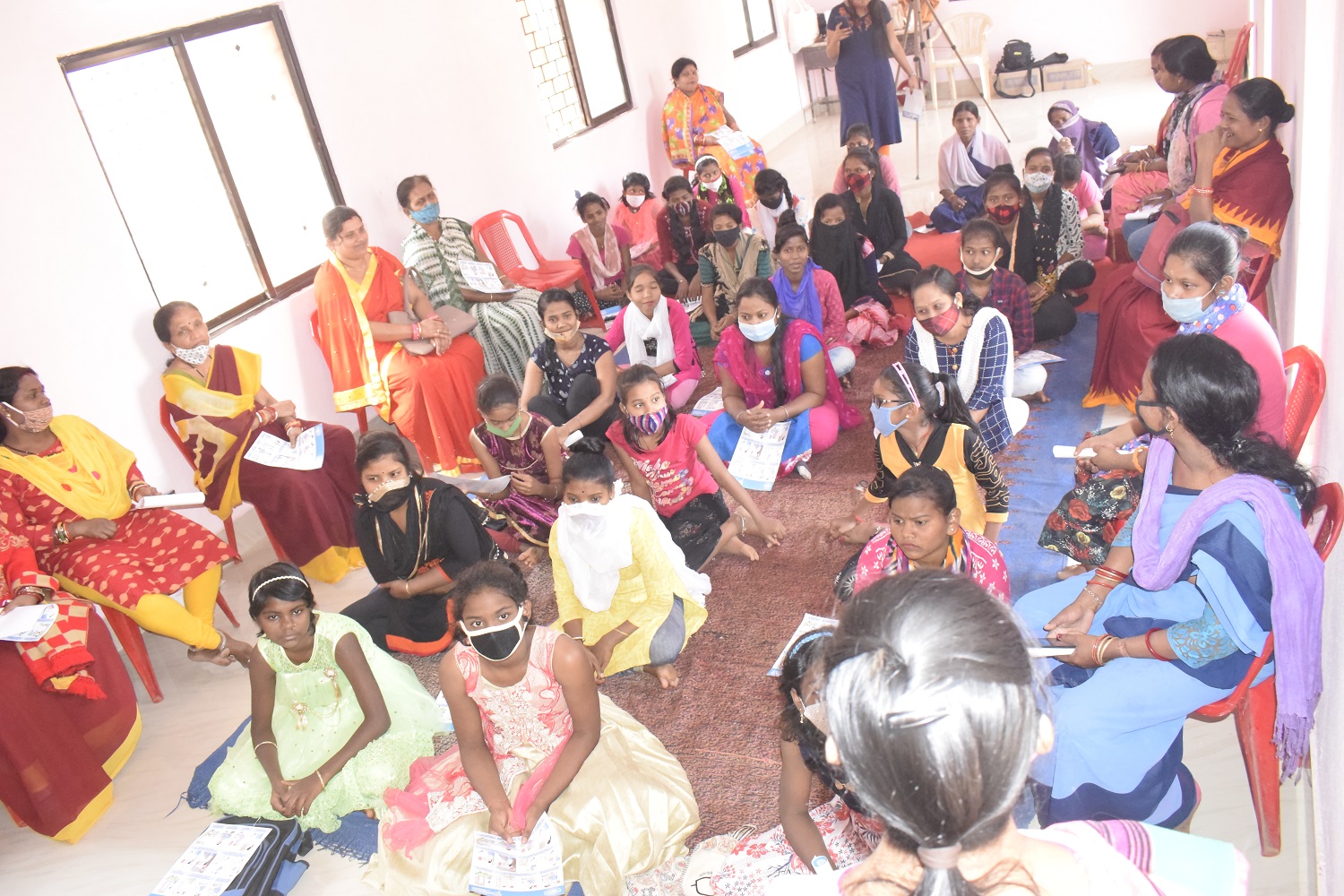
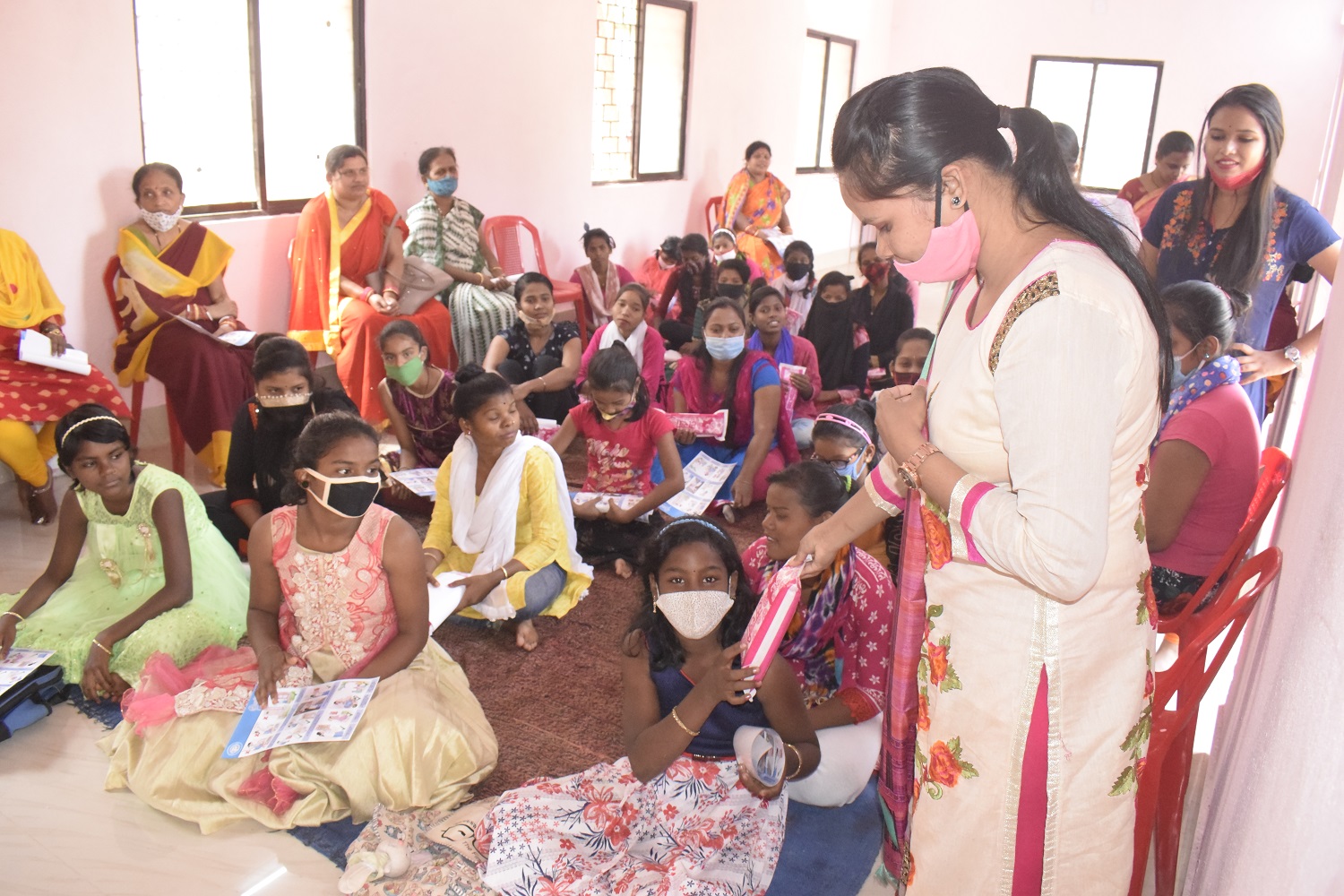
Week-long activities to mark this day were carried out by the community, facilitated by CFAR through various events involving adolescent girls, mothers, health workers and other stakeholders through deliberations, field-related activities, games, wall paintings and street plays.
Our partners include: ICDS, National Health Mission, Department of Women and Child, Slum Development Committees, School Management Committees, Adolescent Group Male Forums, Kishori Samuh, Mothers Committees, Self-Help Groups, Area Level Federations, Self-Regulatory Committees; Mahila Aarogya Samitis, ASHAs, ANMs, UPHC; Parivar Sewa Sansthan, Saath Charitable Trust and doctors.
We bring you glimpses of activities in Bhubaneswar, Delhi, Jaipur and Kolkata during this period.
February 3, 2021
Tapabana Basti, Ward 63, Bhubaneswar
Poster-making Competition
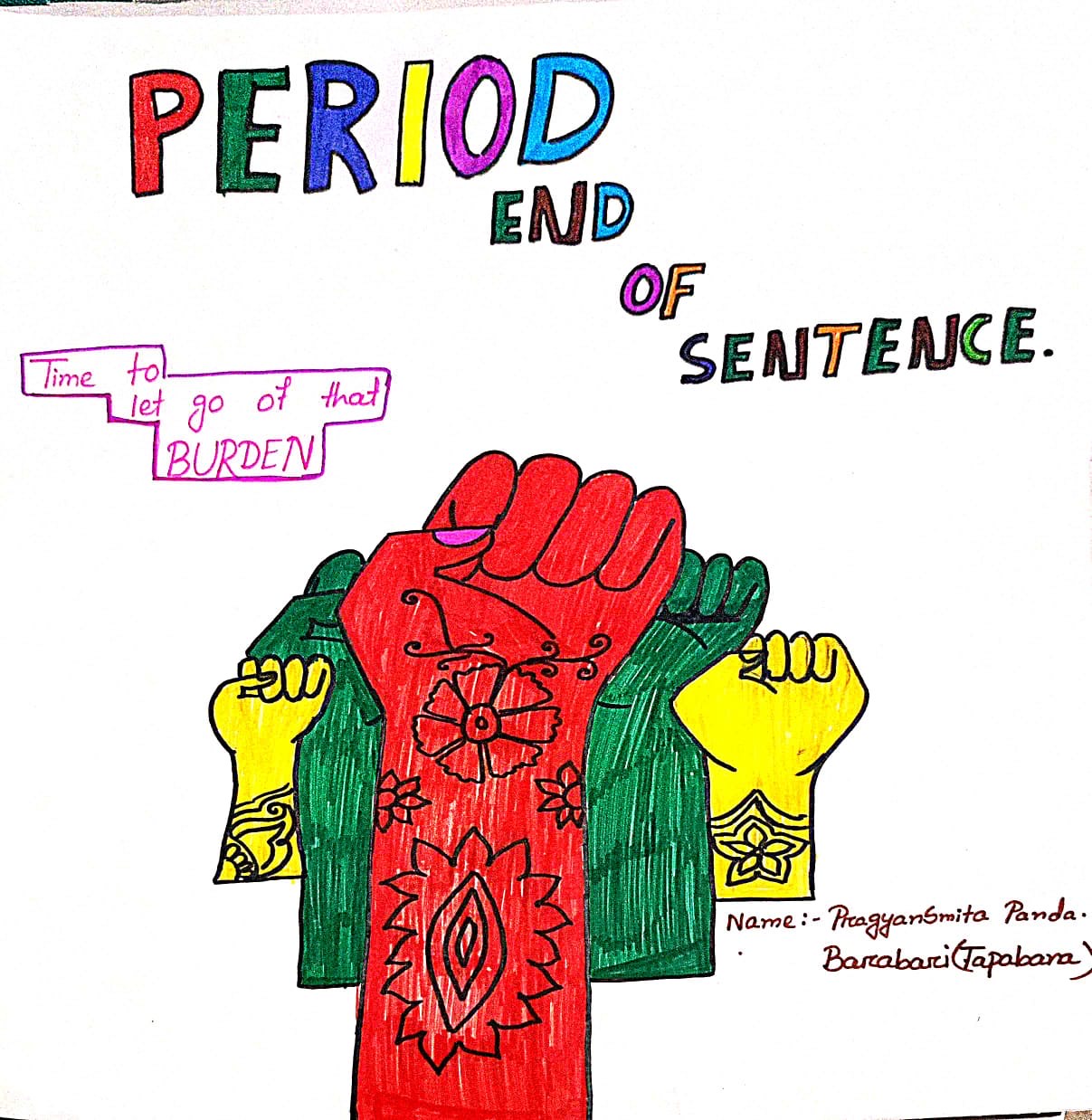
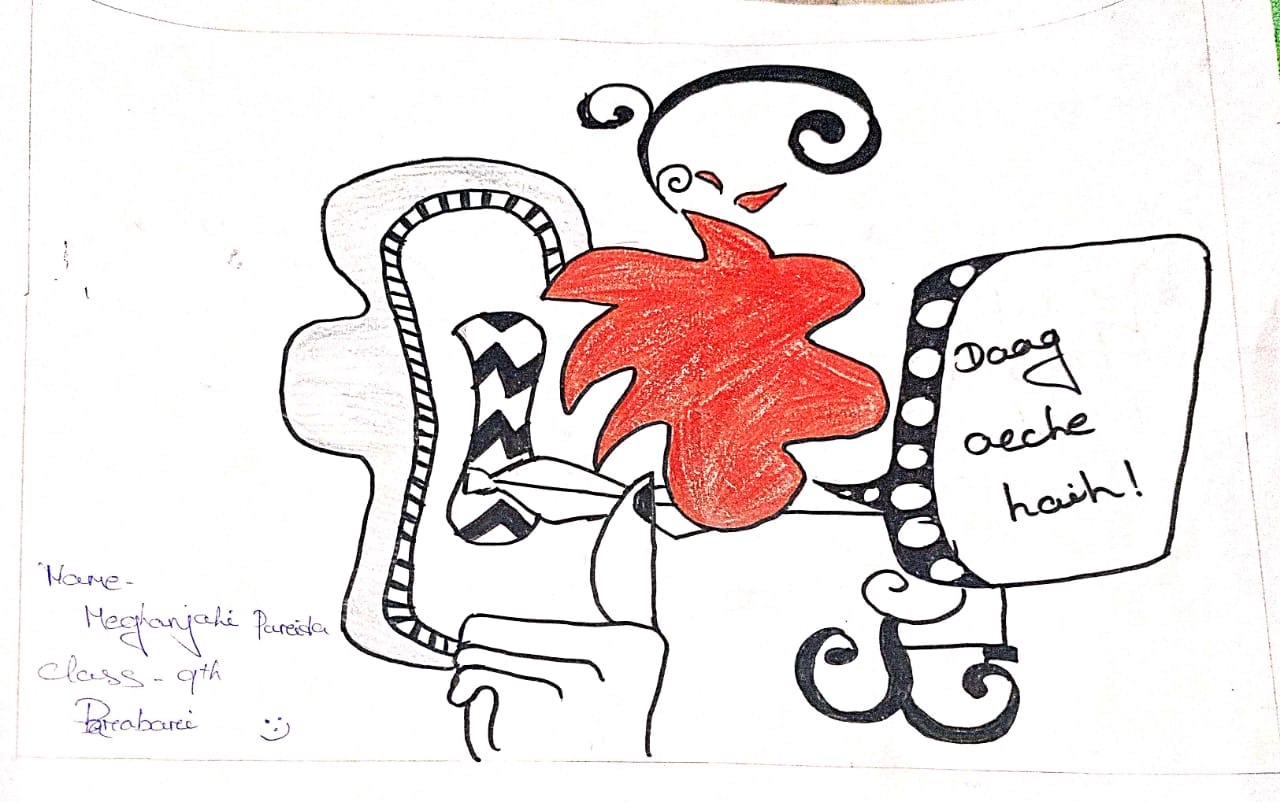
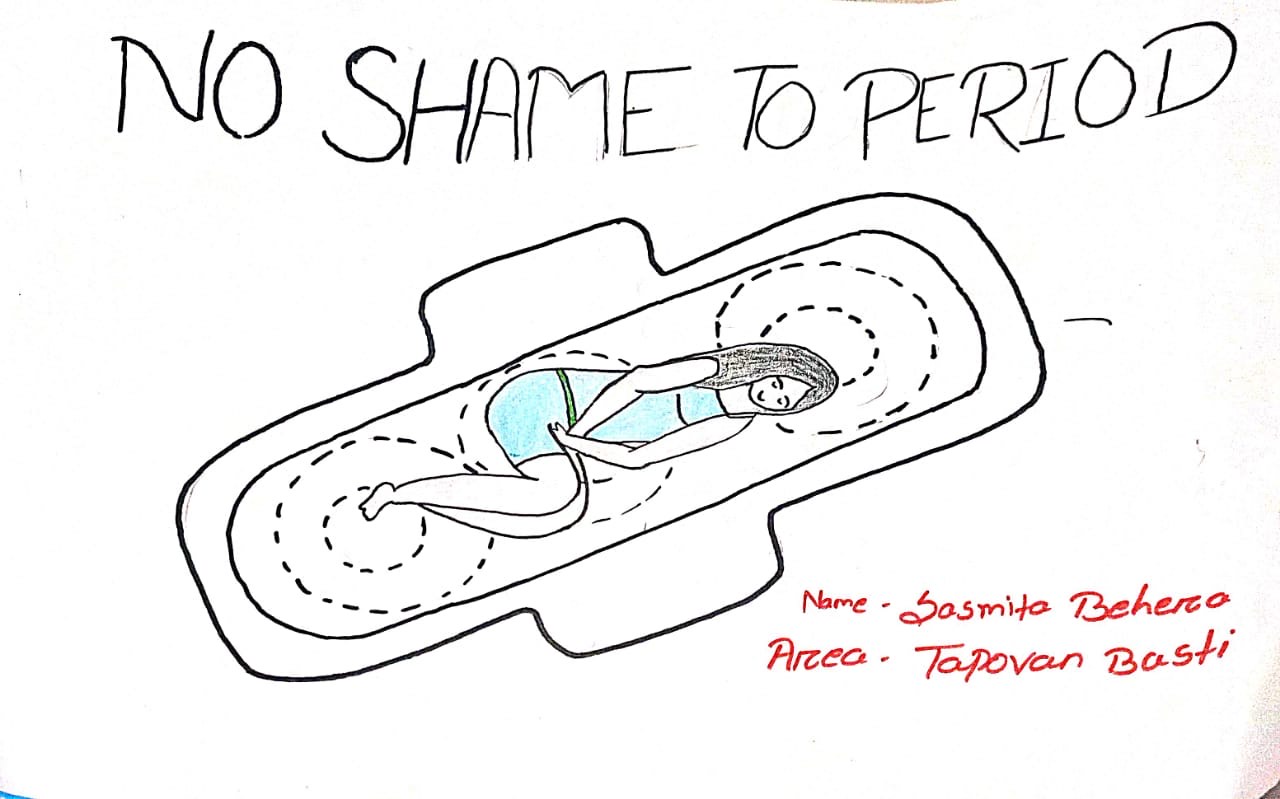
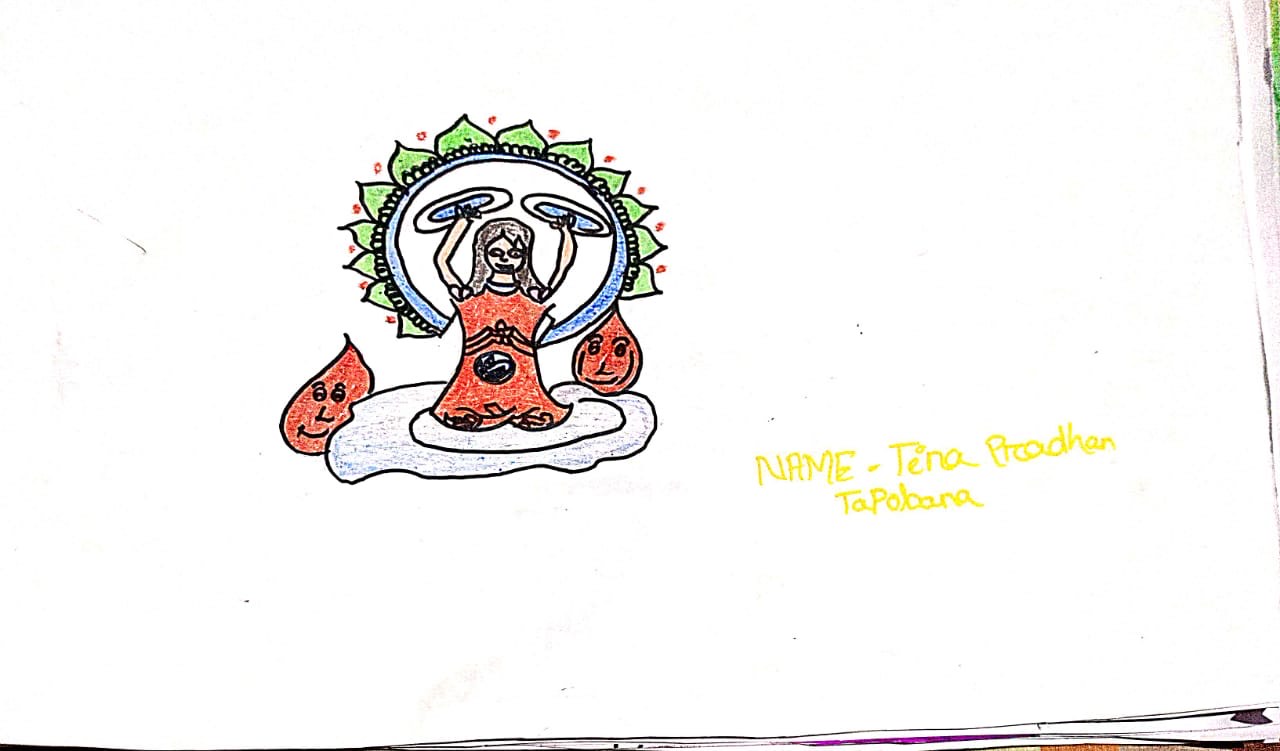
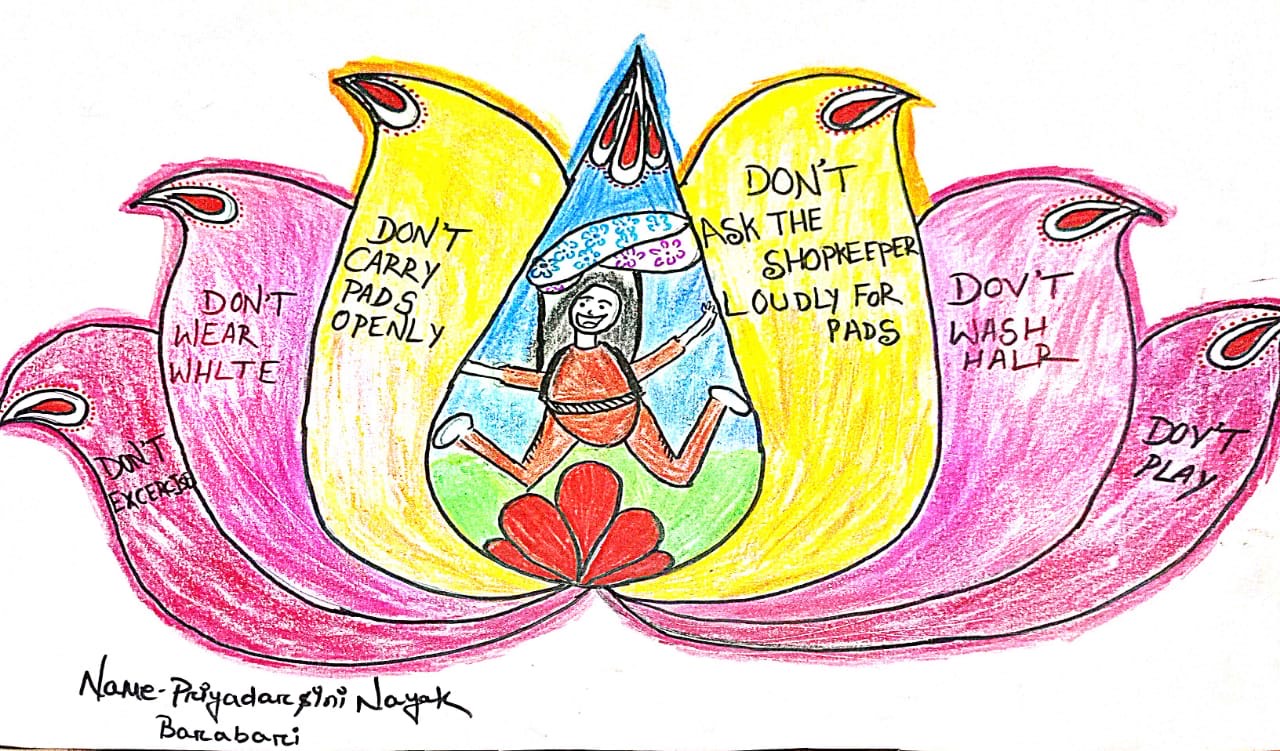
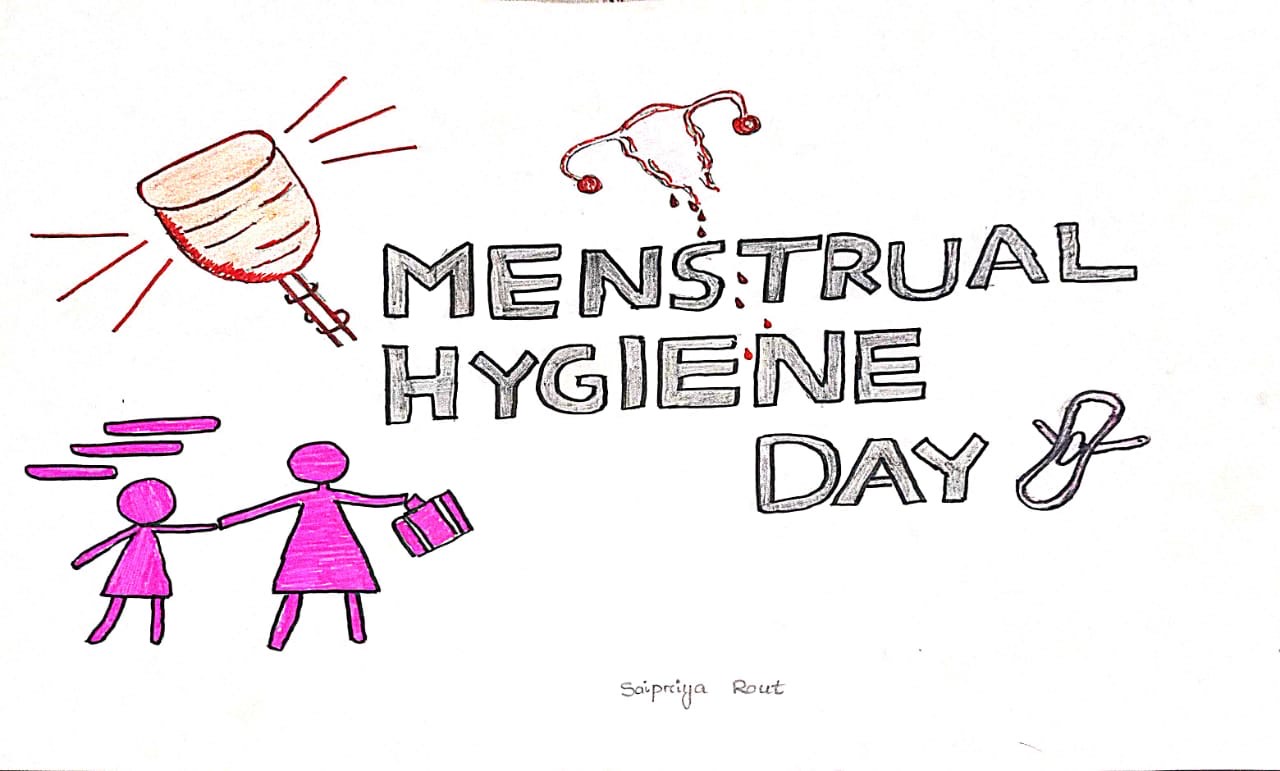
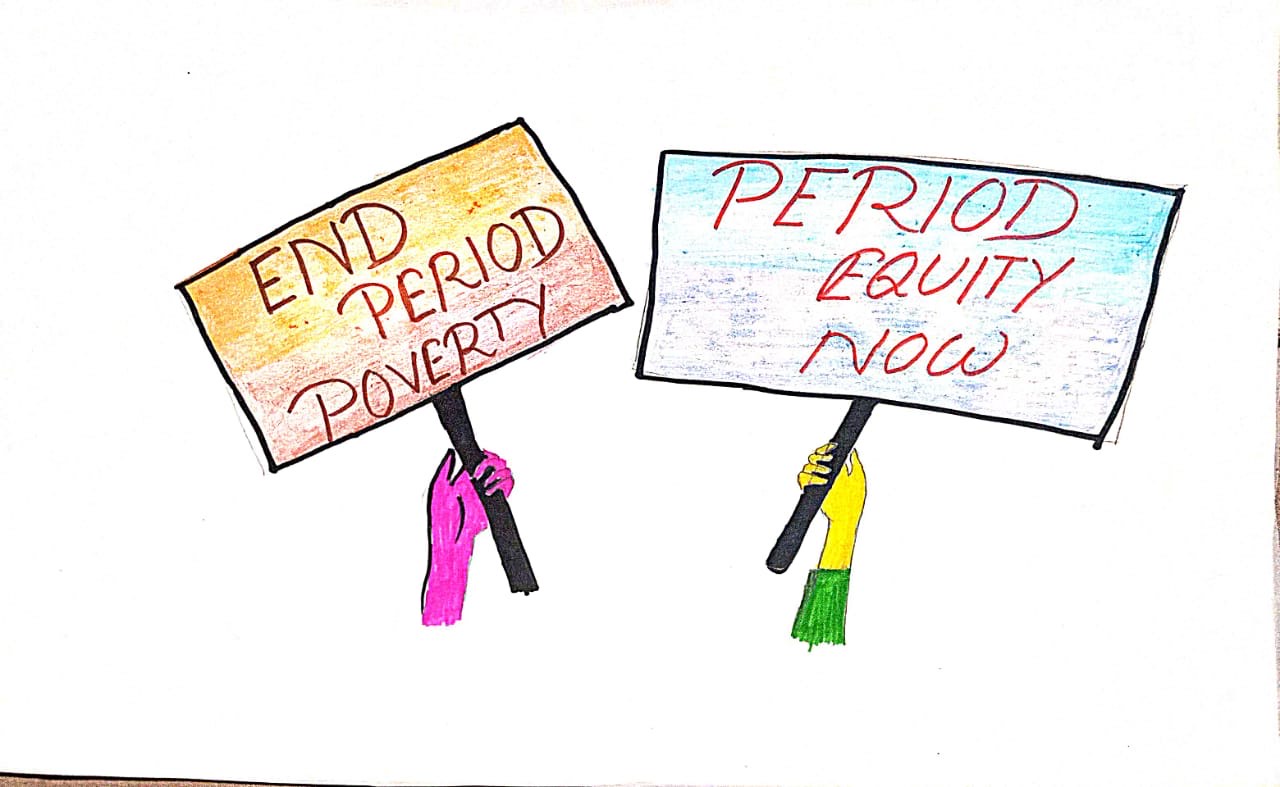
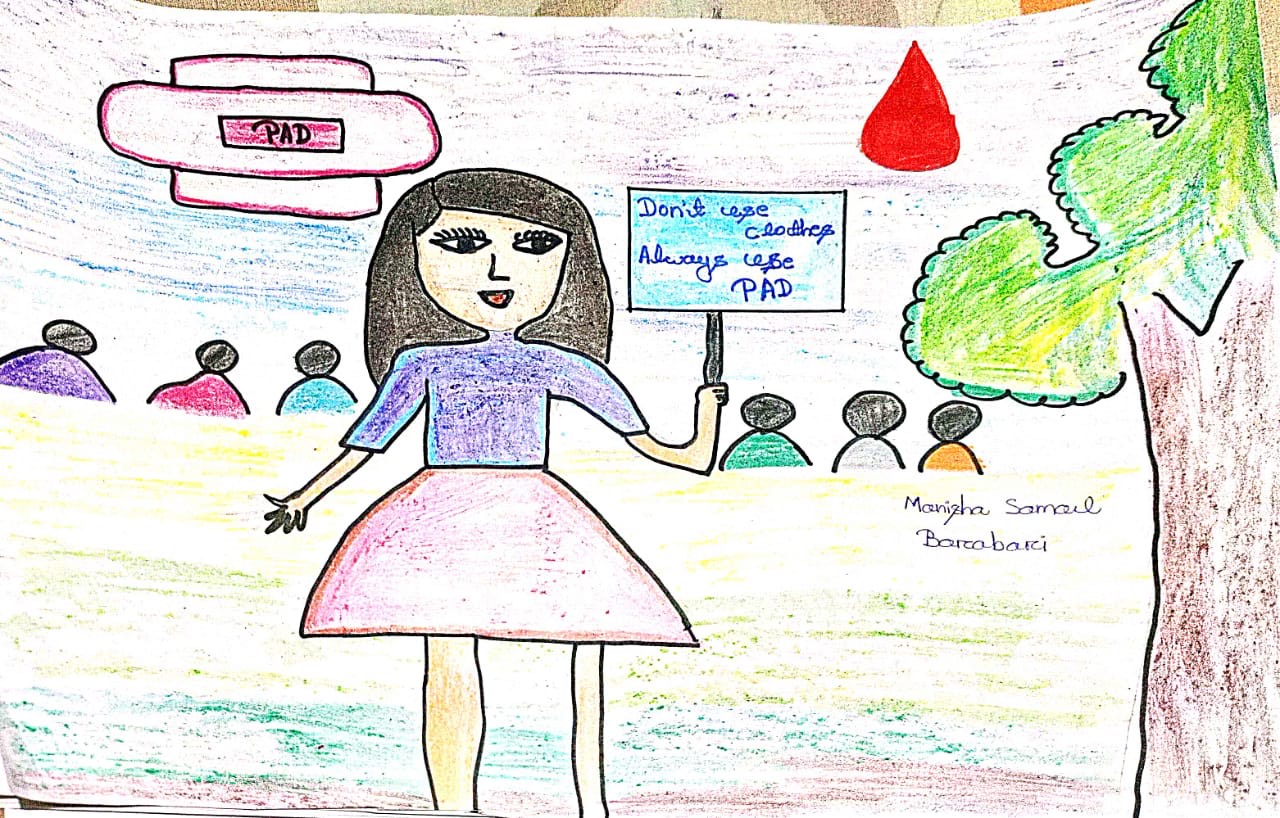
The posters made by adolescent girls depicted messages on menstrual awareness and safe disposal, addressing myths and taboos. Some of these messages were:
“Periods are a matter of pride, not shame. We all must come together to normalise it and eradicate all taboos.” – Sasmita Behera
Periods are a blessing, not a burden for us.” – Meghanjali Parida, 15 years
“Everyone must know that periods are normal and there need not be any restrictions on any physical activities. We should not feel ashamed to talk about them in front of our fathers or brothers.” – Pinki Palei, 14 years
“Sanitary pads are a safer option than cloth, but the pads must be disposed of safely either in dustbins by wrapping it in newspaper or by burning them.” – Manisha Samal, 14 years
The activity also included quiz on four pillars of menstruation, including scientific information, access to WASH services, availability of safe products and disposal.
February 3, 2021
ICDS, Nagtalai, Jaipur
Intergenerational dialogue on effective menstrual hygiene – time to talk; Snake and Ladder game, role-play on different responses to MHM
Men should support girls and women in practicing safe menstrual practices as brothers, husbands and fathers. Suman Lata, Anganwadi worker
Discrimination between a boy and a girl in the house should stop. Raju Devi, Mothers’ Committee
I do not want my daughter to suffer like me during her periods due to lack of knowledge on safe menstrual practices. Kiran Devi, Mothers Committee
Even the elders of the family hesitate to talk to us on menstrual practices and menstrual health. -Chetna, Kishori Samooh
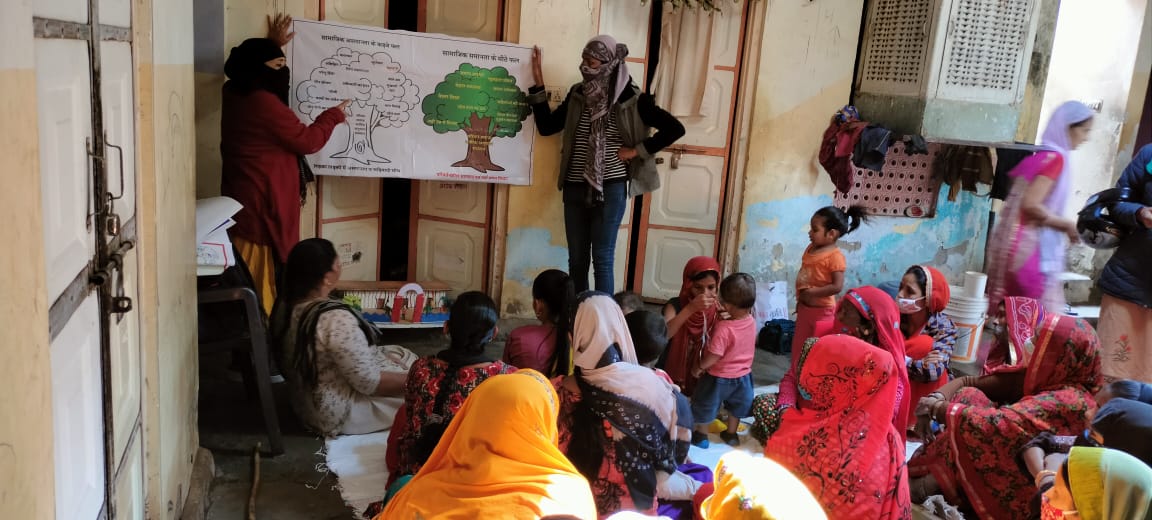

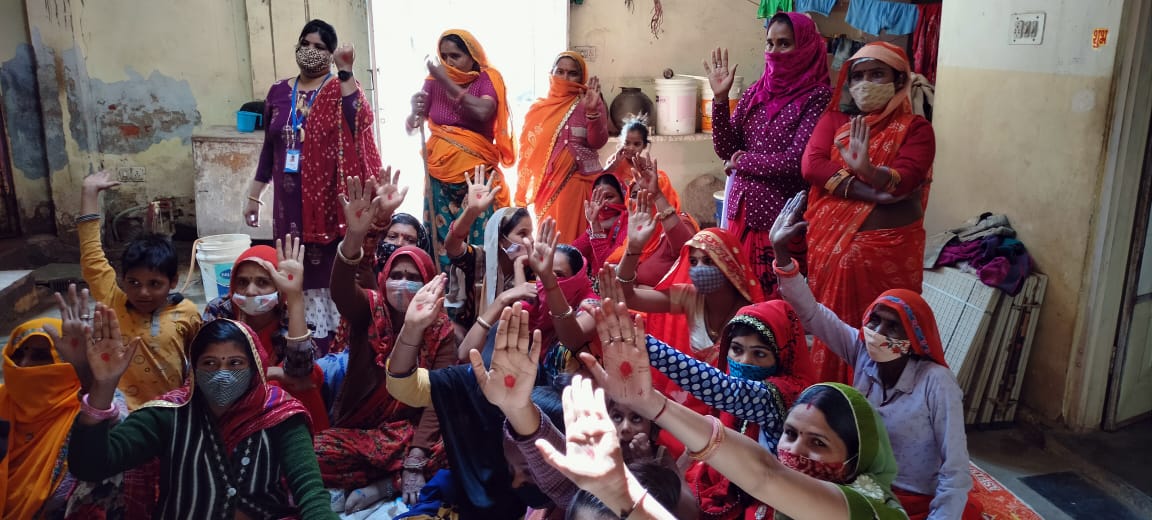

February 4, 2021
Tapabana Basti, Ward 63, Bhubaneswar
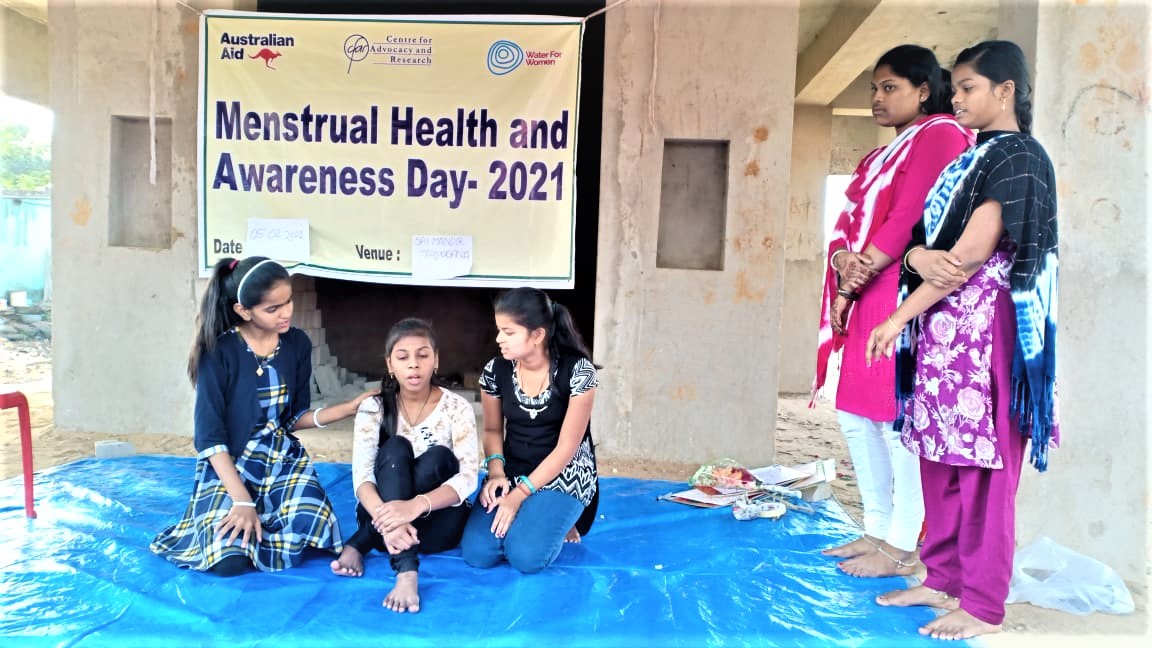


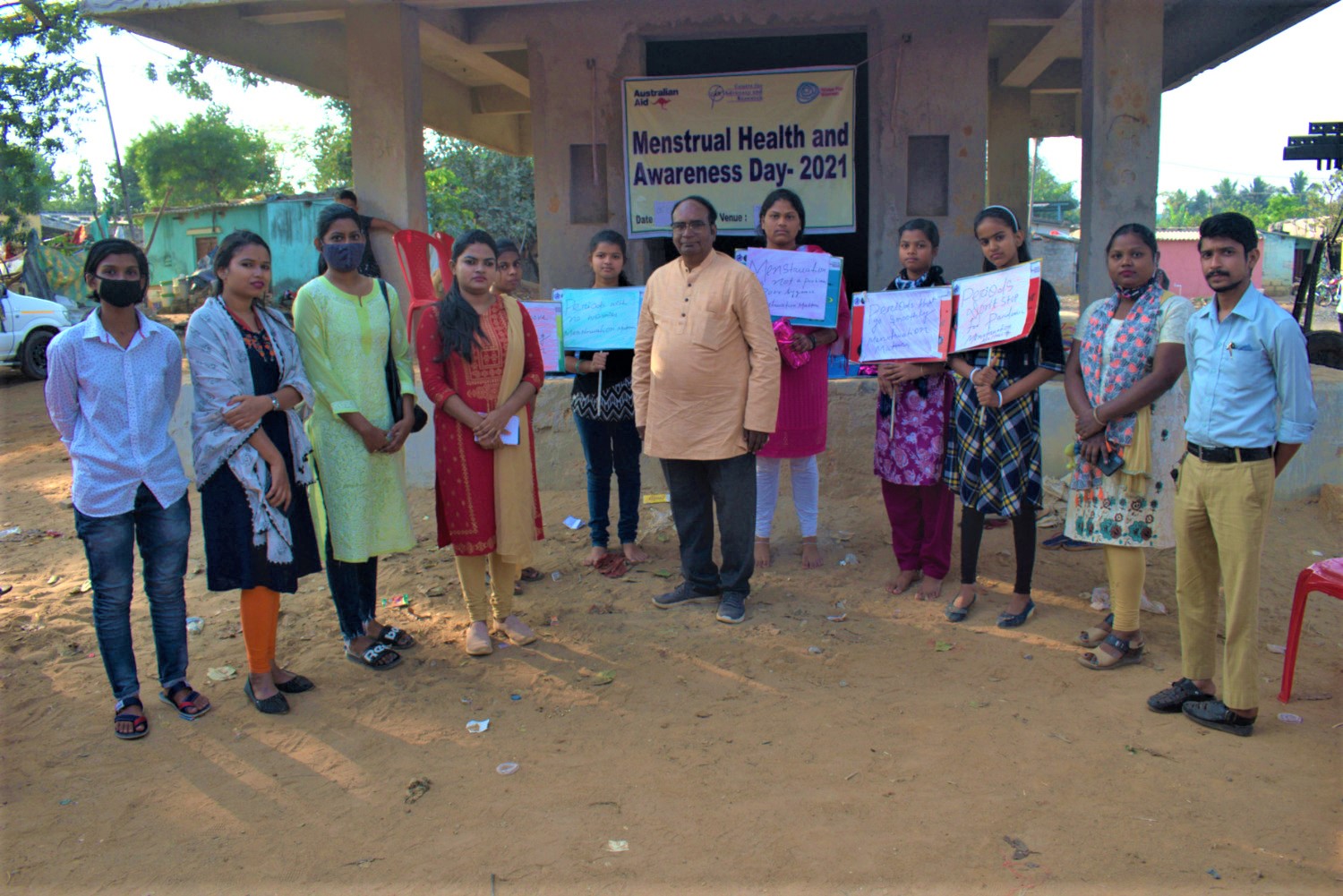

February 4, 2021 Jaipur
Upper Primary School, Transport Nagar, Jaipur
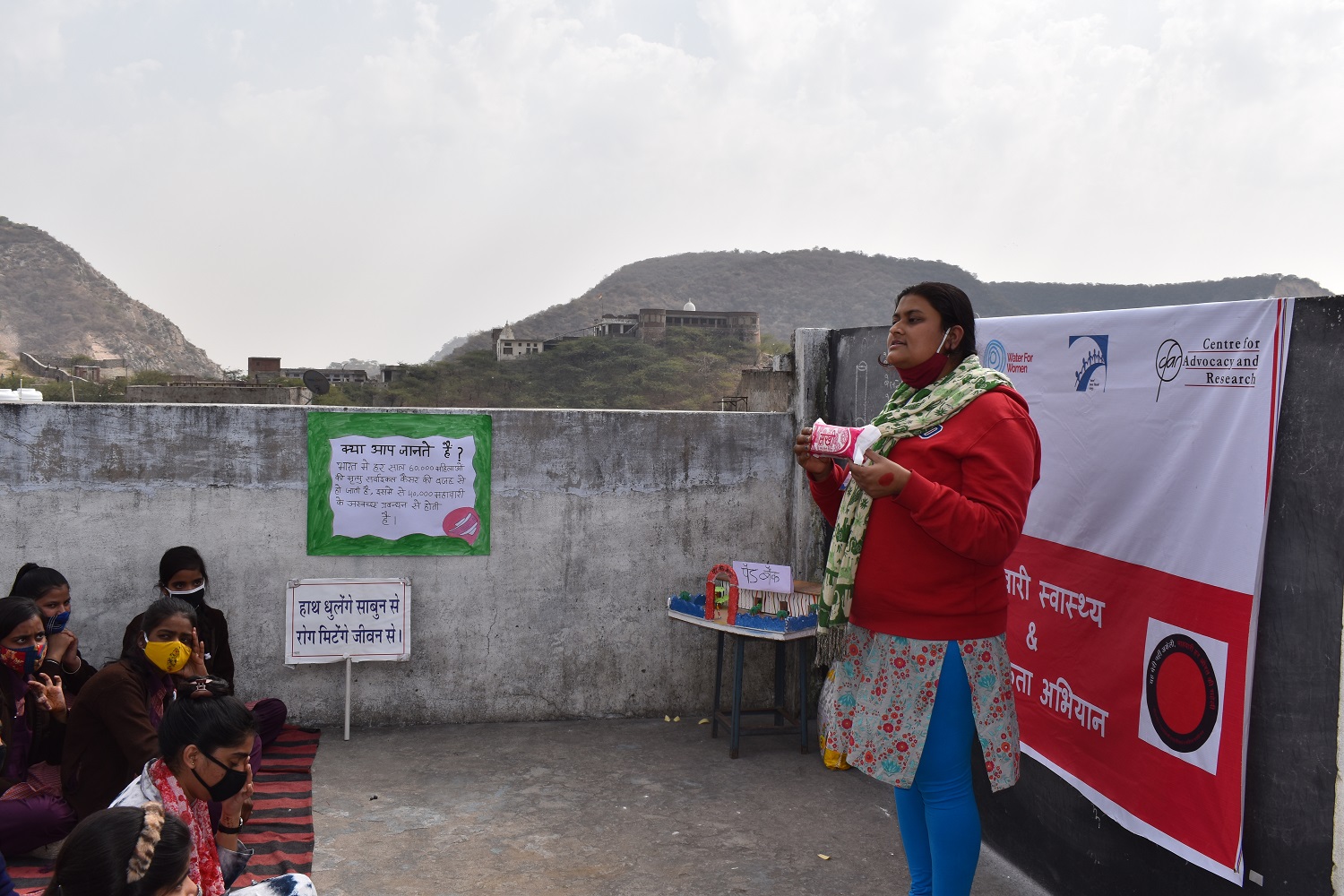
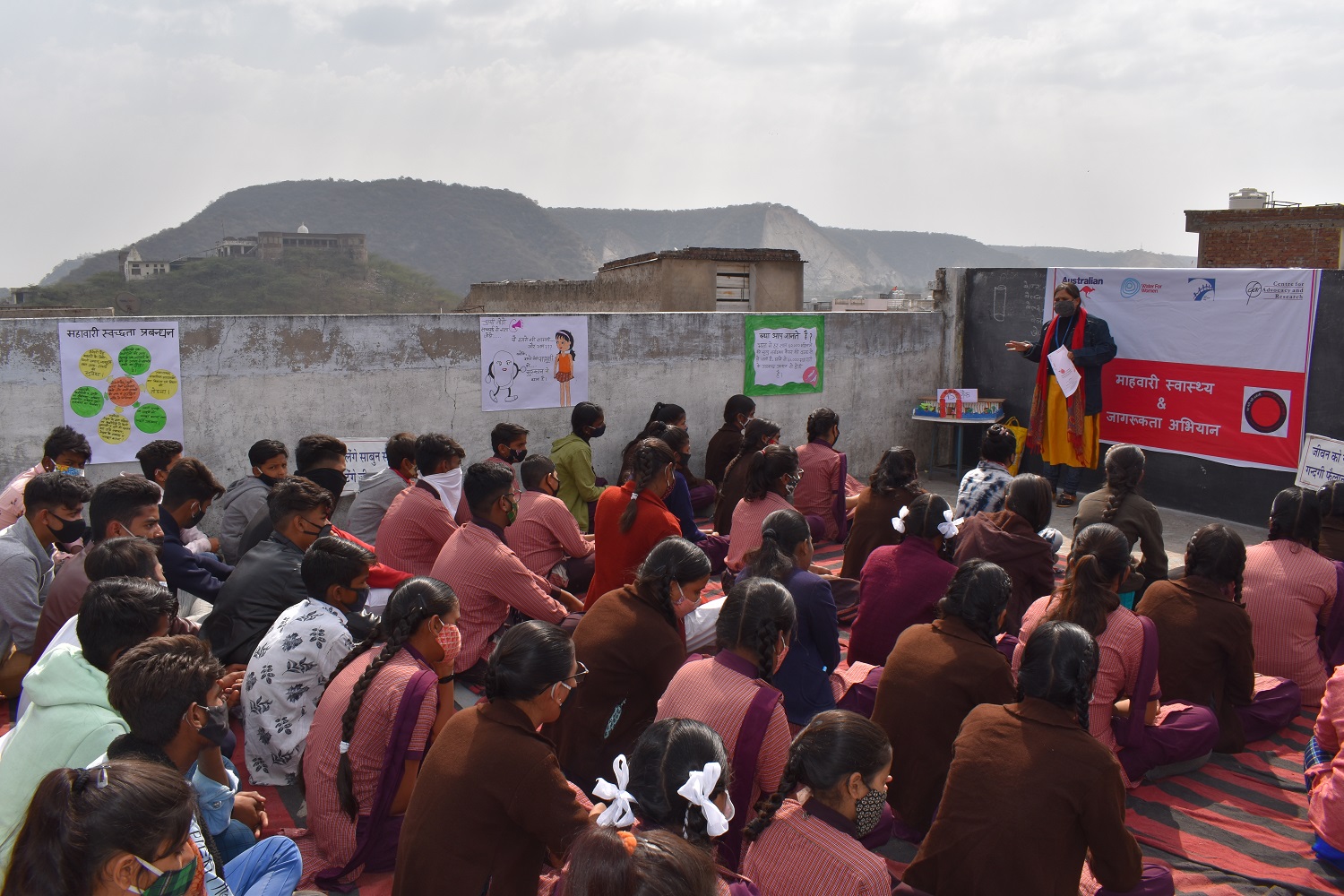
MHM session with boys
Girls feeling shy to talk about menstruation is due to a flaw in our upbringing. When the chapter on reproduction is taught in class, girls feel shy. It becomes our responsibility to embolden them to speak up. Savita Sharma, Teacher
I will help my sister get sanitary napkin and also help her in disposing of the waste in the dustbin so that she can follow healthy menstruation practices. Lucky Singh Chauhan, Class 8
I will share information on Menstrual Health Awareness with my younger sister and help her understand the importance of menstrual health hygiene. Neeraj Yadav, Class 9
Girls should not miss schools during their periods, and boys should help them in whichever way they can.” Ravi Kumar, Class 12
February 4, 2021 Jaipur
Sharda Shiksha Mandir, Amagadh, Jaipur
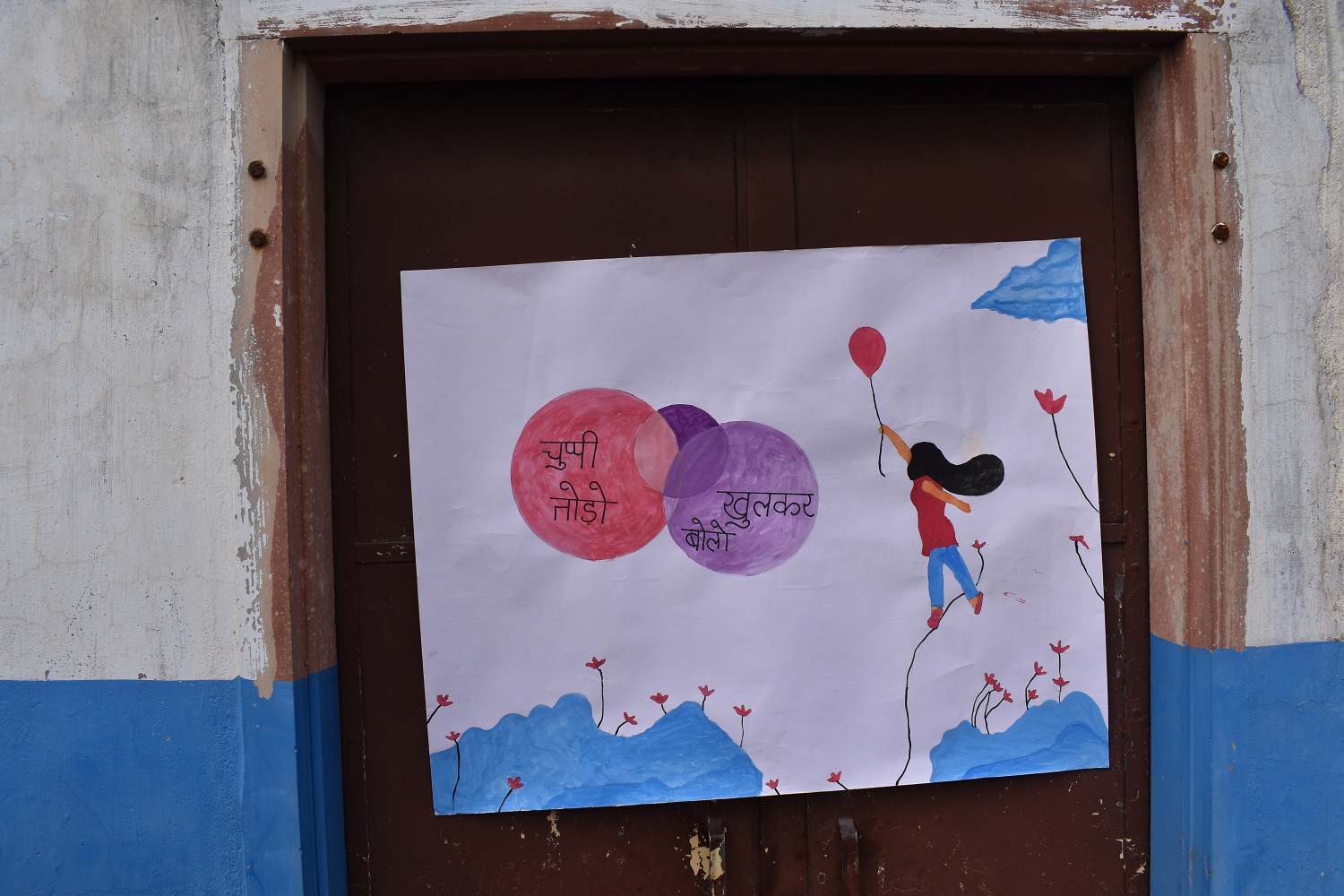
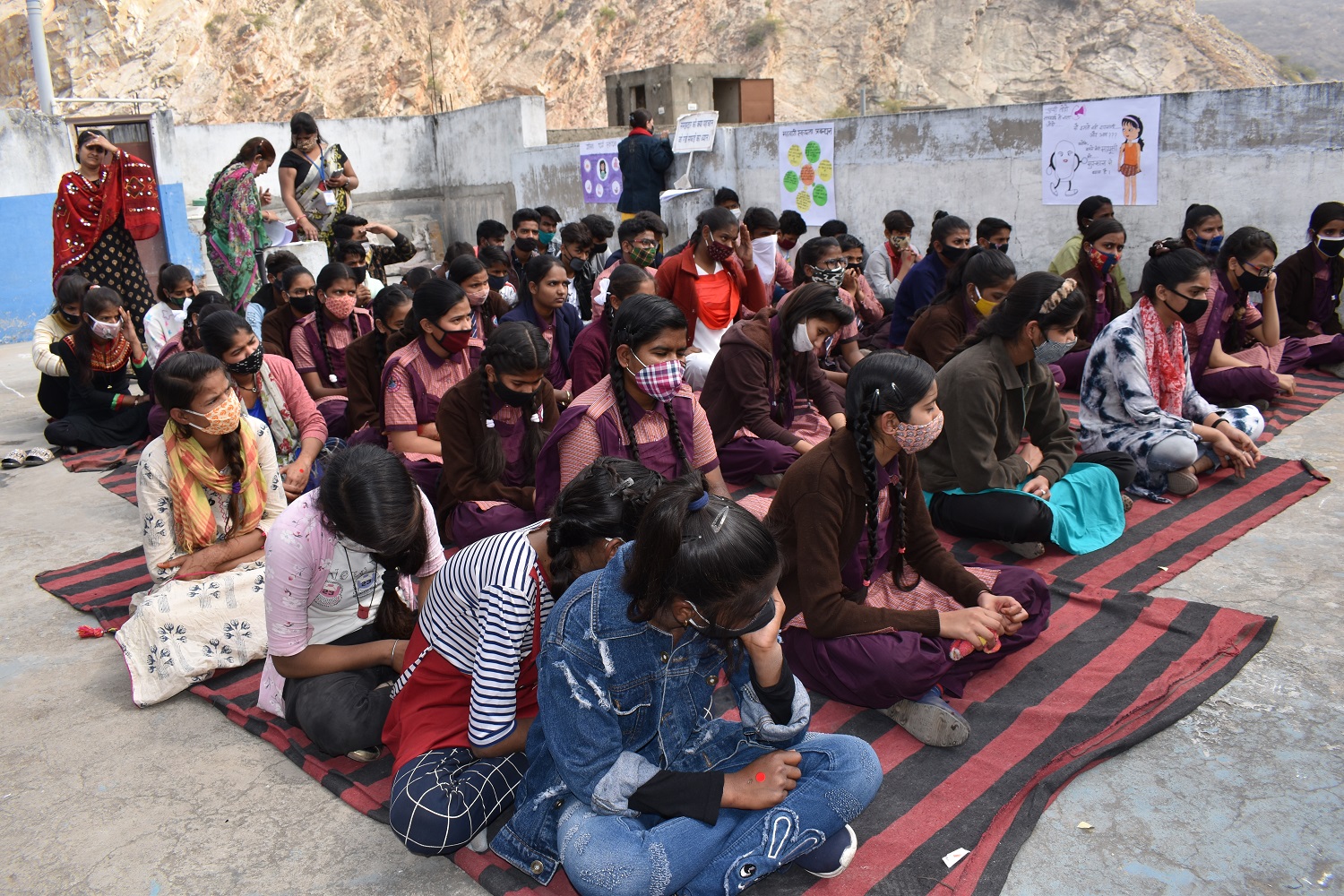
Role-play – Happy Periods Day – Ab Pata Chalne do/Hopscotch Game on MHM

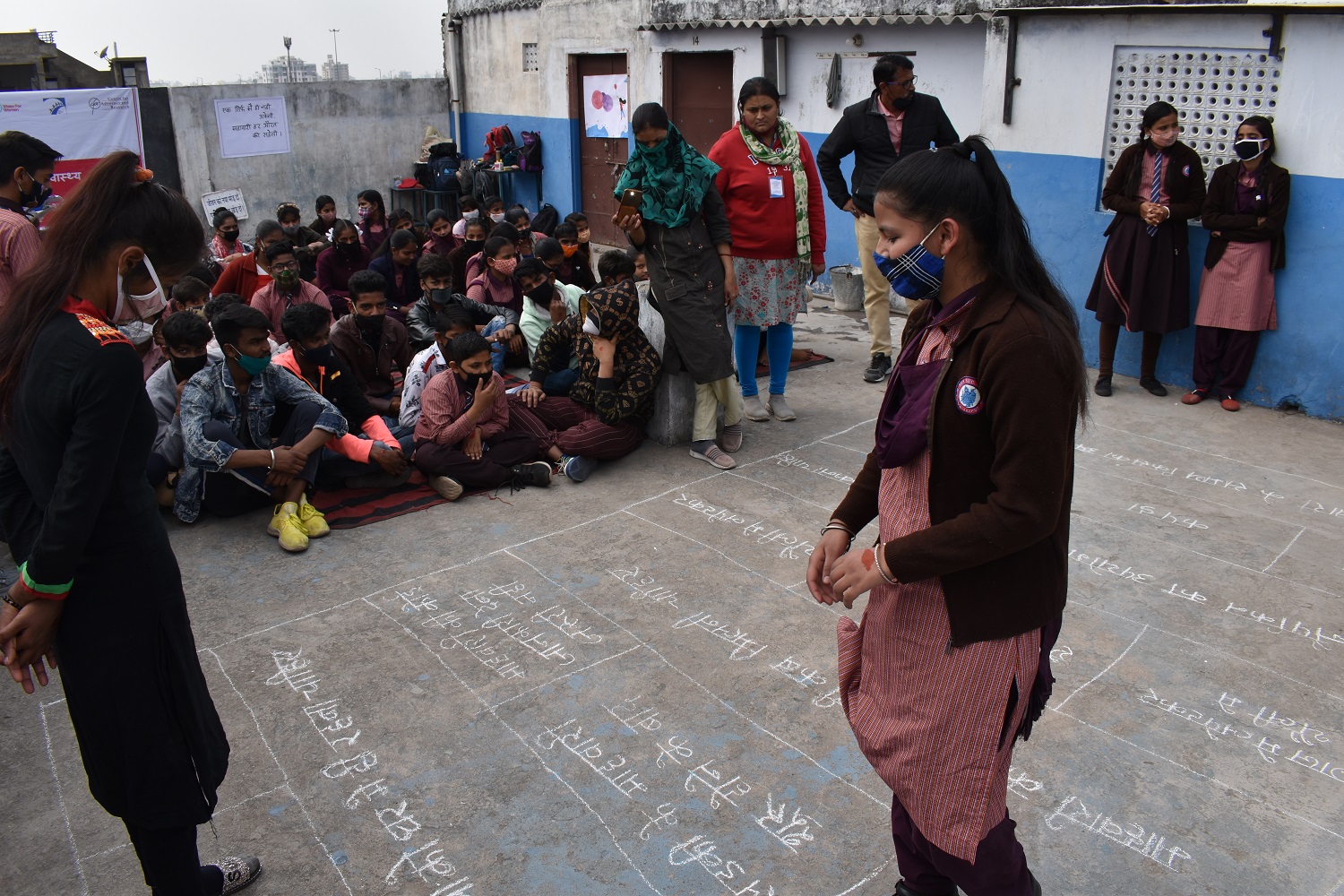
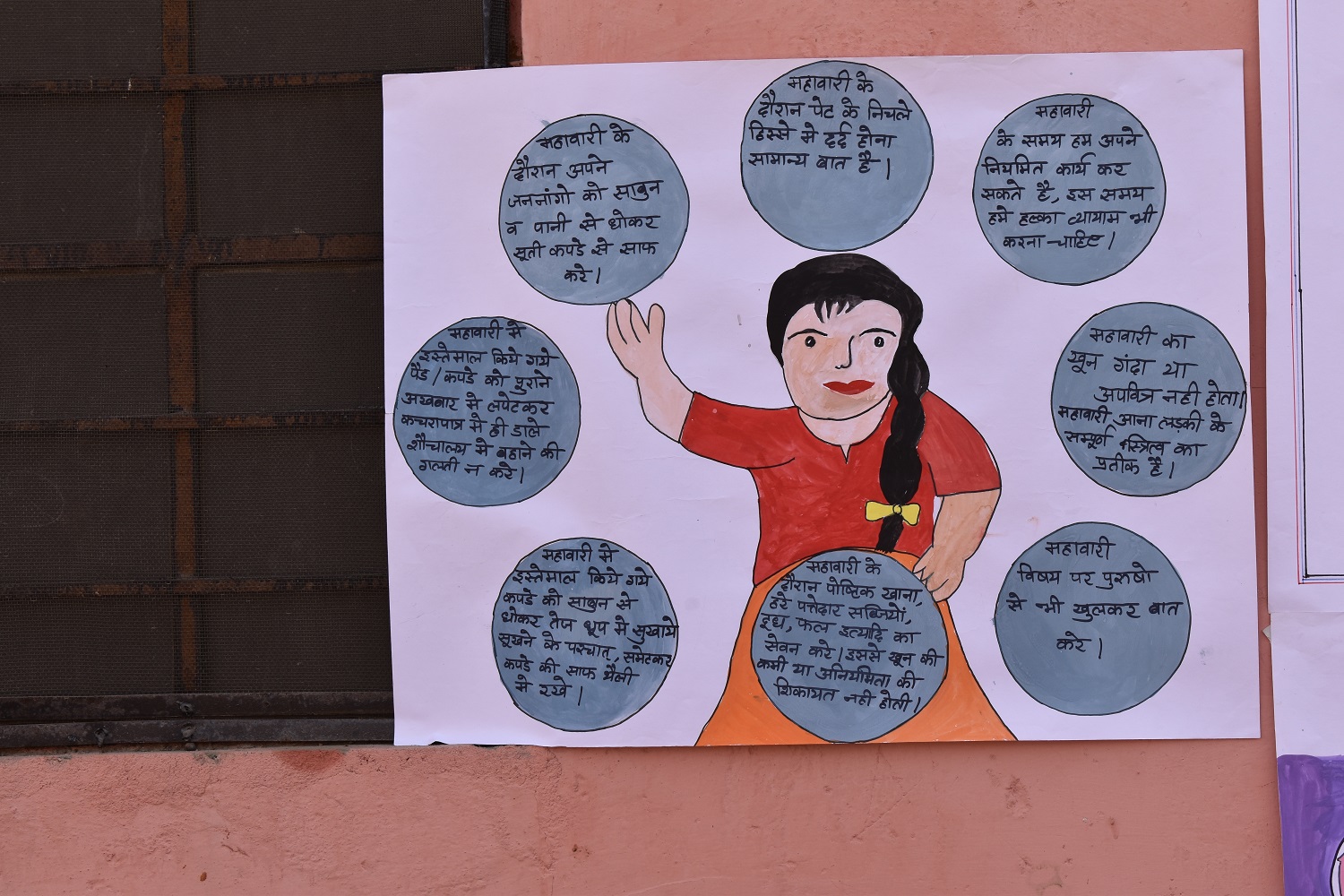
Besides using a napkin, we should also ensure personal hygiene, including washing hands before and after using pads. Girls should be encouraged not to miss school but take periods in their stride.” Sarita Taylor, Pariwar Sewa Sansthan
Such campaigns in schools help students overcome their hesitation and actively participate and share their period concerns. Tara Chand Choudhary, Principal
These events bring positive changes in our behaviour and attitude. Now I am more aware about my menstrual health and I use sanitary napkins which I get from the pad bank. Choti Nakula
At home, my mother tells me not go out for any work during my periods, but my teacher says that we should not limit our activities during menstruation but be active, eat good food and do light exercise. Afreen, Class 10
We have been taught not to throw our menstrual waste on streets, causing inconvenience to others and damaging the environment. We should segregate the menstrual waste, wrap it in newspapers and then throw it in the dustbin. Megha Tontyat, Class 9
February 4, 2021 Jaipur
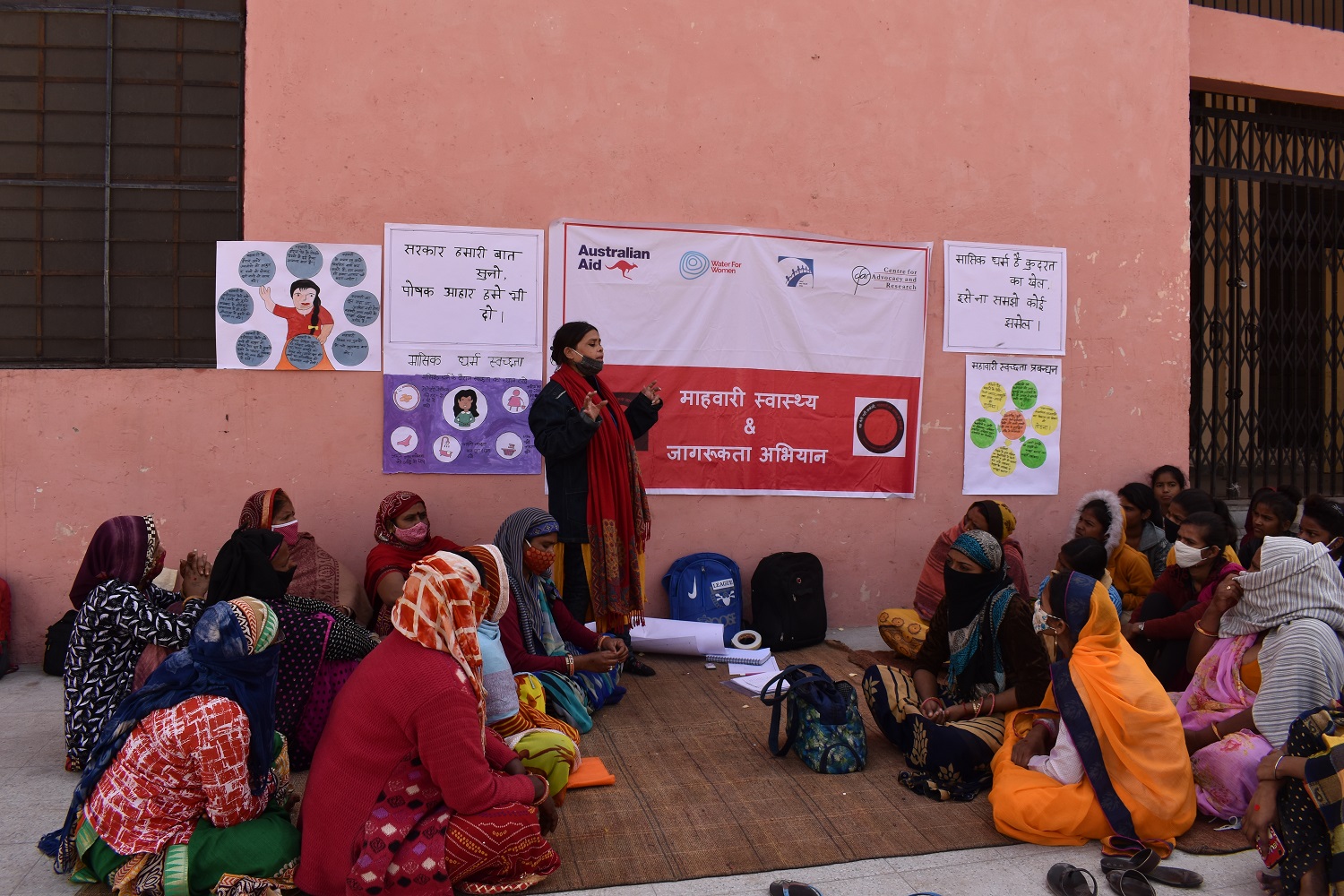
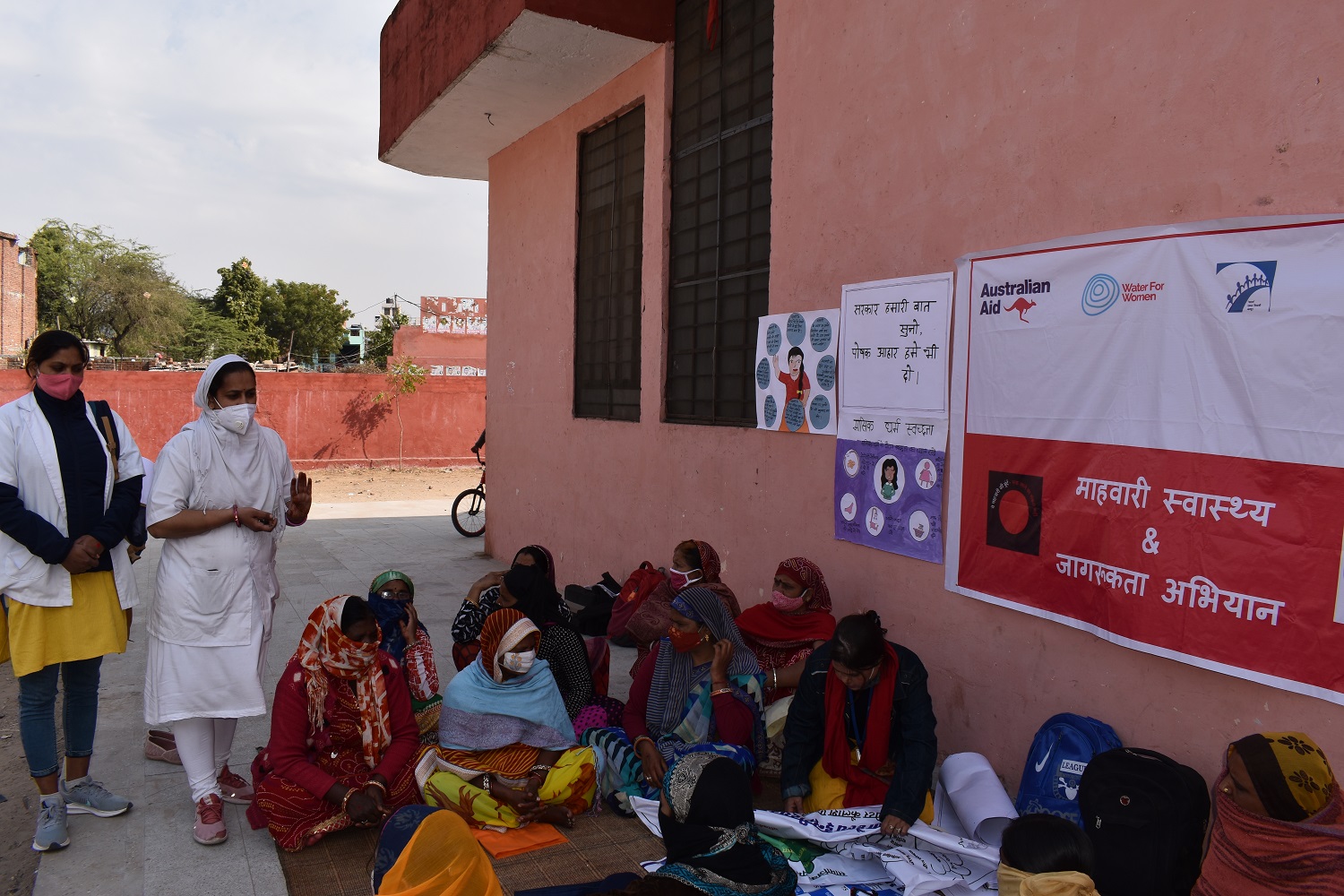
Janta Clinic, Jaipur
MHM quiz and discussion with health experts on myths and taboos on MHM, role-play on different responses to MHM.
February 5, 2021
Gadakana School, Bhubaneswar
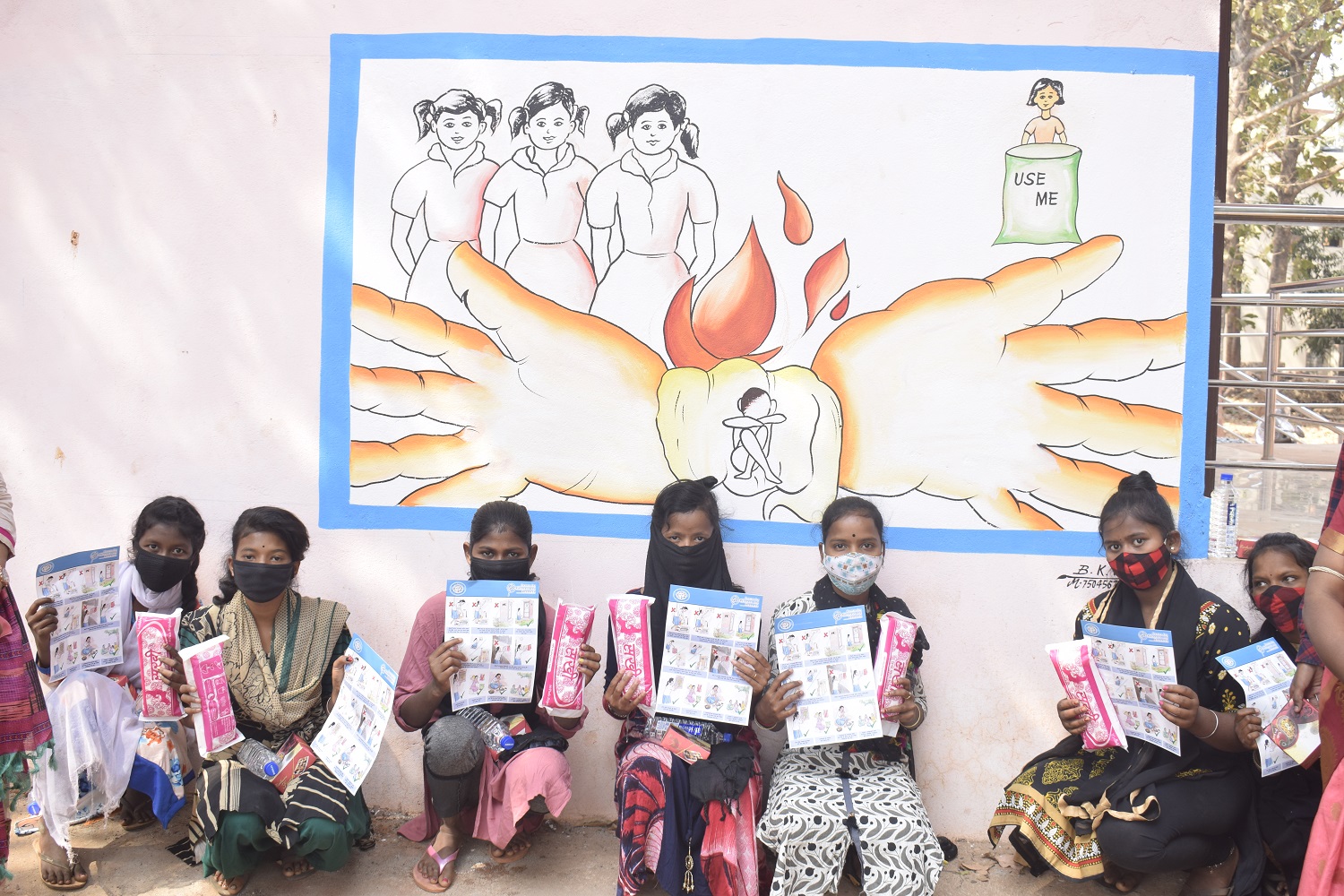
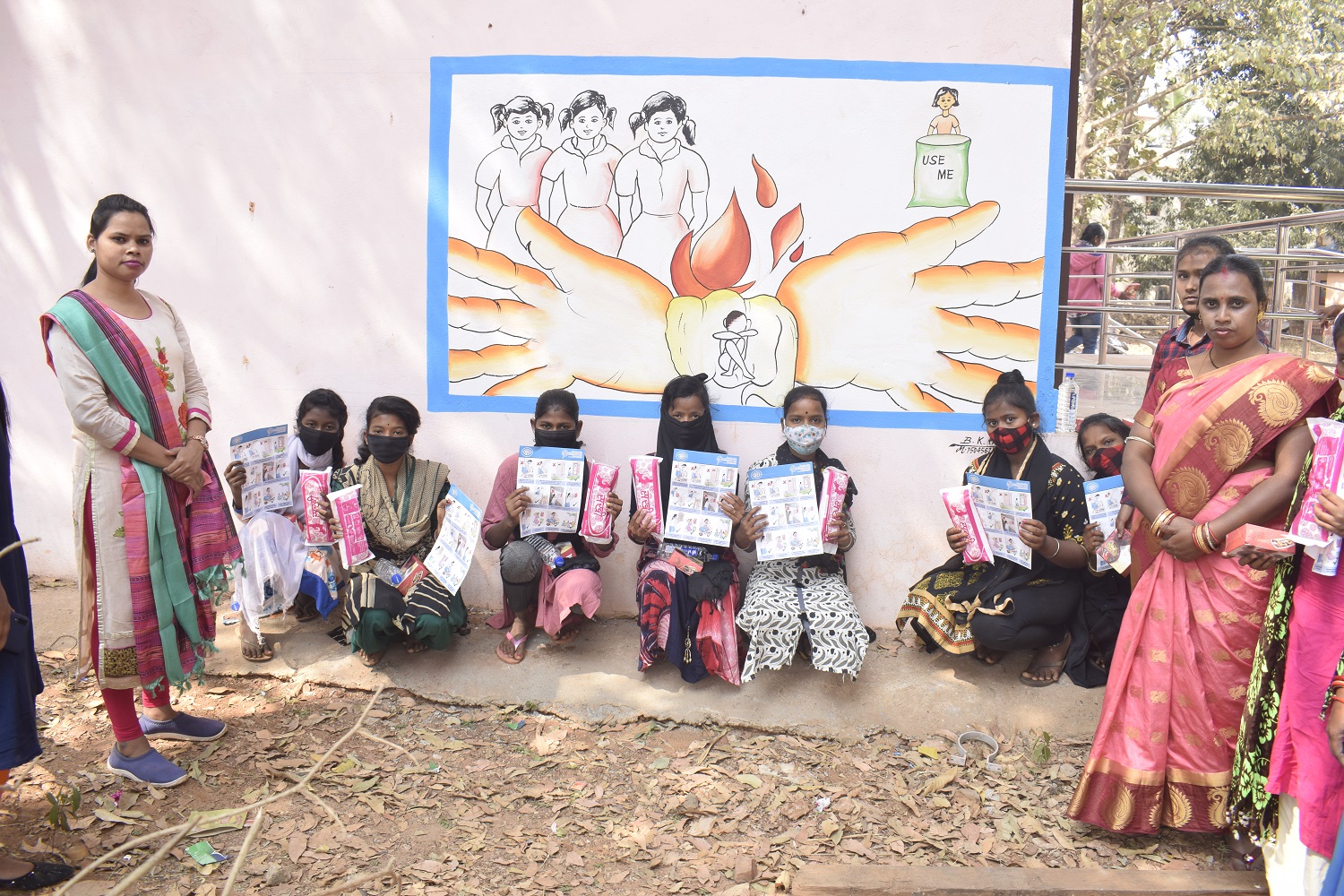
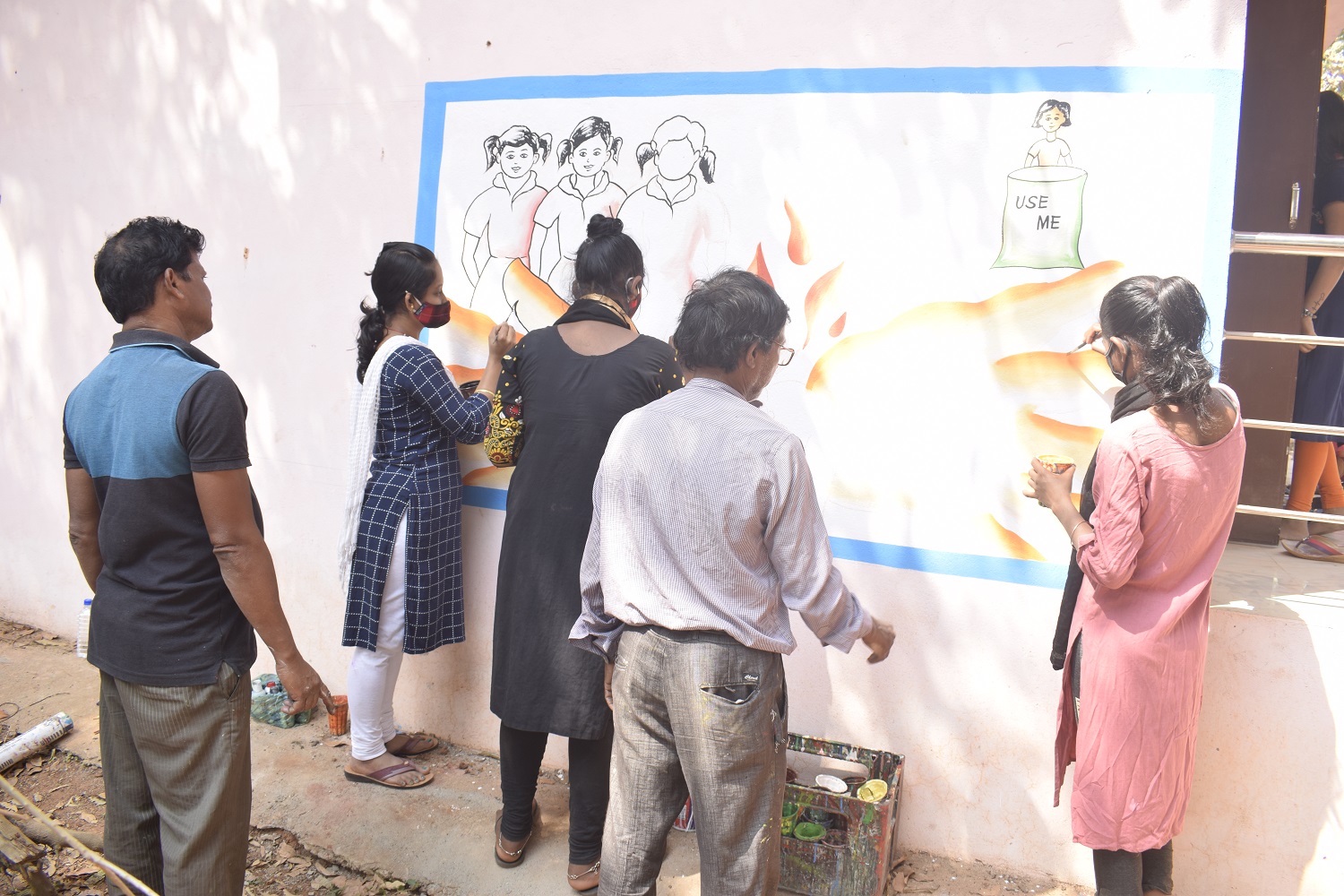
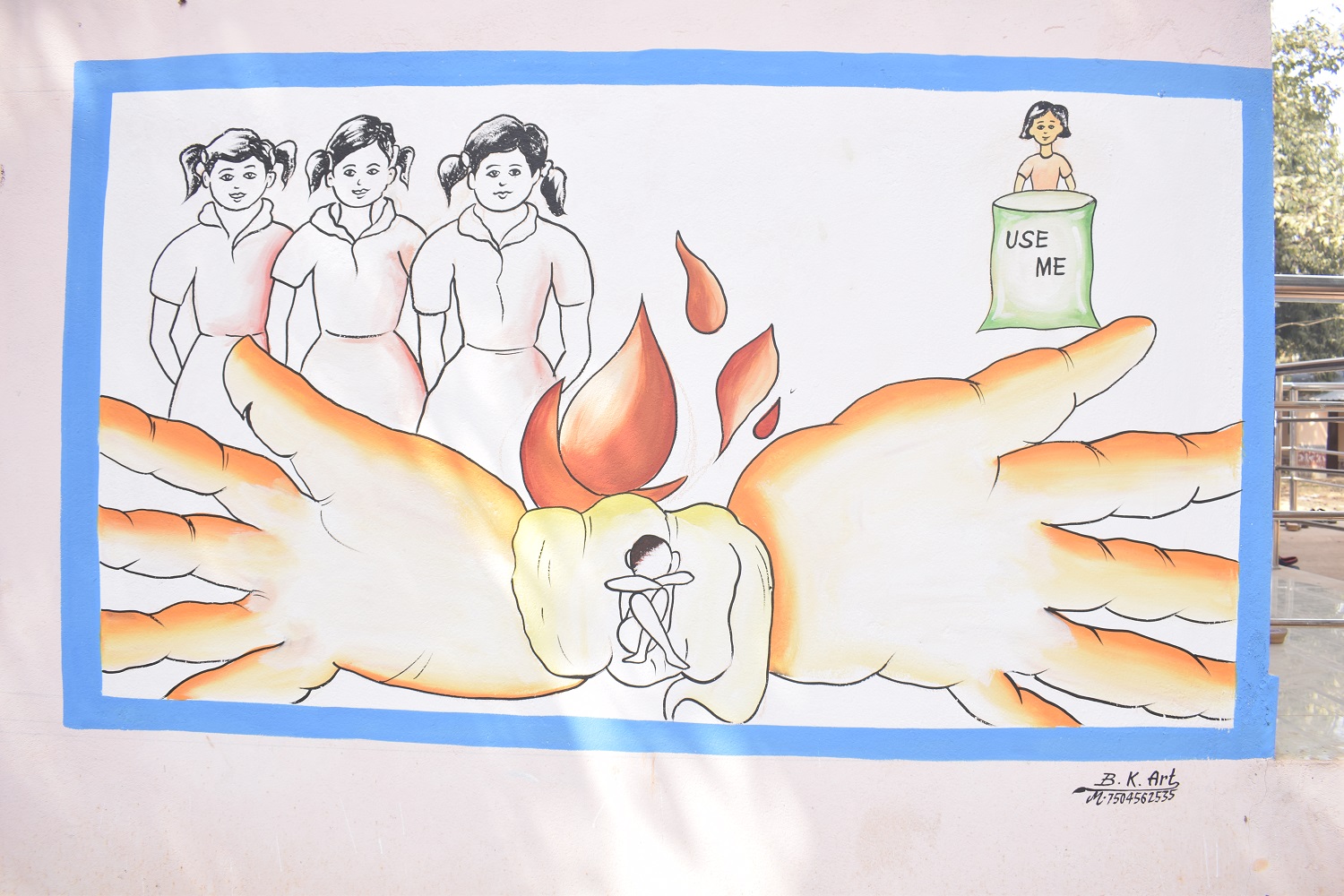
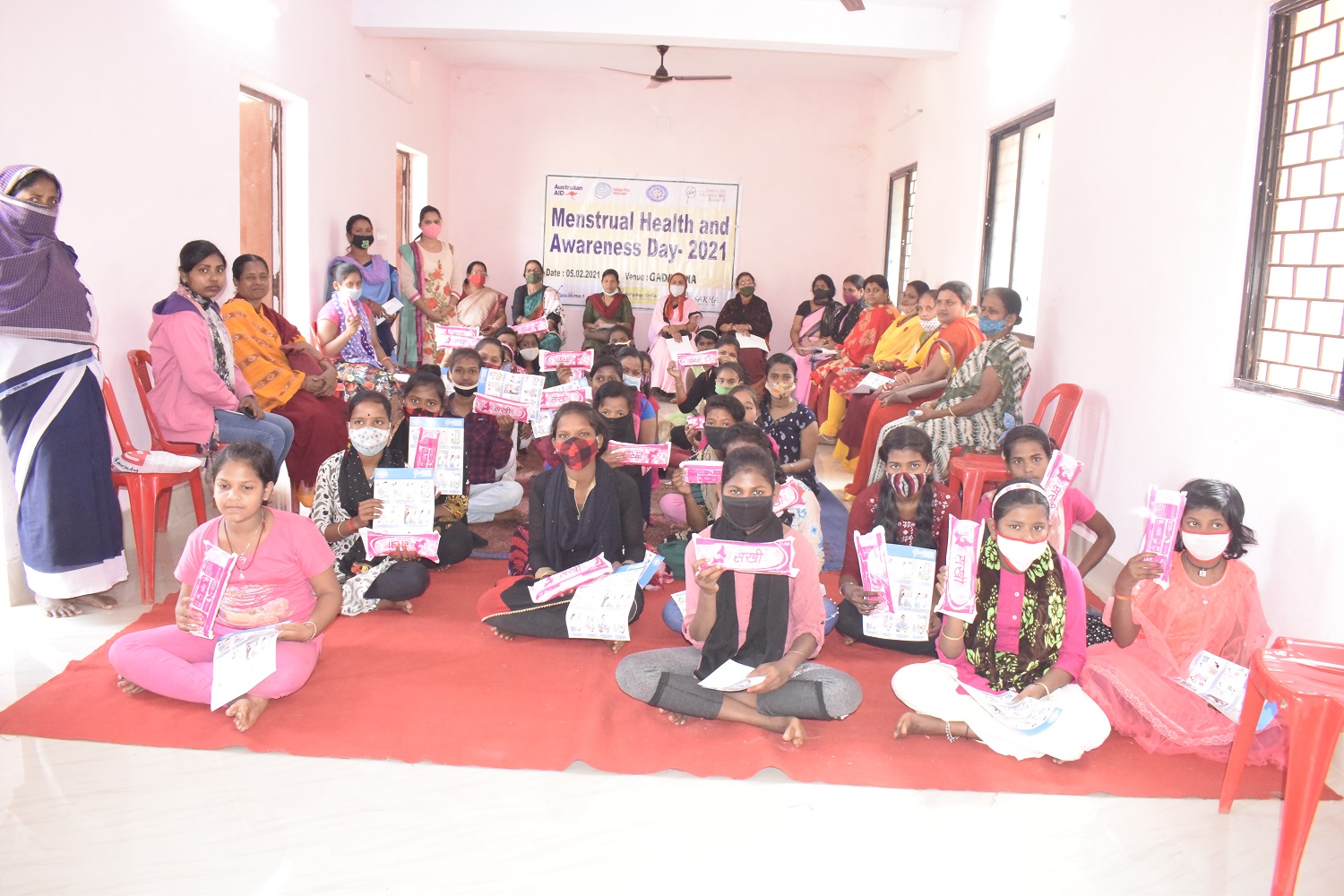
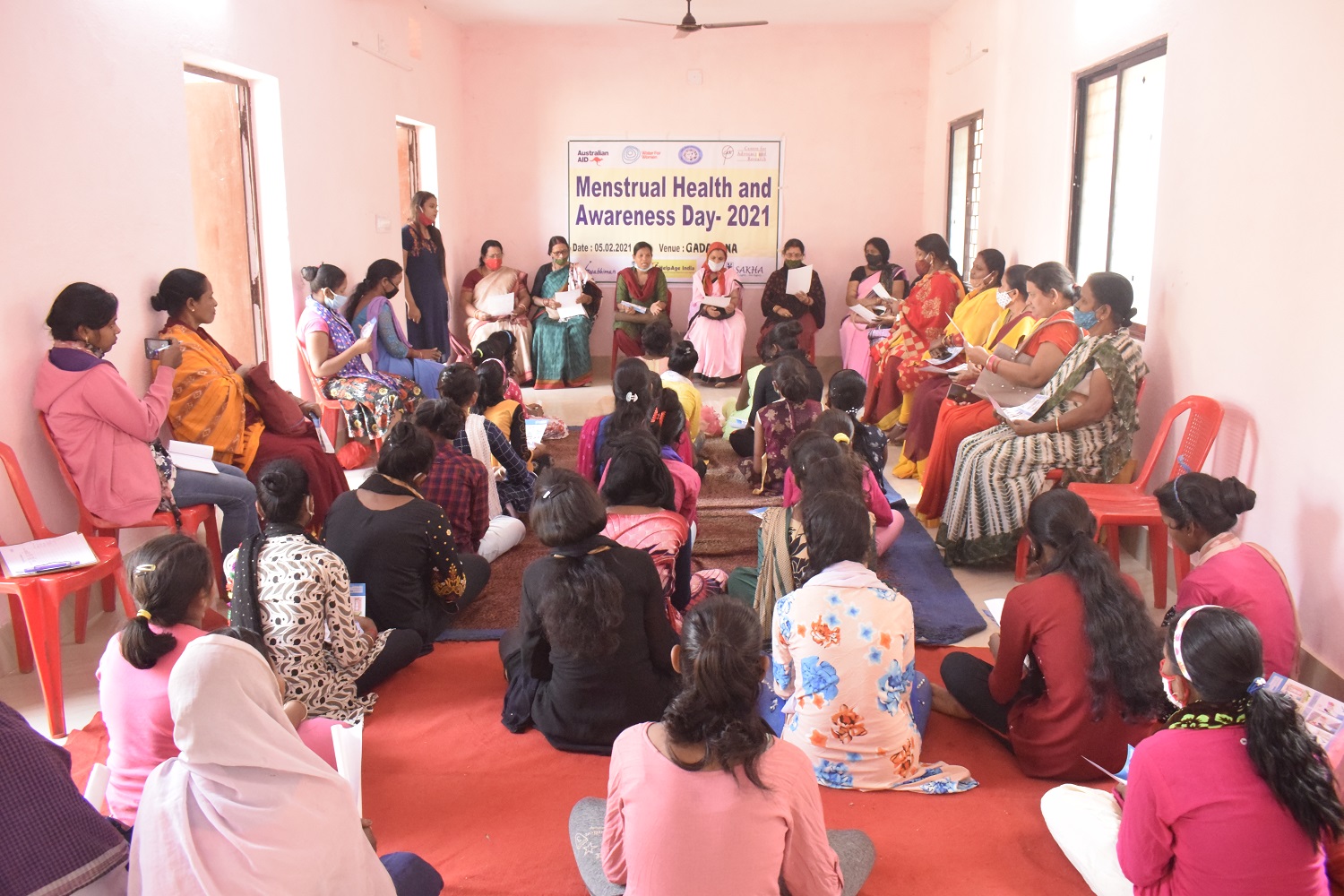
Wall painting on MHM; meeting with health experts, adolescent girls and mothers, street play on MHM and meeting with health experts, debate and quiz
The Menstrual Awareness and Hygiene Day gave 30 students of Gadakana School in Ward 9, Bhubaneswar an opportunity to draw attention to and demand the integration of menstrual hygiene services in schools, anganwadi and health centres.
To highlight their trials and tribulations at school with very little or no access to menstrual services, institutional or peer support, the boundary wall of the school was painted with a powerful illustration depicting the distress girls and women suffer during periods while others do not play a supportive role. The evocative wall painting reached out to boys and the men in the community to sensitize them on the issue and seek their support.
The girls had very engaging discussions with frontline workers on the lack of awareness and sensitivity in the community and appealed to them to support them is dissemination of information on safe period management.

February 5, 2021
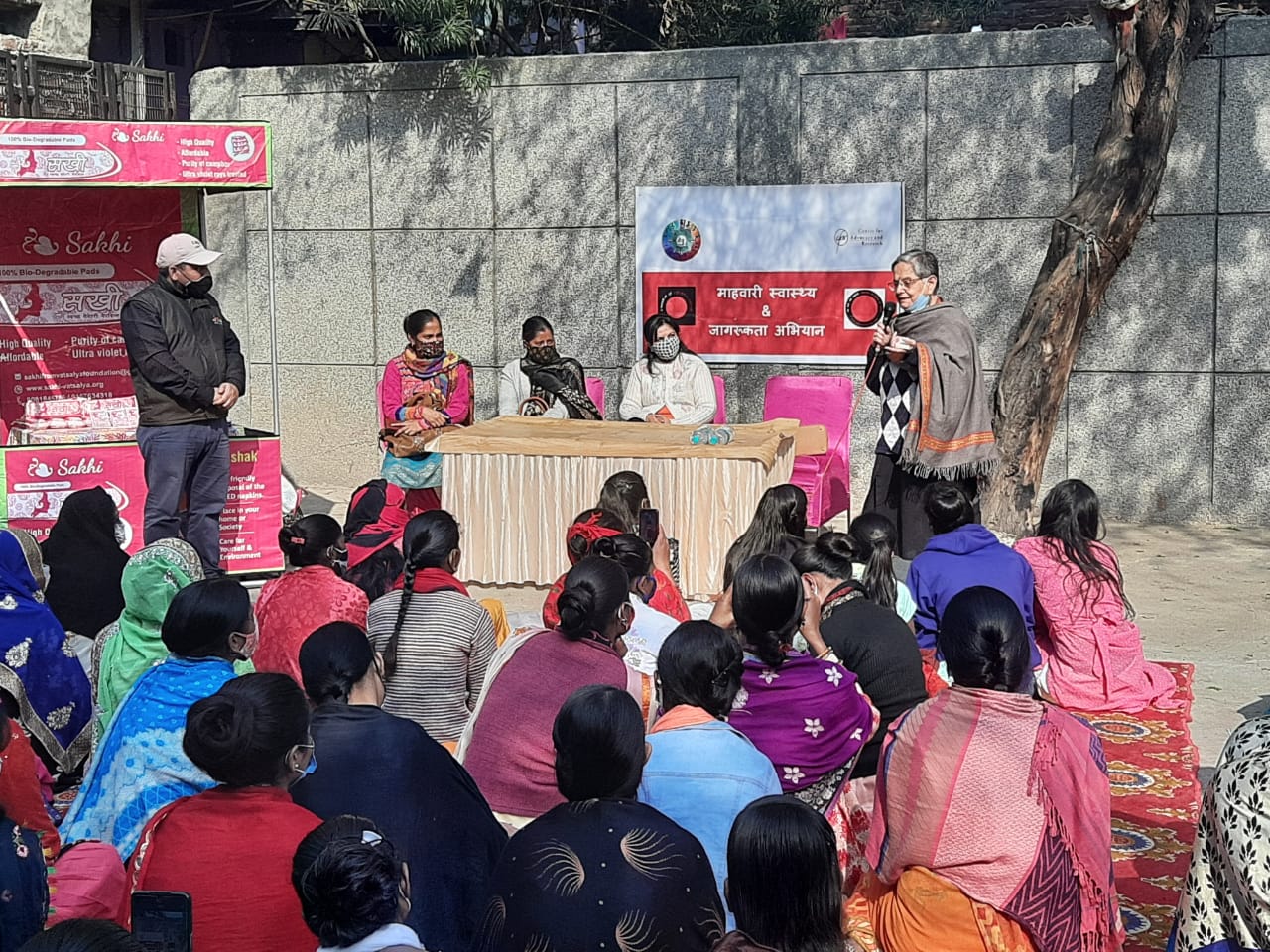
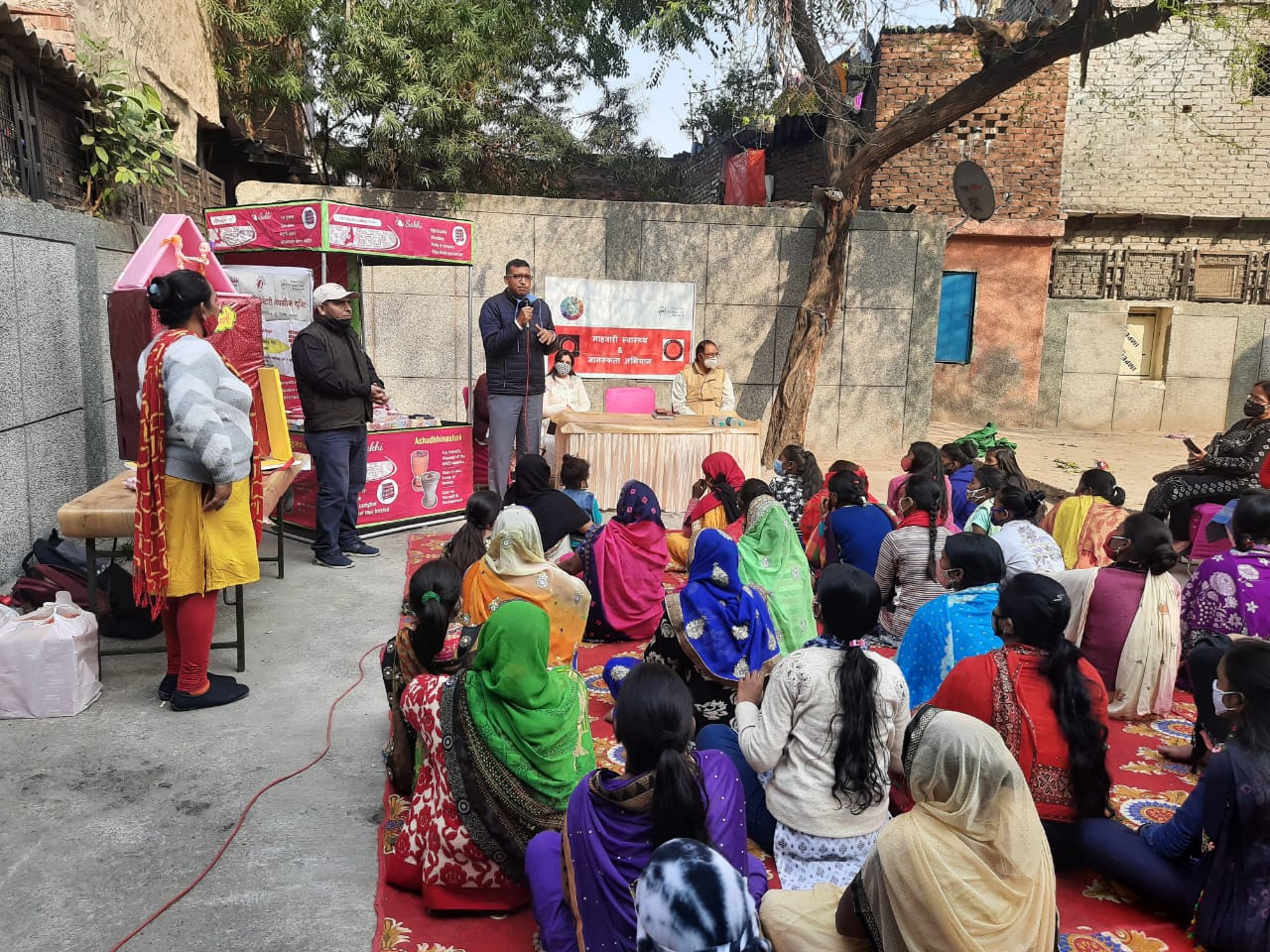
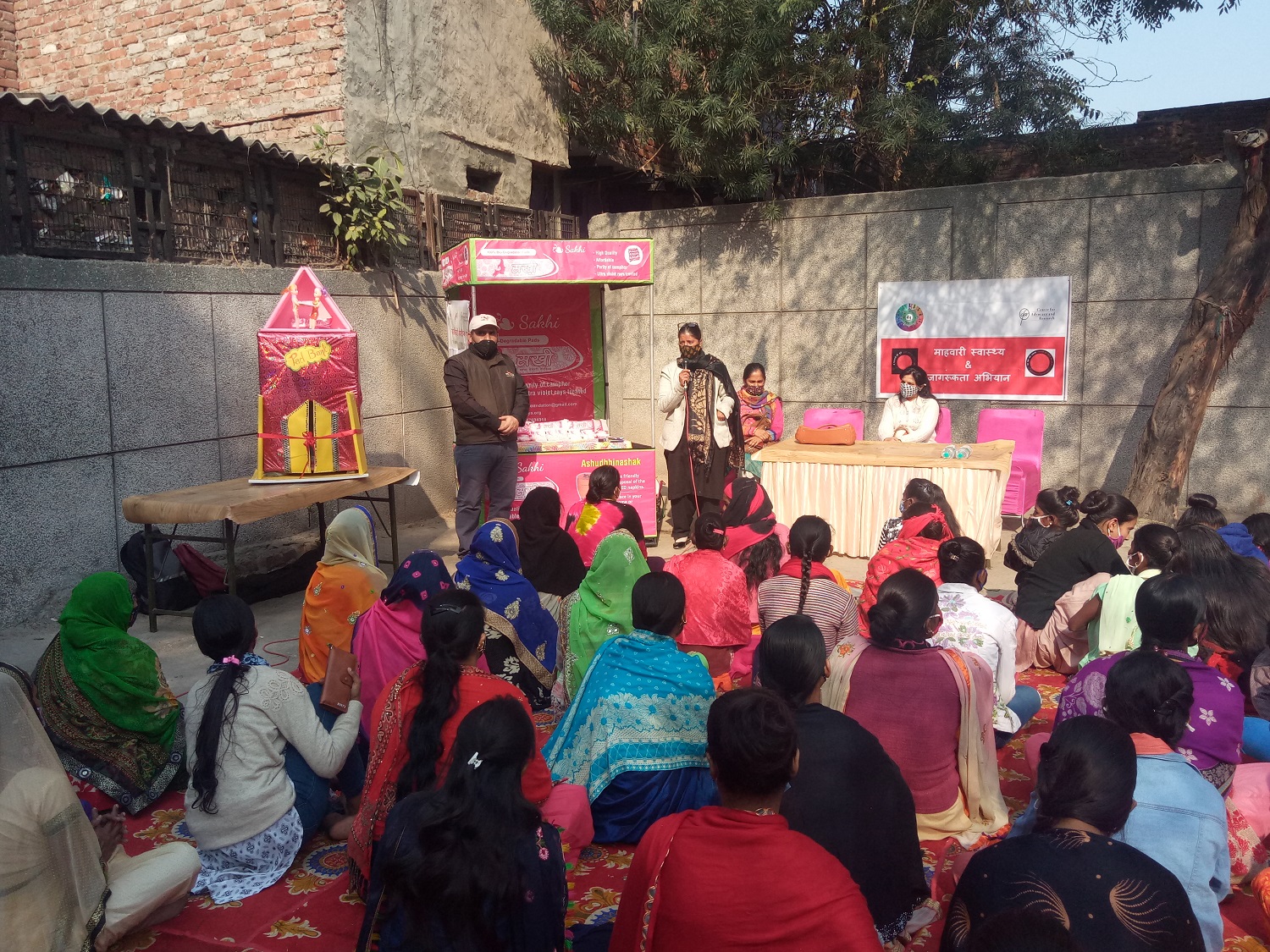
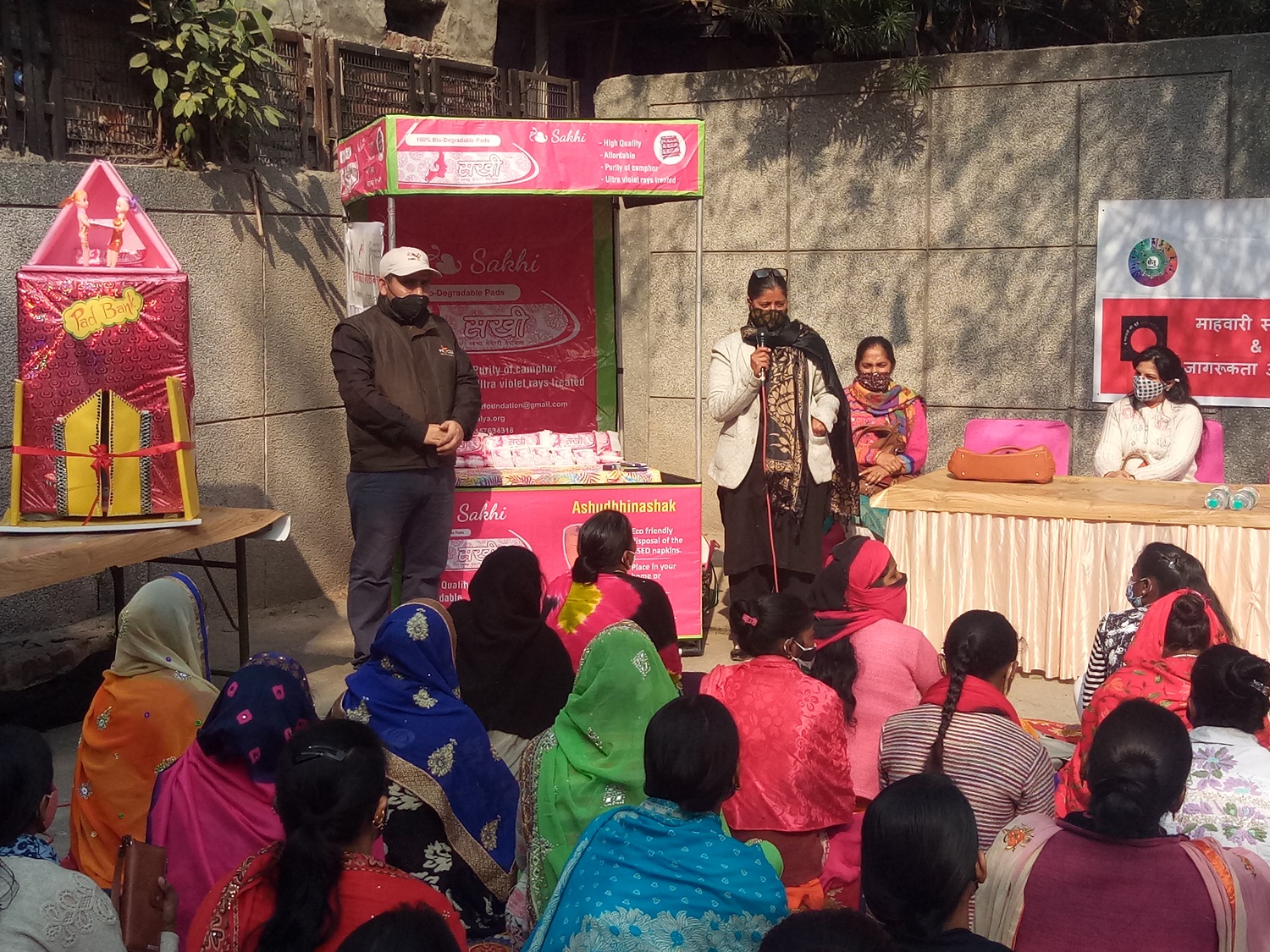
Janta Jeewan Camp, Okhla Phase II, New Delhi
Girls and women inaugurate Pad Bank; ICDS workers conduct sessions on sexual and reproductive health; Session on menstrual value chain adolescent trainers
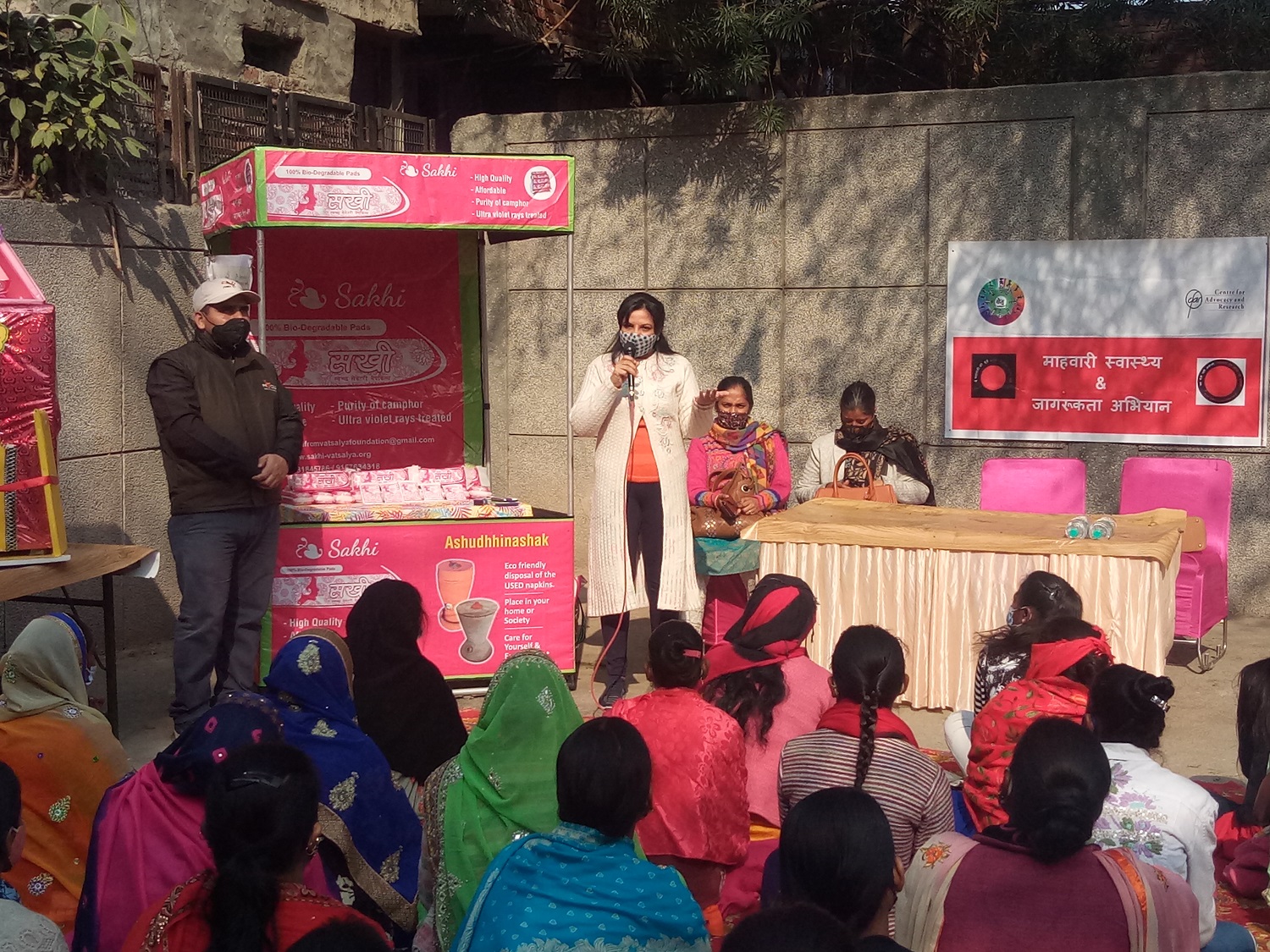
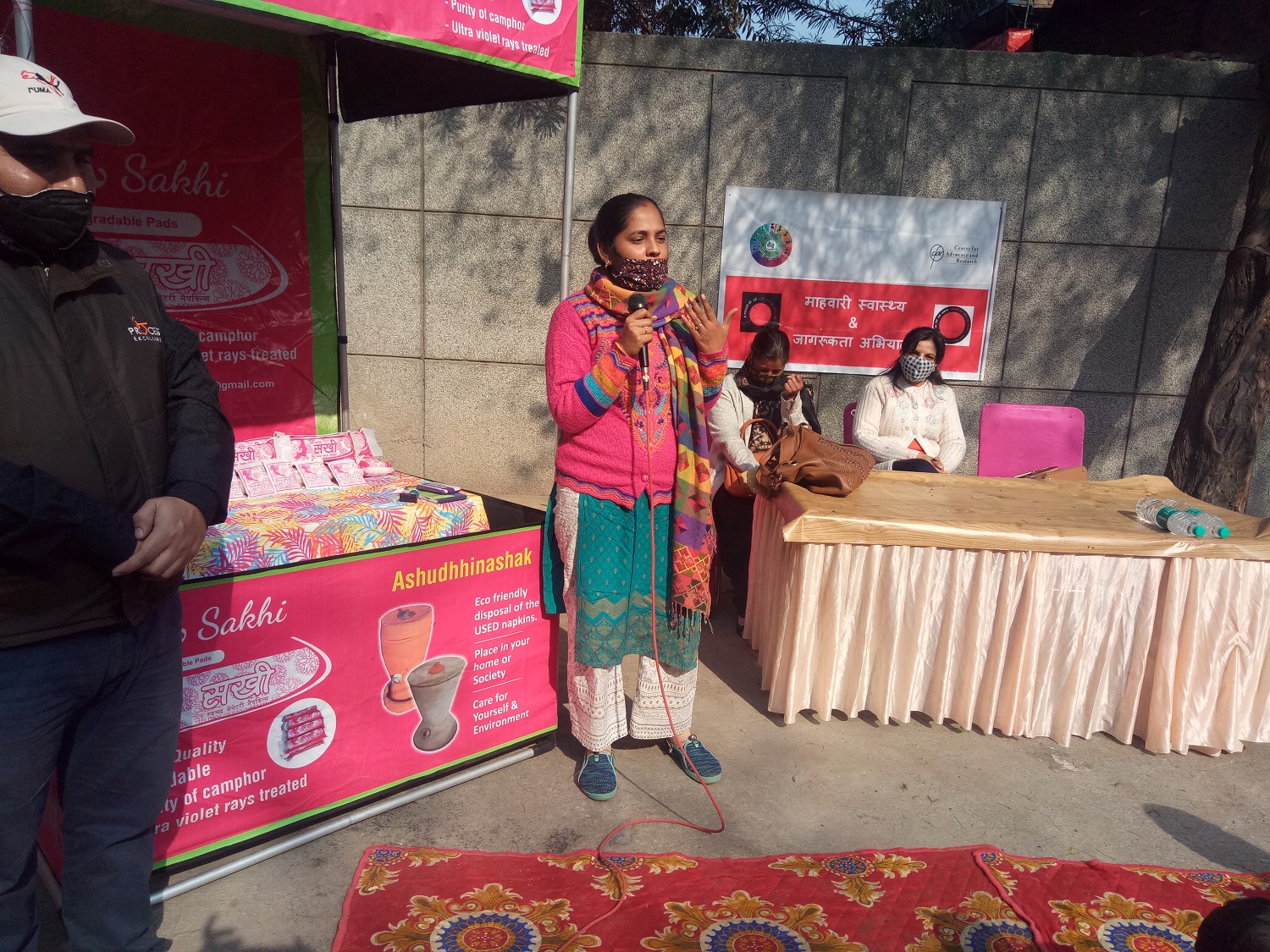
Ms. Anita Ahlawat, CDPO, Okhla inaugurated the Sakhi Pad Bank at Janta Jeewan Camp to facilitate access to eco-friendly sanitary pads for girls and women in the ward.
The idea to set up the Pad Bank was led by 23 girls and women from 9 settlements who are designated as master trainers by the government. The salient aim is ensure access to safe menstrual absorbents for girls and women to manage their periods as well as reduce menstrual waste.
“We do not want to suffer the distress we faced during COVID-19 when no pads were available and we had to manage with cloth. This pad bank will help us get pads within the community,” said Jyoti Yadav.
“Adolescents will purchase pads from the Baba Saheb Sakhi Biodegradable Sanitary Napkin Unit in Janta Jeewan Camp and stock them in ICDS centres in their respective settlements,” added Vidya, who is a Swaccha Grahi and a master trainer on MHM.
Stakeholders present included Kirti Singh, Counsellor, District Legal Services Authority, South east; Dr Sudha Vohra, Disability Expert, Director ASTHA; Ms. Reema Singh, Secretary, ASTHA; Mr Vinay Stephen; Sadik Masih Medical Servants Society; Ms Vidya, Ms Jyoti, Ms Kamlesh, Ms Sapna, Ms Mukesh, Ms Pista, Ms Radha and Ms Seema from Baba Saheb Sakhi Biodegradable Sanitary Napkin Unit.
February 5, 2021
Tila No. 4, Jawahar Nagar and Transport Nagar, Jaipur
Wall painting, open letters, Nukkad Natak
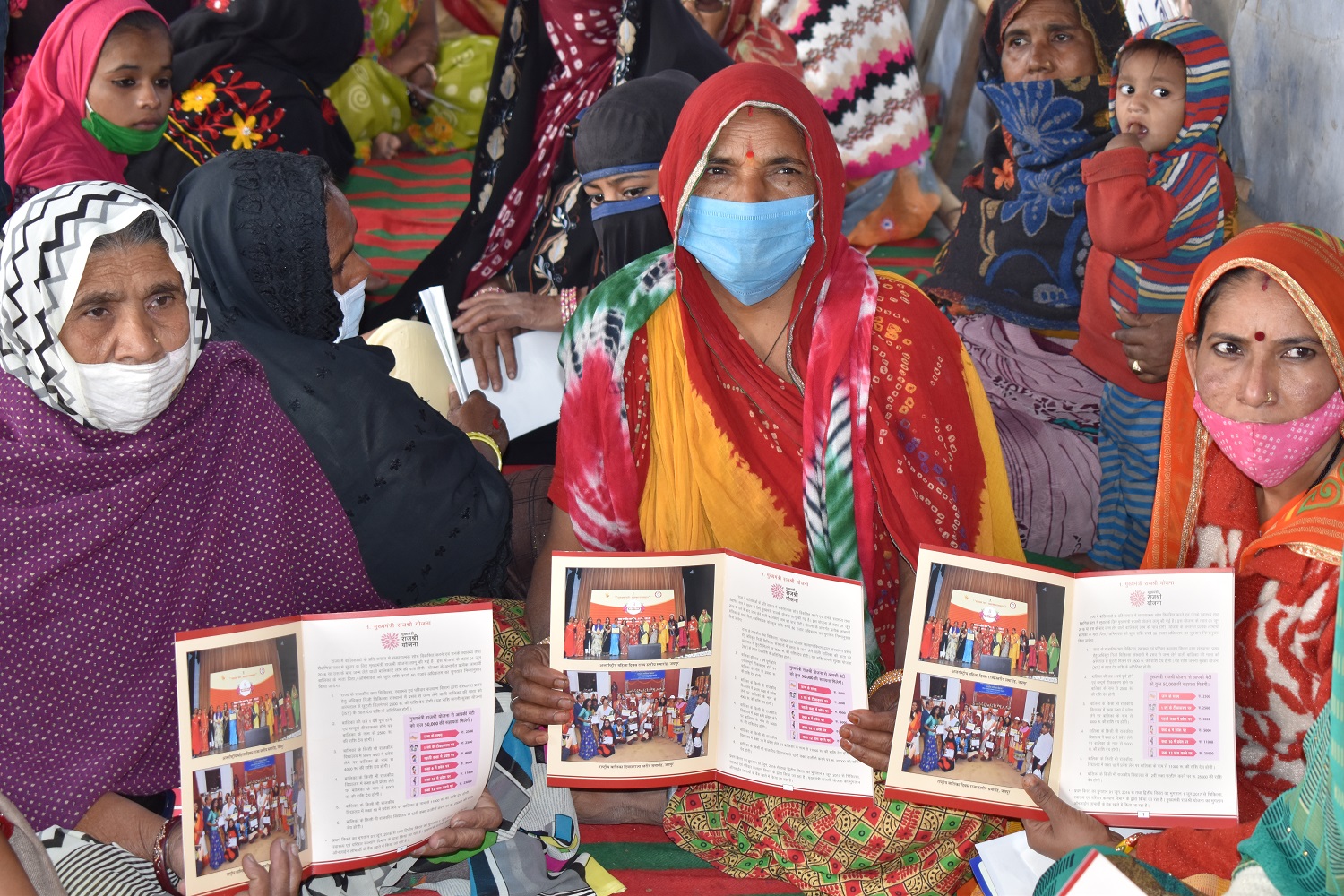
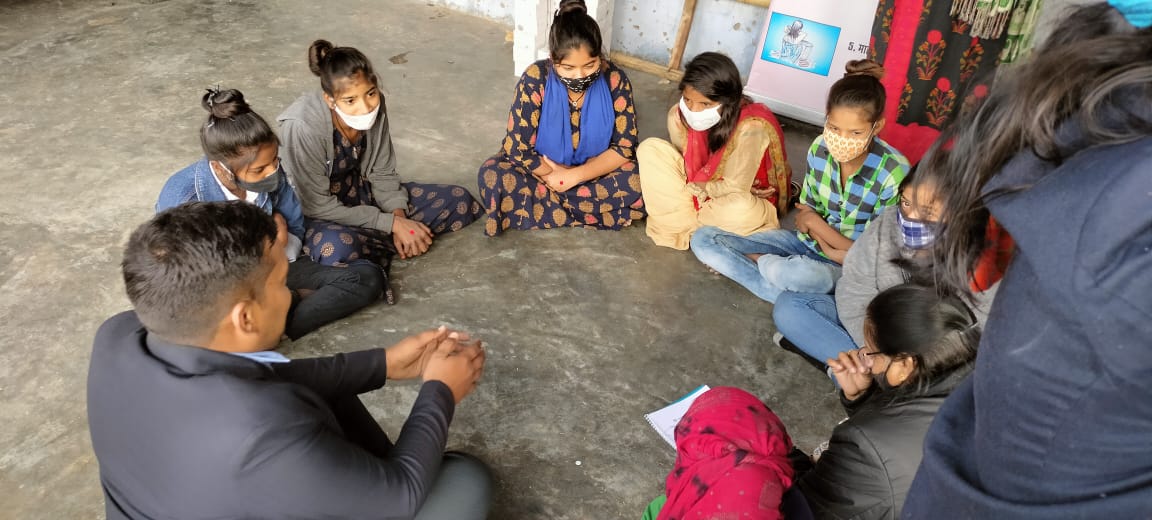
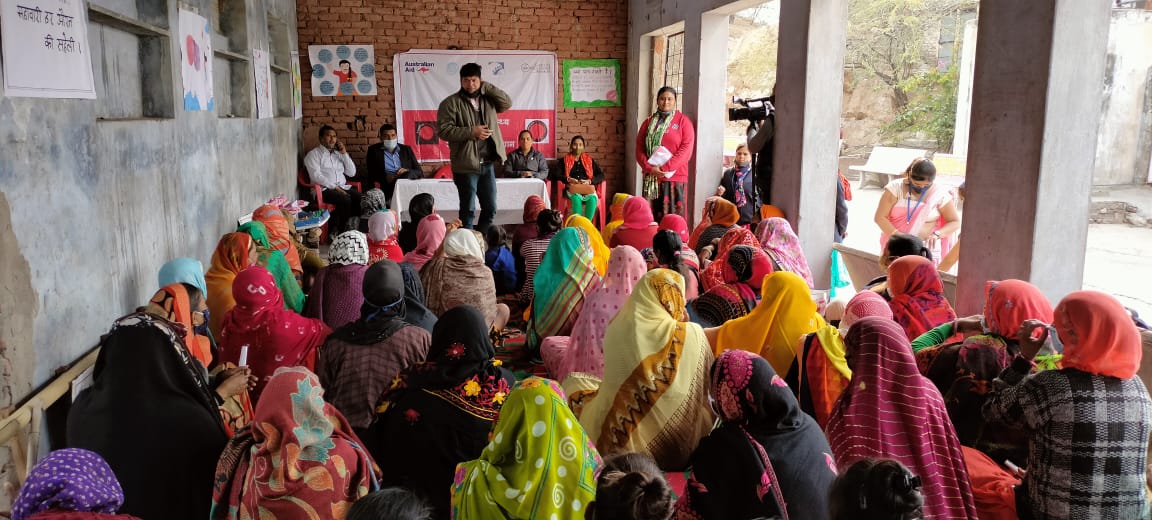
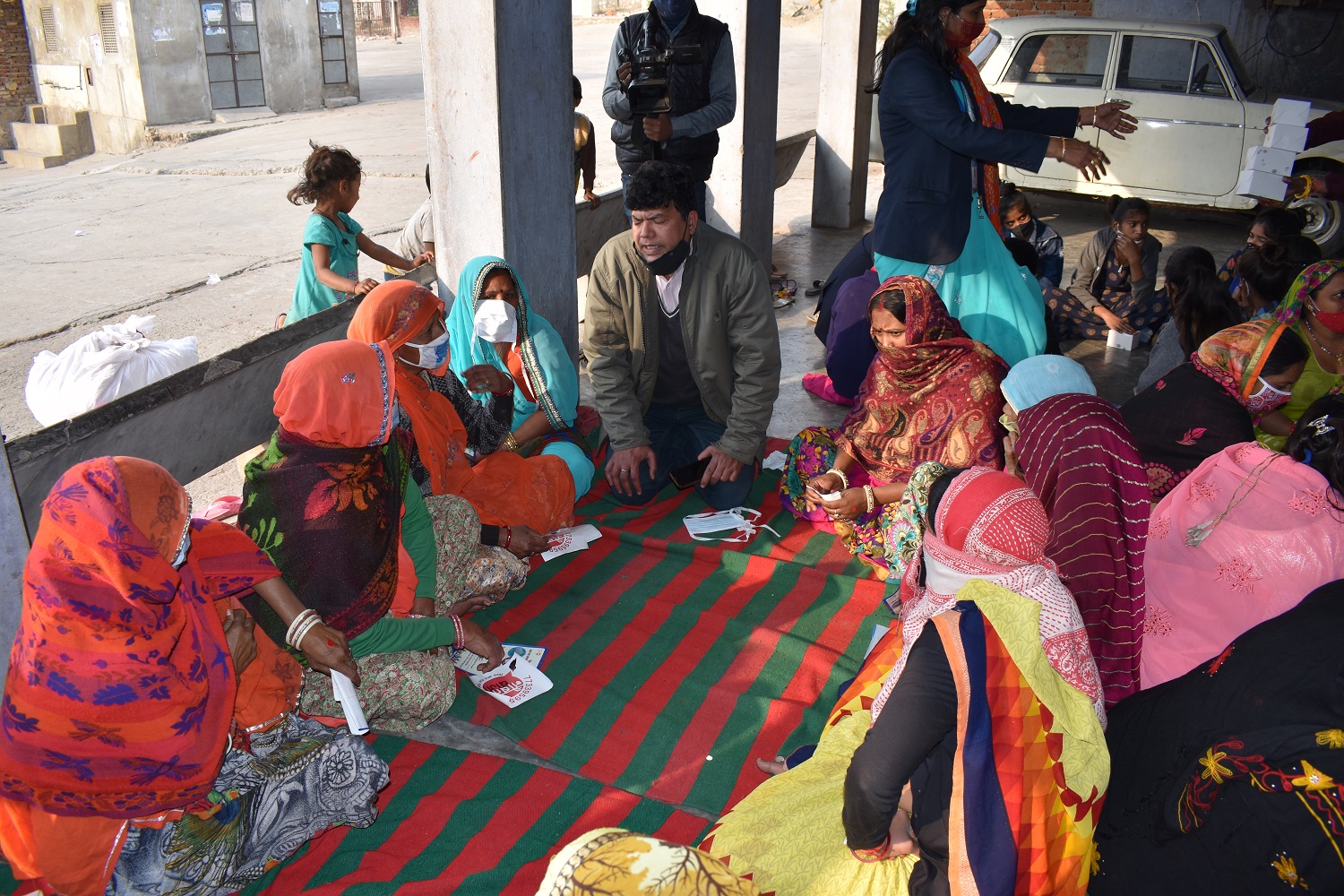
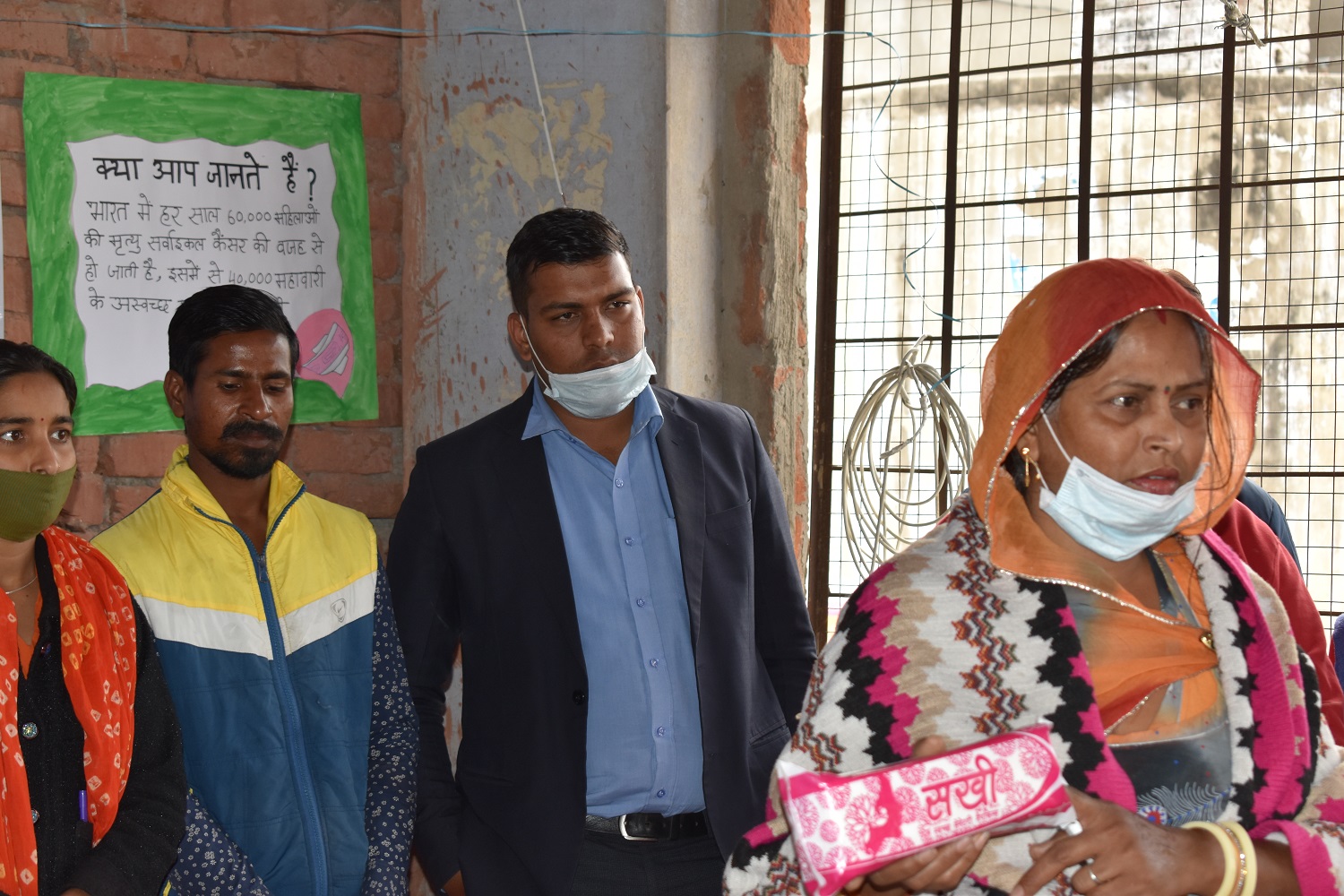
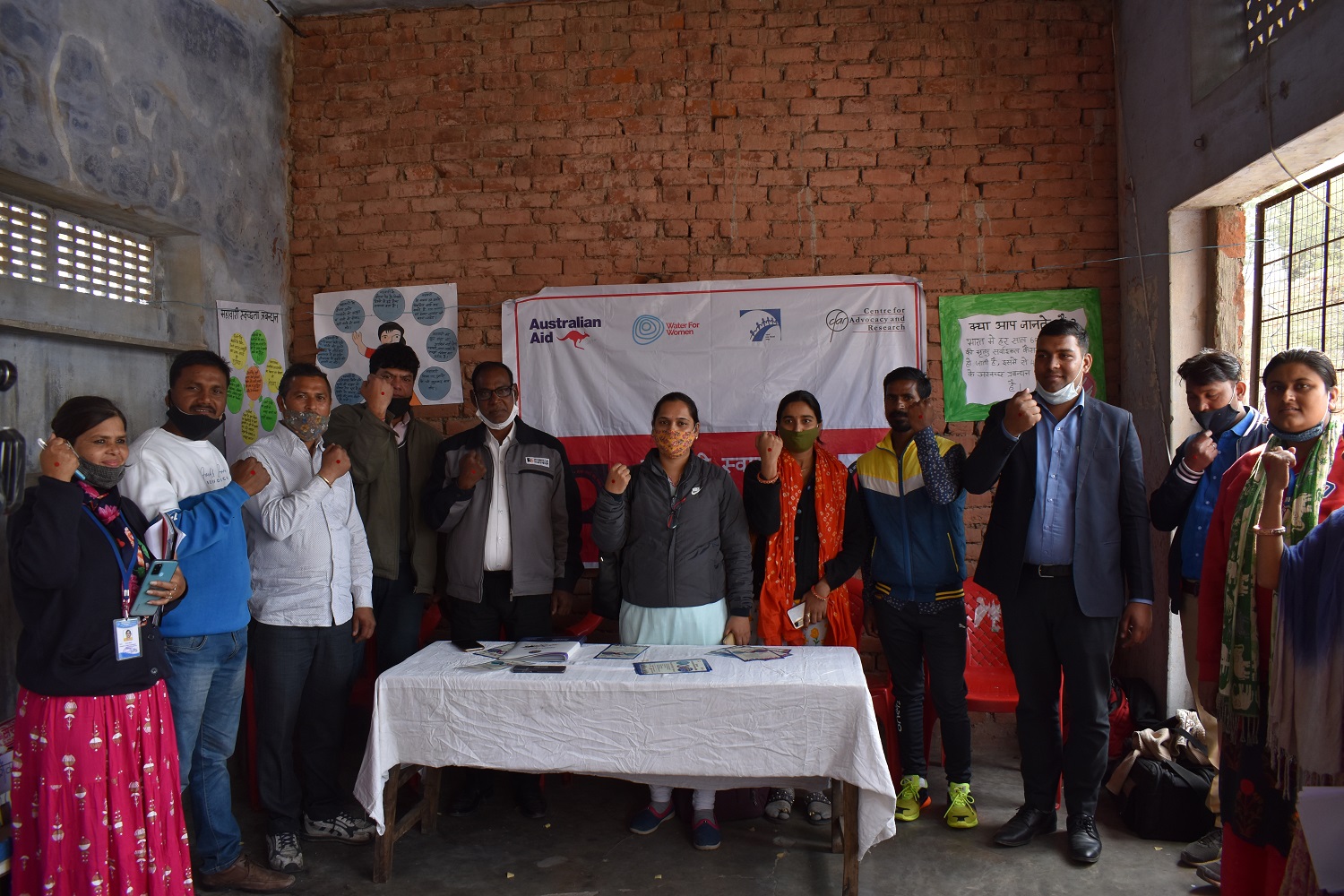
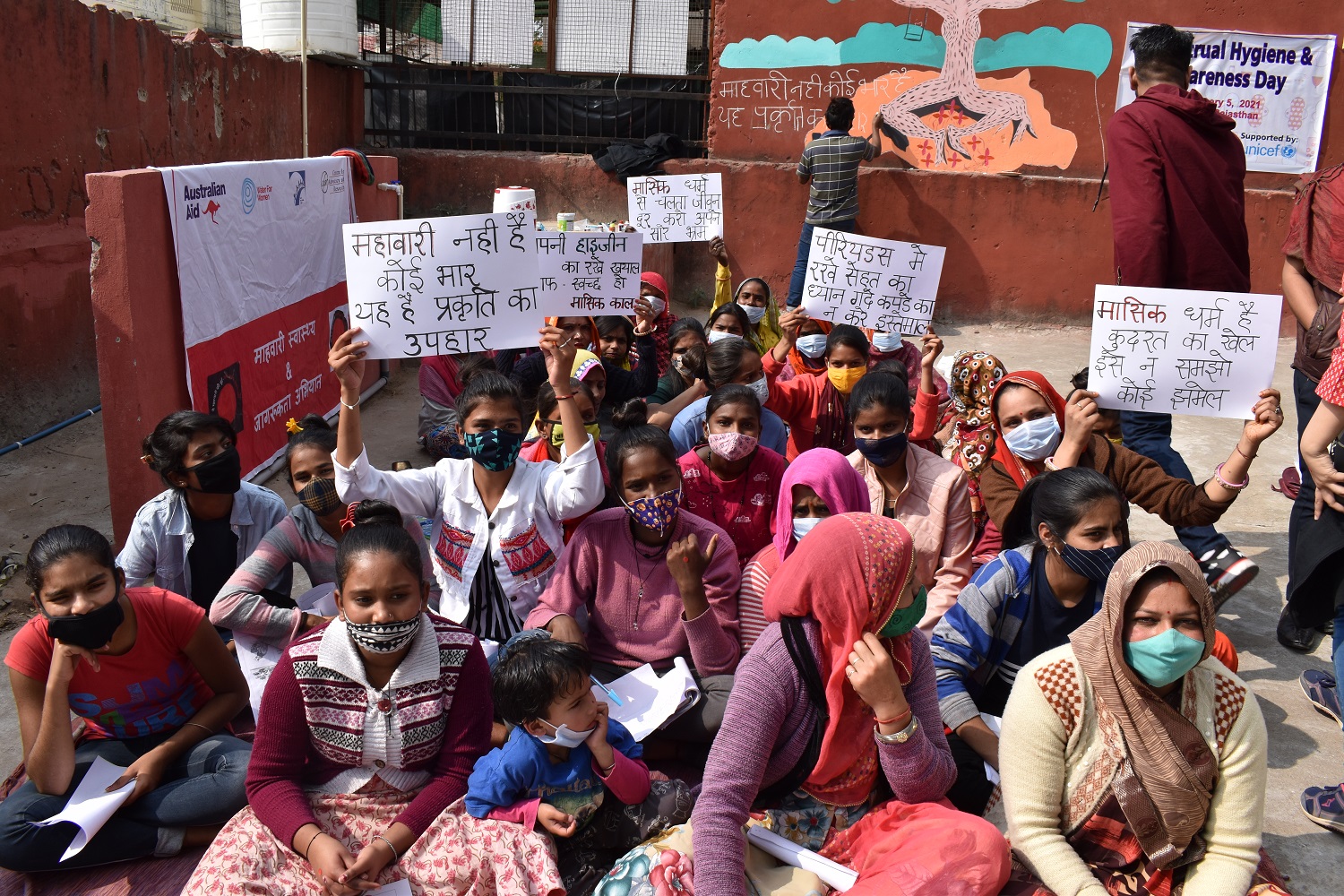
Scores of women and adolescents from Tila No. 4, Jawahar Nagar, and Transport Nagar in Jaipur came together to launch the Red Spot Campaign focussed on creating awareness on the importance of understanding menstrual health and engaging men to break the myths and develop sensitivity towards the subject.
The entire event was best signified by Mx. Kanak, a transgender artist who through her wall painting depicted that menstruation was not a burden but a gift of nature which should be accepted with grace. Meanwhile, women and girls wrote open letters to men and boys, asking them to be as concerned about menstrual health and hygiene as them. They said that since health was a right of all women and girls, men needed to stand with them. Explaining this further, they said, “Periods are something that as fathers, brother and our trusted guardians you should also know about.”
Mx. Pushpa Mai, Founder, Nai Bhor, a transgender CBO, interacted with women and girls at the centre. She said, “It is important to strengthen advocacy on menstruation as a right of every woman and girls. Everyone from the family to the government must ensure that the issue in not shrouded in silence”.
Ms. Lalita, General Nursery Midwifery, Community Health Centre, added, “Women are very hesitant to talk about issues related to their reproductive health. This is nothing to be ashamed of. It is women and men together who together can break traditional gender norms associated with menstruation.”
Nirmala, a representative of the Mother’s Committee, Tila Number 3, said, “The time has come when everyone needs to say ‘Ab pata chalne do’ or recognize the importance of the issue.”


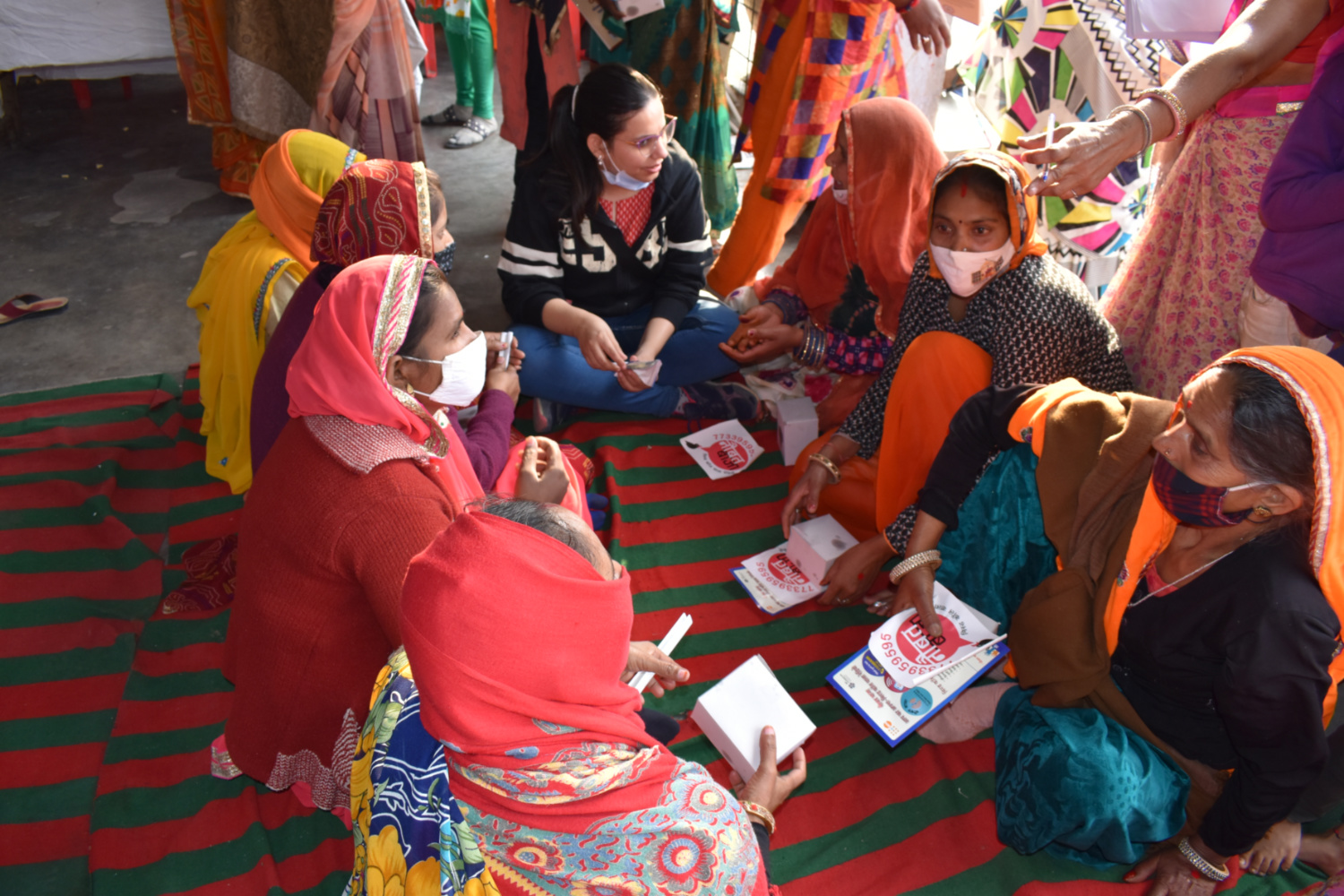
Jawahar Nagar, Jaipur

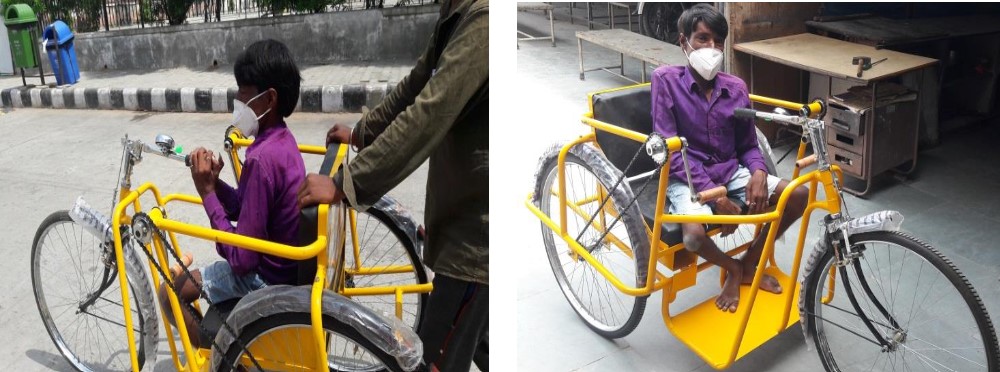
Hand Bicycle for Boduram
Jaipur: Baba Ramdev Nagar is located near Gujar ki Thadi, New Sanganer Road. It falls under ward 30 of Civil Lines area. The settlement is 40 years old and has 424 Households, of which only 140 are pucca (made of Bricks and cement) while the rest are kutcha or are sheds and huts with tin roofs. As per the ICDS data, the estimated population of Baba Ramdev Nagar is 2,390.
A majority of the population in the area comprises urban poor. Around 50 households can be categorized as ‘most vulnerable’ and live on the rear end of the settlement. They do not have regular access to clean drinking water; the surroundings are filled with solid and animal waste. The residents here do not have not have access to basic social entitlements and are have not benefitted from several government schemes and programmes. A majority of the people belong to below poverty line (BPL) category. These are families mostly belonging to communities such as Lohar, Sansi, Ghumantu and Rebadi (ST, SC) and live in hutments. There are also a few Muslim families in the settlement.
International Fortnight on Elimination of Violence Against Women
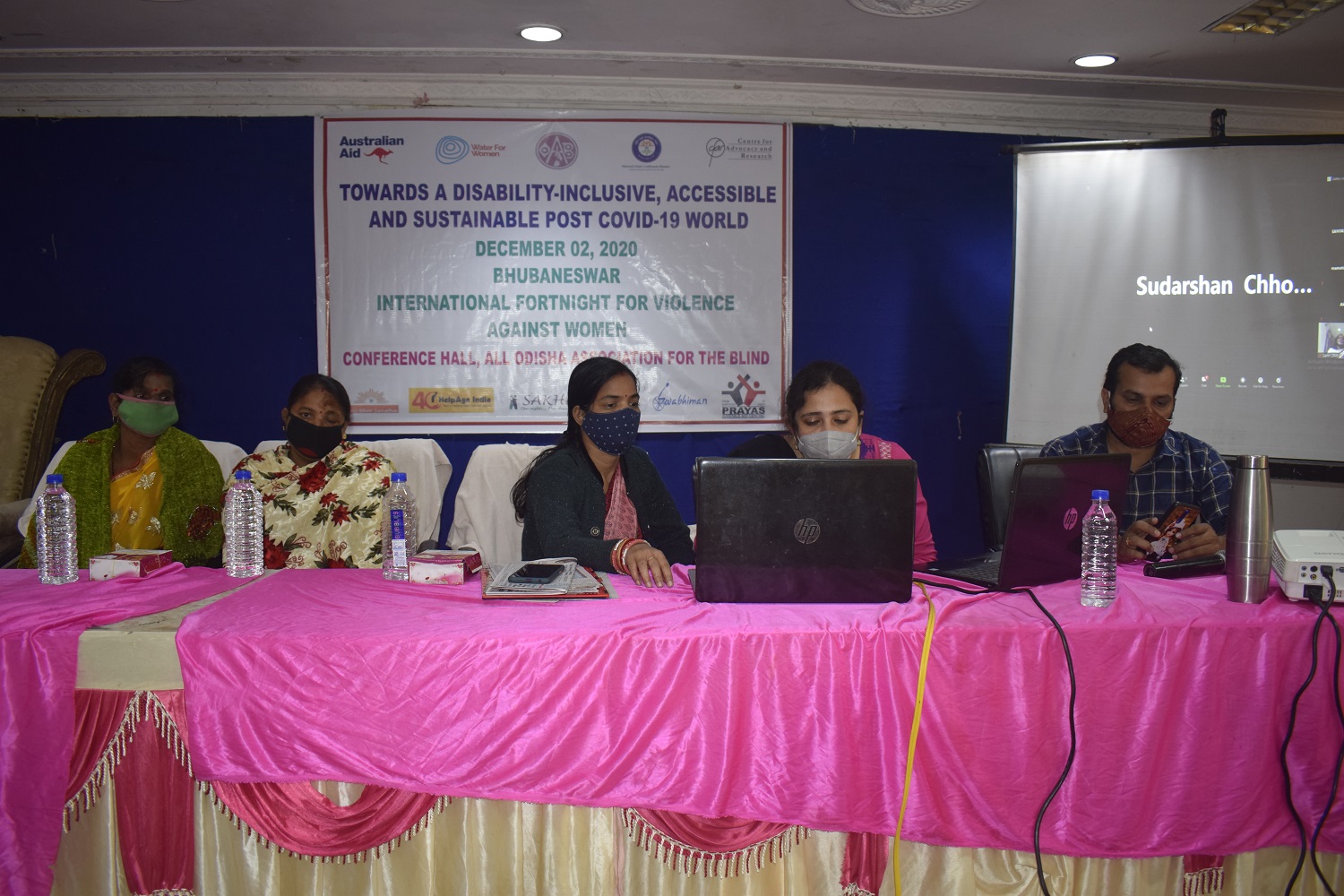
International Fortnight on Elimination of Violence Against Women
International Day of Persons with Disabilities 2020
December 3, 2020
Introduction
The International Day of Persons with Disabilities (PwDs) is observed worldwide every year on December 3, 2020. The observance of this day aims to promote the rights and well-being of persons with disabilities in all spheres of society, and to increase awareness on the situation of persons with disabilities in every aspect of political, social, economic and cultural life, globally.
According to UNESCO guidelines, persons with disabilities in the world are among the hardest hit by COVID-19. Of them, 46% are older people aged 60 years and above?, one in every ten is a child with disability, and one in five a woman, and of these 80% live in developing countries.
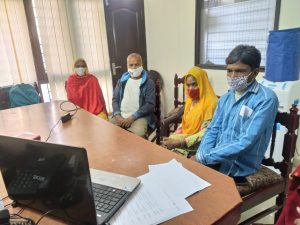
Given the above context, on December 2, 2020, the Centre for Advocacy and Research, Community Management Committee (CMC) members, with partners Swabhiman, SAKHA, Centre for Youth and Social Development, Blind Relief Association, and Prayas in Bhubaneswar and Jaipur hosted a webinar “Towards a disability-inclusive, accessible and sustainable post-COVID-19 world.”
The webinar was the third in a series of deliberations on the issue, with two others conducted on May 28 and September 19, 2020. In the two previous webinars, it became clear that PwDs were among the most adversely groups impacted by the pandemic. Three critical areas identified for action were securing access to: a) basic sanitation services, b) social protection schemes for the disabled; c) financial assistance or alternative livelihood. The third webinar was conducted with the objective of using the day to deliberate jointly with disabled people’s representatives, CSO partners and decision-makers/duty-bearers to come up with recommendations and plan the next steps for purposeful inclusion of persons with disabilities in sanitation, social protection and livelihood programmes of the government in both cities.
The event was a part of CFAR’s ongoing project, Water for Women: Mobilizing, Facilitating and Replicating Socially Inclusive WASH Initiatives in India’s Urban Slums, supported by Water for Women Fund, Government of Australia the Australian Government?
Response from decision-makers/duty-bearers
Strengthen awareness on schemes
- “We will initiate programmes to build more awareness on various schemes as it will enhance motivation, improve ability to be independent, develop entrepreneurial skills, capacity to be self-reliant and work closely with the service providers.” Baijayanti Mohanty, Block Programme Manager of Odisha Livelihood Mission, Kendrapada District, Odisha.
Convergence of schemes
- “We will try to see how welfare schemes for PwDs can also focus on livelihood development, and ensure that PwD are able to achieve social, educational and economic empowerment.” Rabindra Satpathy, District Disability Rehabilitation Officer, Sambalpur.
Alternative livelihood development
- “We will provide PwDs with soft loans so that they can work from home. Recently, NULM has issued a directive that five disabled persons can form an SHG and we will provide them with free skills and marketing support to sell their products. We need support of NGOs to make this happen.” Navin Bhardwaj, Deputy Commissioner, NULM, Greater Jaipur.
Make operational Right of Persons with Disabilities (RoPwD) Act, 2016
- “We will take steps to make operational the Rights of Persons with Disabilities (RoPwD) Act to enable disabled persons to live with dignity, provide equal opportunities in education and jobs and, most of all, take steps to remove barriers to empower them to contribute as citizens of this country. And for this we all will work together for 365 days, and not one day of the year. My three recommendations are: 1) make operational the implementation of Right of Persons with Disabilities, 2) promote inclusive education using EPUB Reader HTML5 technology and audio tools for students, and 3) shift from welfare to empowerment approach for inclusion of PwD to enable them to contribute meaningfully as citizens.” Akash Deep Arora, Deputy Director, Rajasthan Administrative Service.
Develop a database of persons with disabilities
- “We need to develop a database and enumerate individual scheme-wise listing for securing entitlements. Also establish processes for inter-department convergence to enable delivery of social security schemes. With the support of civil society, facilitate early detection of disability though health service-providers, frontline workers and registration is essential to avail benefits.” Pooja Sharma, Senior Consultant and Disability Expert, Department of Social Justice and Empowerment, Jaipur.
Recommendations from Partner CSOs
- “We recommend a task force be set up with the support of the Department of Social Justice and Empowerment dedicated to services for the disabled, with correct data, so that access to schemes can be fast-tracked. We also request the department to set up a free helpline for easy and accessible dissemination of information and procedures and plan rehabilitation of children working in hazardous small-scale units on priority.” Indu Rani Singh, Director, Special Projects, Prayas, Jaipur.
- “State is mandated to provide access to water, sanitation and personal hygiene on equal basis to persons with disabilities as a matter of right. We will collectively advocate with the concerned authorities to extend these facilities as a matter of right to PwDs.” Bhushan Punani, Executive Secretary, Blind People’s Association.
- “The law on Rights of Persons with Disabilities should also be amended with a special mention on ensuring access to adequate water and sanitation services, especially in the context of the pandemic.” Sannyashai Kumar Behera (OAS-1) Social Security and Empowerment of Persons with Disability (SSEPD) Department, Government of Odisha.
- “Budgeting is the most essential component, and when we talk about budgeting for the disabled, data segregation is the most essential element. The government must enumerate persons with disabilities to know the actual size of the population and allocate resources accordingly.” Basant Nayak, Programme Manager, Centre for Youth and Social Development, Bhubaneswar.
Concerns Presented by Community Representatives
- “After a lot of struggle, when persons with disabilities were able to earn their livelihoods by doing petty business, the pandemic has once again pulled us down.” Pramodini Maharana, 42, Bastibikash, Bhubaneswar
- “I struggle all day to make a living, and the pandemic has made it harder for people like me. We always felt ignored and excluded but now I know how water and sanitation can be made disabled-friendly.” Kasturi Patra, 35 years, Saliasahi Basti Bikash Parishad, Bhubaneswar.
- “If the basic design of the toilet is not made in consultation with us, we will not be able to use it. If the sewer line or water pipeline does not come to our doorstep, we cannot collect water. We appeal to the government to see our plight and plan our sanitation with us.” Asha, 25, Rajeev Nagar, Jaipur.
- “The pandemic has left many disabled persons without jobs and disrupted their small businesses. We can no longer take care of their families and live a life of dignity. There should be some special schemes to reduce our vulnerability.” Shiv Prasad, 30 years, Rajeev Nagar, Jaipur.
- “I visited the e-Mitra centre but they asked for money which I cannot pay. I get no support and it is not possible for me to visit government offices again and again. If access to schemes can be made easy it will help us to get food and medicines.” Charanjeelal, 60, Bapu Basti, Jaipur.
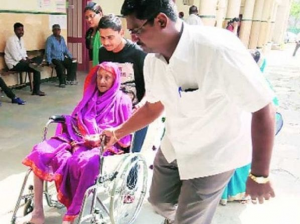
- “I used to take my adolescent son to the community toilet on my shoulders. I was given a wheelchair which has made it possible for him to go to the toilet alone. If such support can be extended to remove our day-to-day barriers, it will help many persons like me,” Manju Devi, 35, Jaipur.
Read Press Releases:
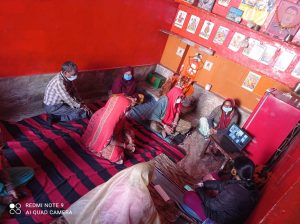
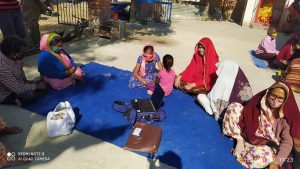
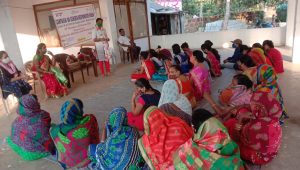
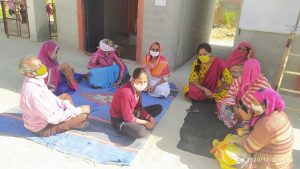
A voice for the marginalised creates accessible handwashing for the community – including all
Read full story on waterforwomenfund.org
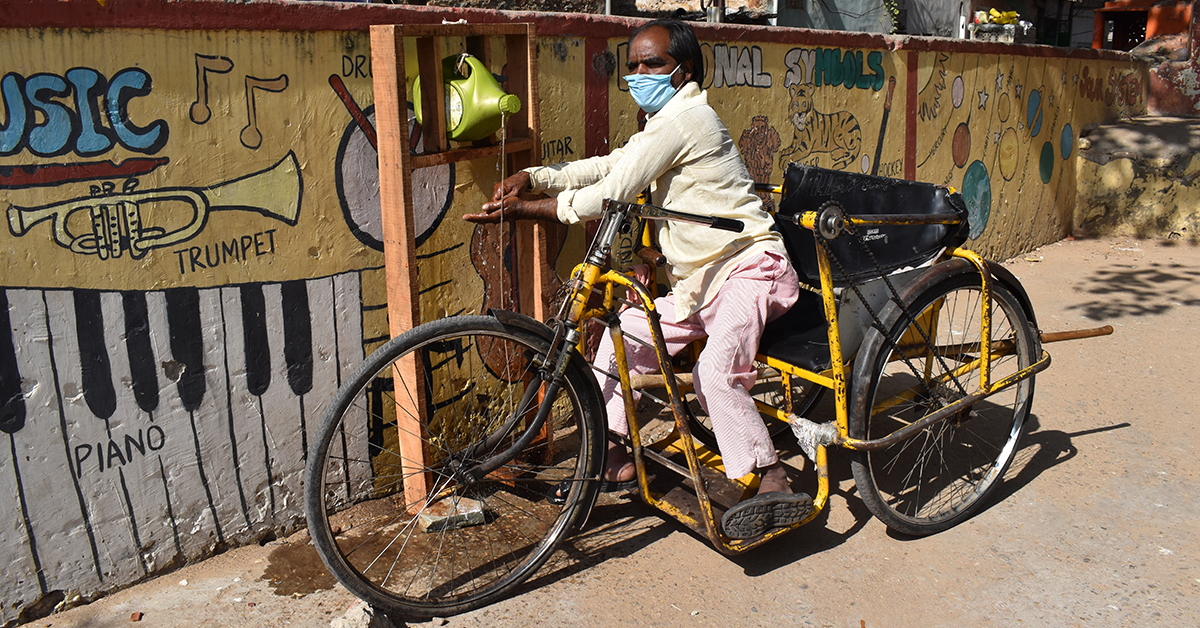
In Swami Basti, Jaipur, India, Ramesh is proud to show off the newly installed, accessible handwashing station that he, his family and entire community can benefit from everyday to maintain their hand hygiene – important for their health always, but particularly with the threat of COVID-19 never far from their minds.
Swami Basti is a poor community in Jaipur, home to many vulnerable people and households who have suffered disproportionately due to the COVID-19 pandemic. 22 per cent of the world’s poorest people have a disability.[i] Disability and poverty are often linked as people living in poverty have a higher chance of acquiring a disability due to lack of medical care, poor nutrition, violence, unsafe housing, and getting injured at work.[ii]
Ramesh, who lives with a disability will not only benefit from this accessible foot operated handwashing station, he also played an important role in its creation!
Through their Water for Women project, supported by the Australian Government, Centre for Advocacy and Research (CFAR) and RTI have been working to reach some of India’s most at-risk people. In the face of COVID-19, this work has taken on a new urgency.
Part of their activities involves the set up of community forums which represent a diverse mix of community members who play a role in addressing the diverse WASH needs of the community (there are male forums and female forums, and each forum also includes members from marginalised groups such as those who live with a disability or from the transgender community). Ramesh is an active master trainer and member of the male forum, who educates community members on techniques of handwashing, which he learnt at a communication workshop conducted in August.
Ramesh, and members from the Single Window Forum and Male Forum set up the facility after the training, which now benefits 45 households including four people with a disability.
Ramesh’s wife, Saroj also has a disability and with two children to take care of and water accessibility extremely limited for them at times, this handwashing station has been an important addition for the family and the community as a whole.
Let us Make Menstrual Hygiene Management (MHM) Everyone’s Business
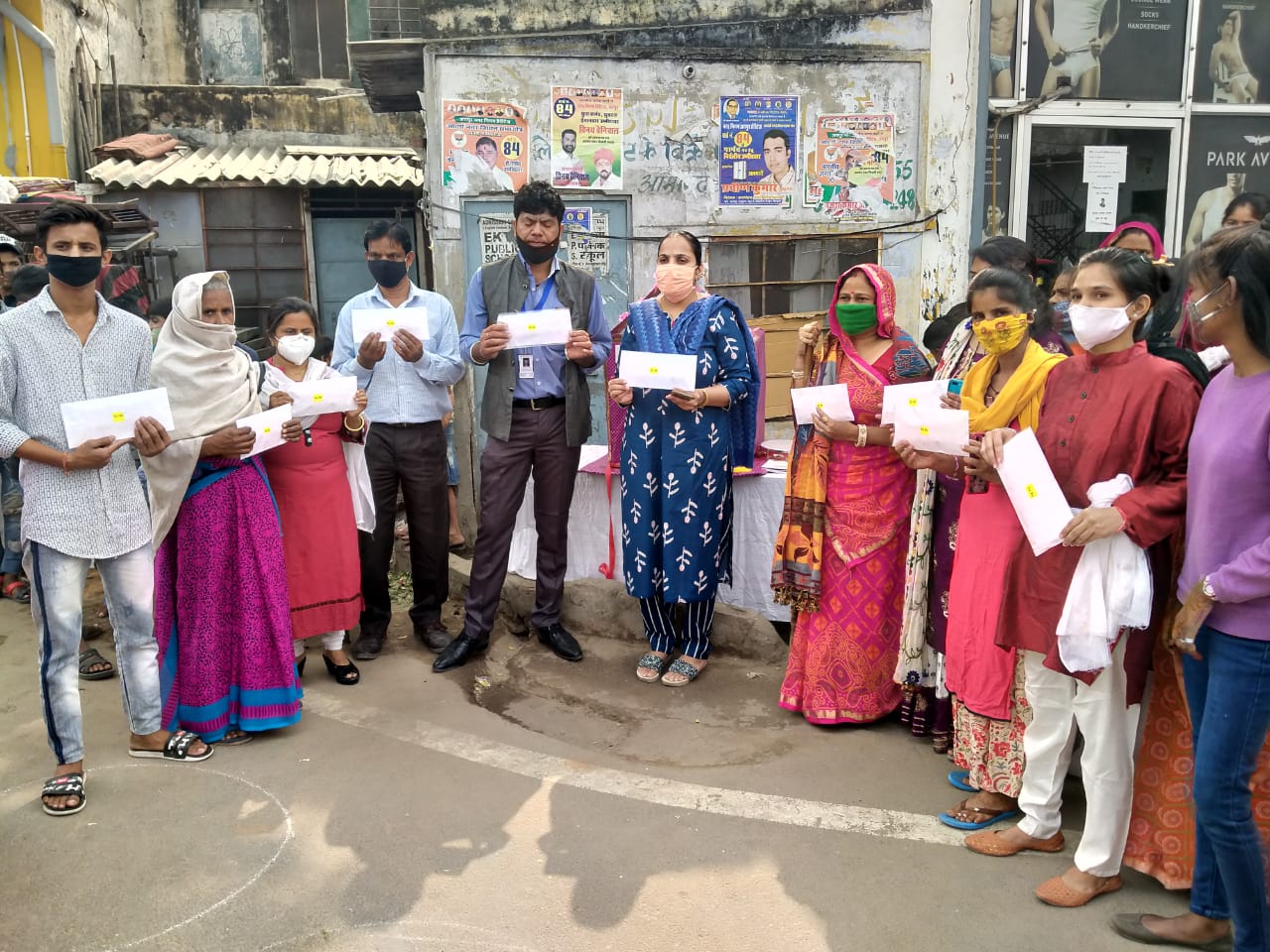
On the occasion of the launch of 16 Days of Activism against Violence against Women and Girls, November 25, 2020 in Jaipur, the Community Management Committee (CMC) members, frontline workers such as ASHAs, ANMs, Anganwadi workers and representatives of health and sanitation programmes such as Mahila Arogya Samiti of Nagtalai, Transport Nagar, Amagadh, Shakti Colony, Lakshminarayan Puri, Parvat Colony of Ward 67, are launching a campaign to make all stakeholders – women, girls, men, community leaders, shopkeepers, youth, local service-providers, teachers, sanitary workers to name a few – realize that Menstrual Hygiene Management is Everyone’s Business.
Why?
The pandemic and the nationwide lockdown that followed in March 2020 revealed the extreme distress that urban poor women and girls were subjected to. All services – schools, ICDS, PHCs, counselling centres –were closed down. Along with the halting of free distribution of sanitary pads, the prices of these articles in the open market shot up, making these unaffordable for most, especially for women and girls from poor families living in informal settlements. Not only their access to sanitary pads became very difficult, they also found it hard to use public taps and public toilets while they were also severely compromised on hygiene practices, including safe disposal of used menstrual absorbents. It was devastating, emotionally and psychologically, many of them told us. Worse, there was an absence of policy response to this common and pressing problem. In the initial phase of the lockdown, sanitary napkin was not listed as an essential item. It was only after the government realized the omission that this was set right.
In the light of this very traumatic experience of abject neglect and complete disruption of the minimum support and services, the campaign title, “Make MHM Everyone’s Business”, suggests raising awareness and securing everyone’s commitment to do their bit as policy-makers, decision-makers, family members of women and girls, citizens, neighbours, partners, colleagues and friends to make MHM truly safe for all women and girls. This campaign stresses the need to recognize that we can no longer just be bystanders and observers and exhorts us to act together to make MHM safe for women and girls.
Process
The campaign can be taken forward at many levels in collaboration with the key stakeholders – from the government to the academia, experts, civil society organizations and the private sector. We can use different formats such as facilitating dialogue, holding gender sensitization workshops, conducting awareness campaigns by organising street plays, community discussions, holding talks by experts, undertaking focused micro-planning by all concerned to decide on how best to engage with the issue in every way.
Campaign Thrust
- Together, overcome the shame, guilt, silence, stigma and neglect that surrounds the issue of MHM
- Affirm commitments on ensuring ‘Safe MHM for All’ in WARD 63
- Together find ways to improve access to information, absorbents, WASH services and safe disposal and ‘Leaving NO One Behind’
- Integrate MHM in Urban Health and Nutrition Day (UHND), Mothers meetings, MAS and ASHA training and across key programmes for women’s empowerment and girls’ development
- Involve boys/men as allies and supporters of the right of girls and women to safe MHM
- Recognize MHM as an issue linked to sexual and reproductive health, education, adolescent development and women’s empowerment.
Organized by
The campaign will be facilitated by the CMC members of Ward 63 and the team from Centre for Advocacy and Research (CFAR). It is part of a pilot intervention to ‘Mainstream menstrual hygiene management to mitigate the impact of COVID-19 on women and girls’, living in the slums of Bhubaneswar and Jaipur. This is being supported by Water for Women Fund, Australian Government.
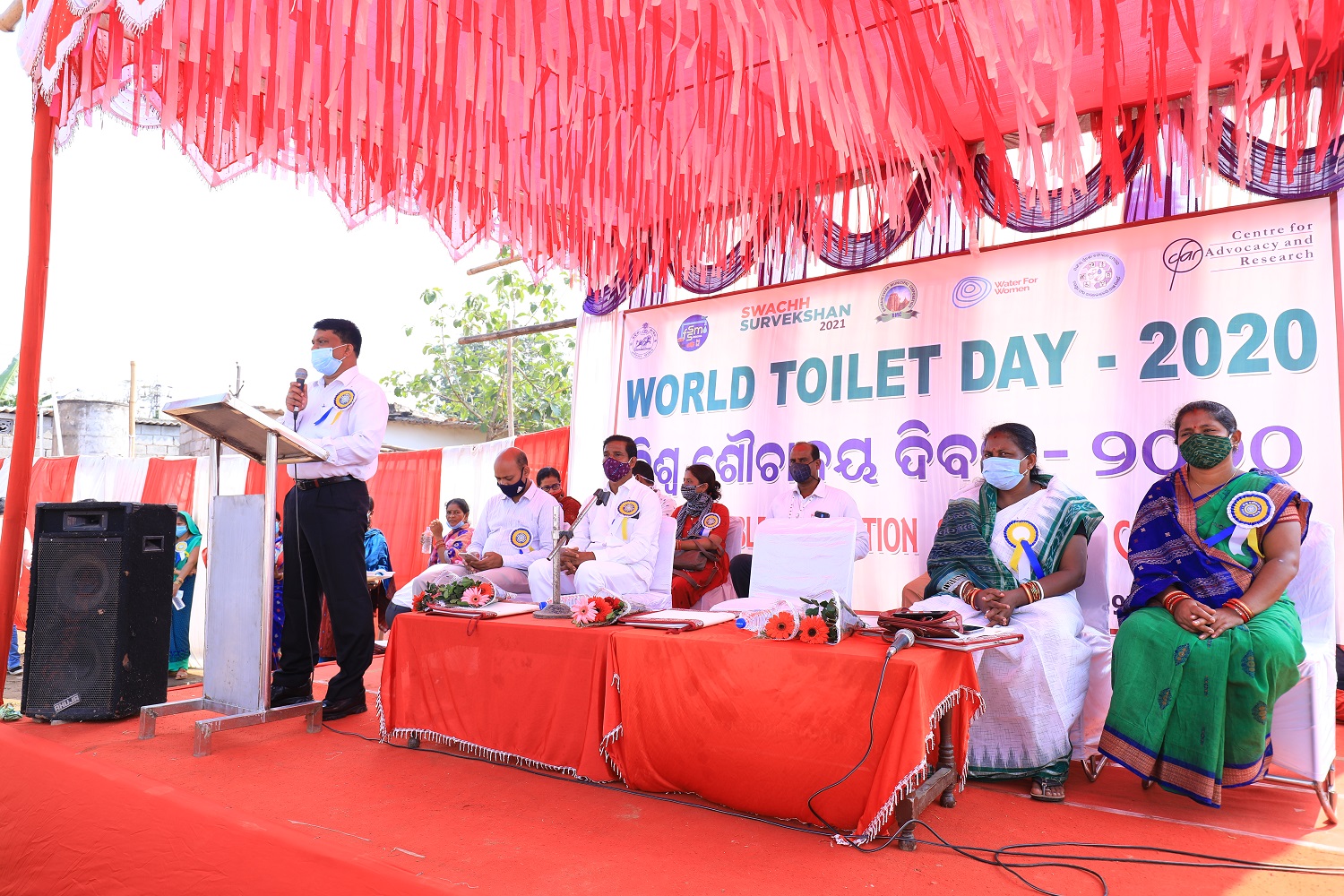
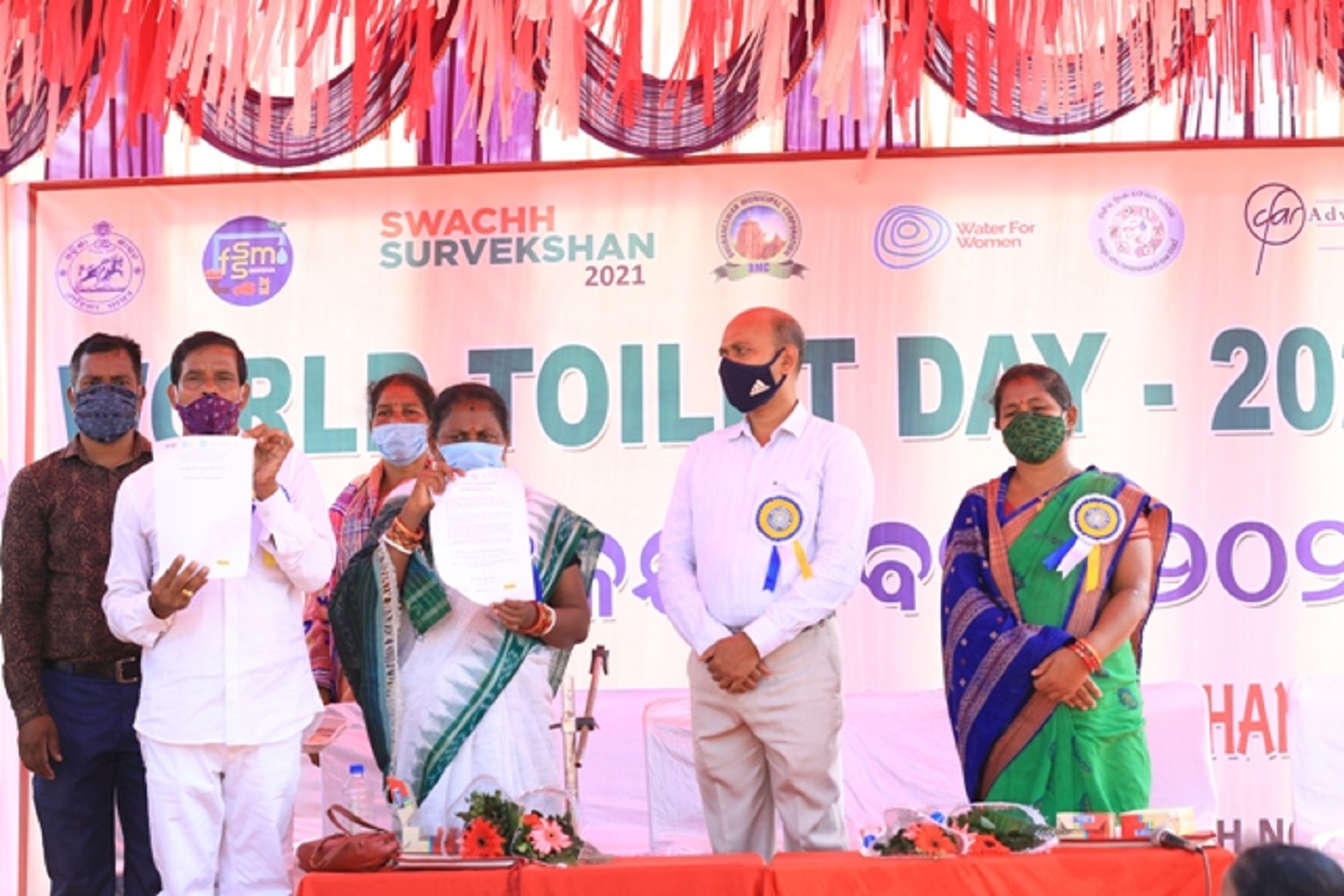
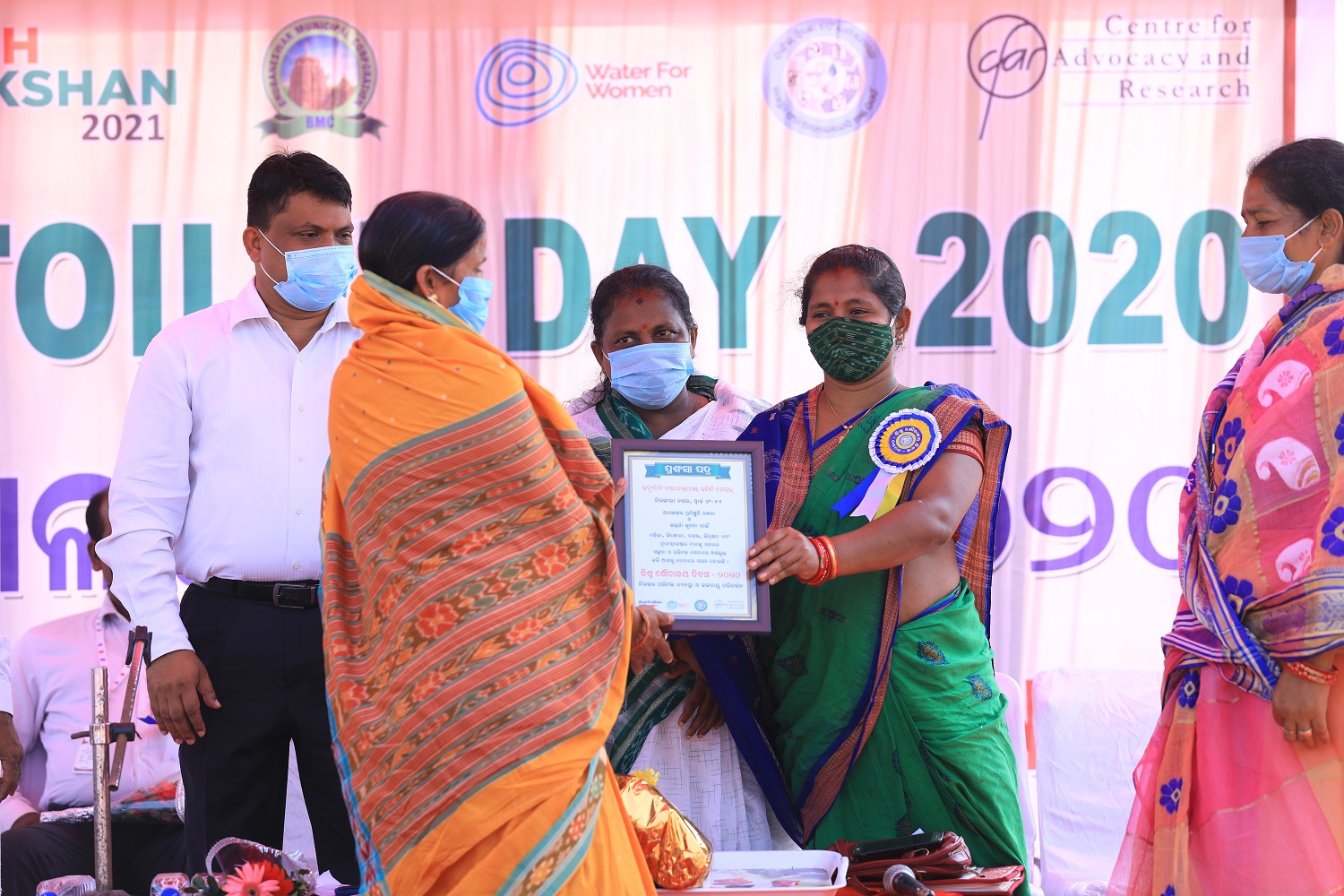
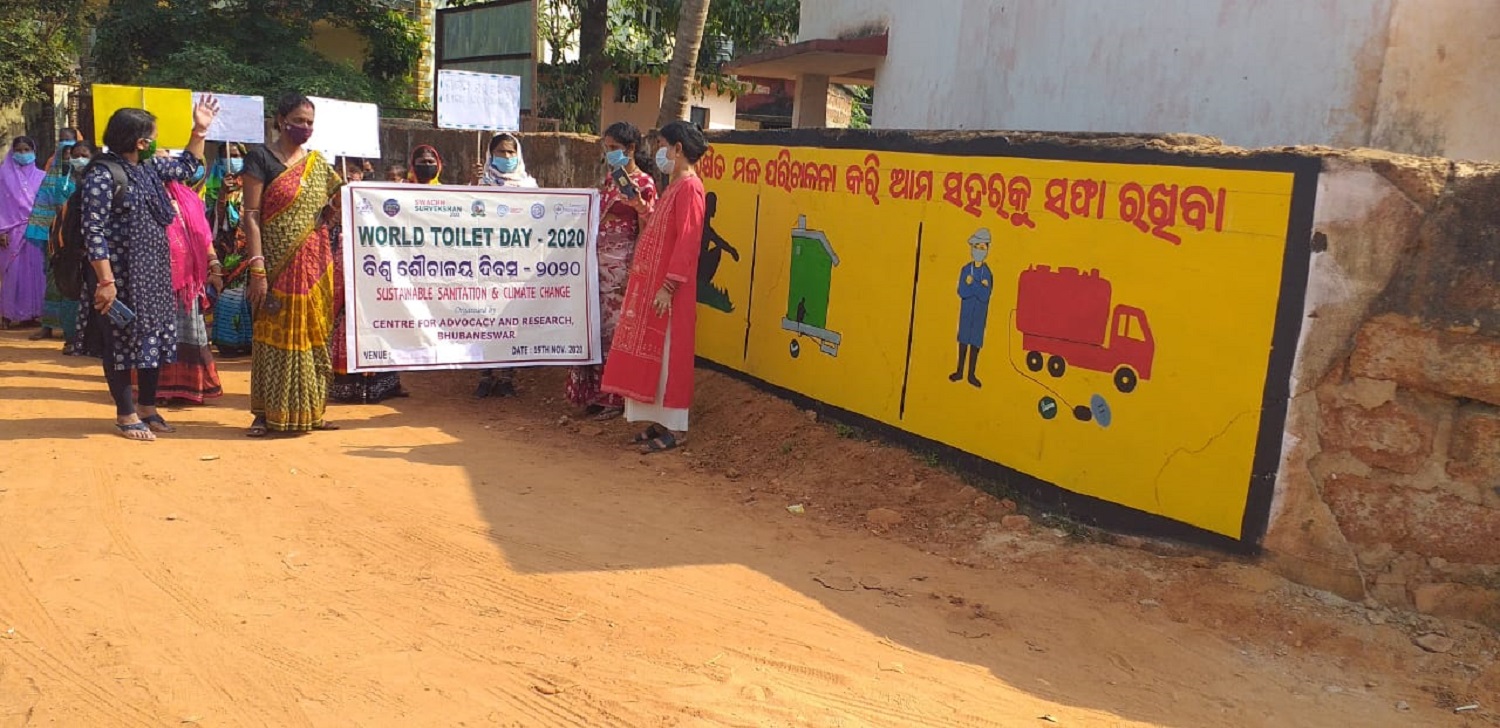
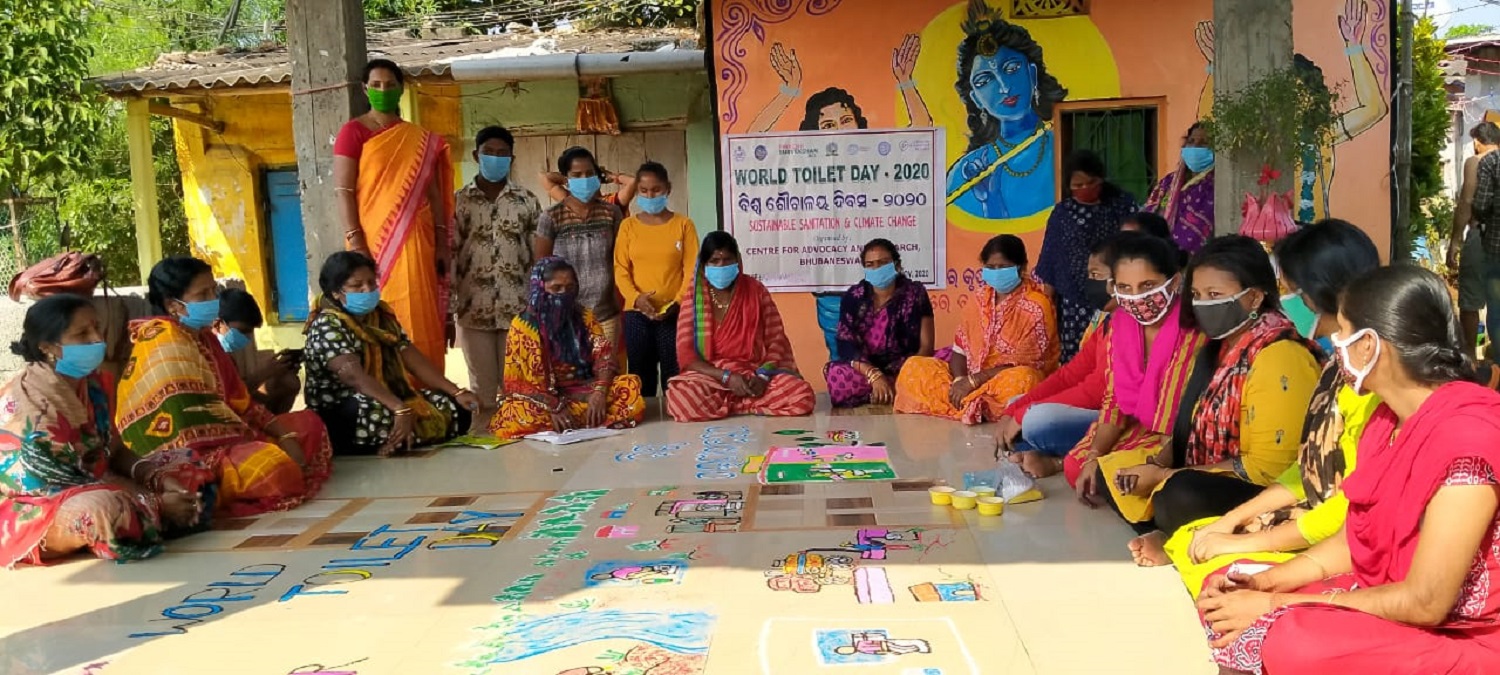
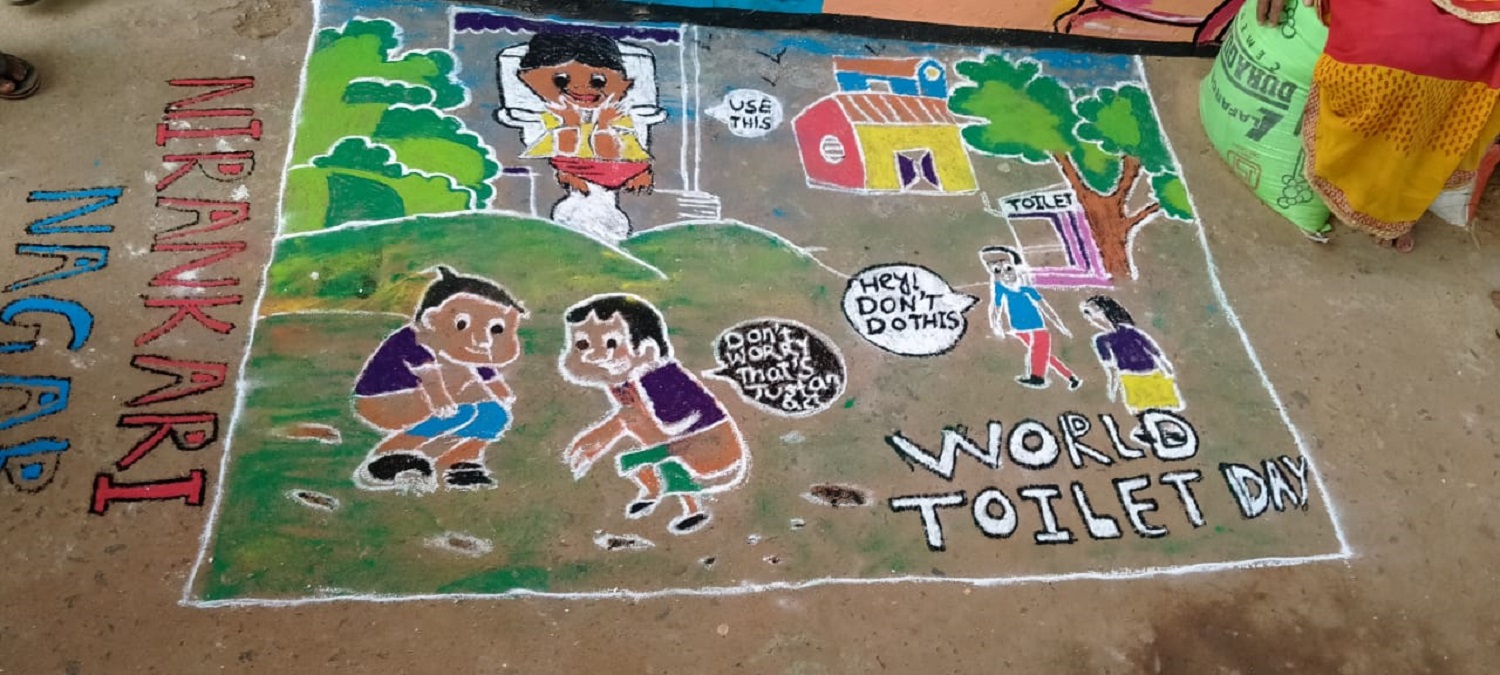
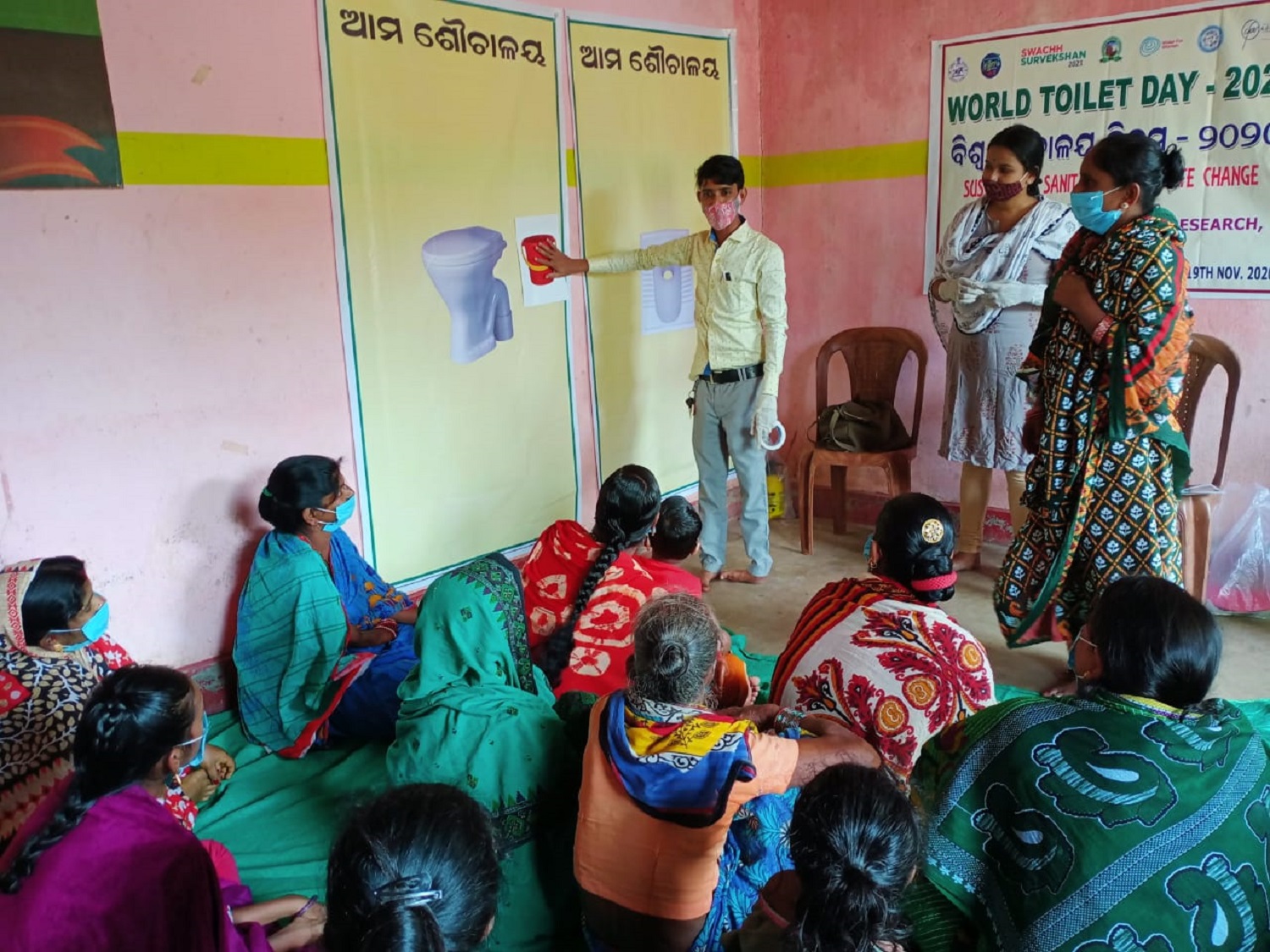
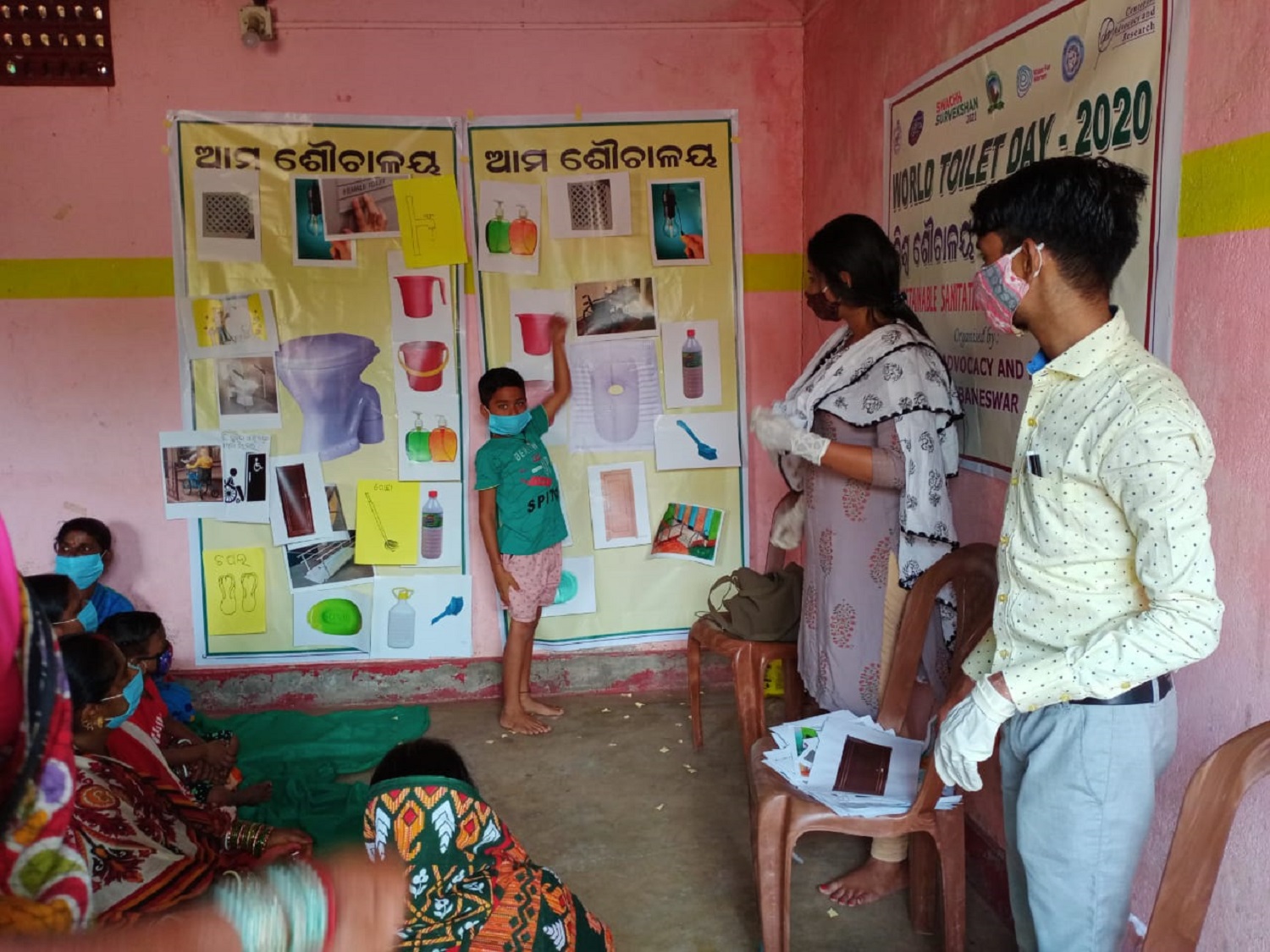
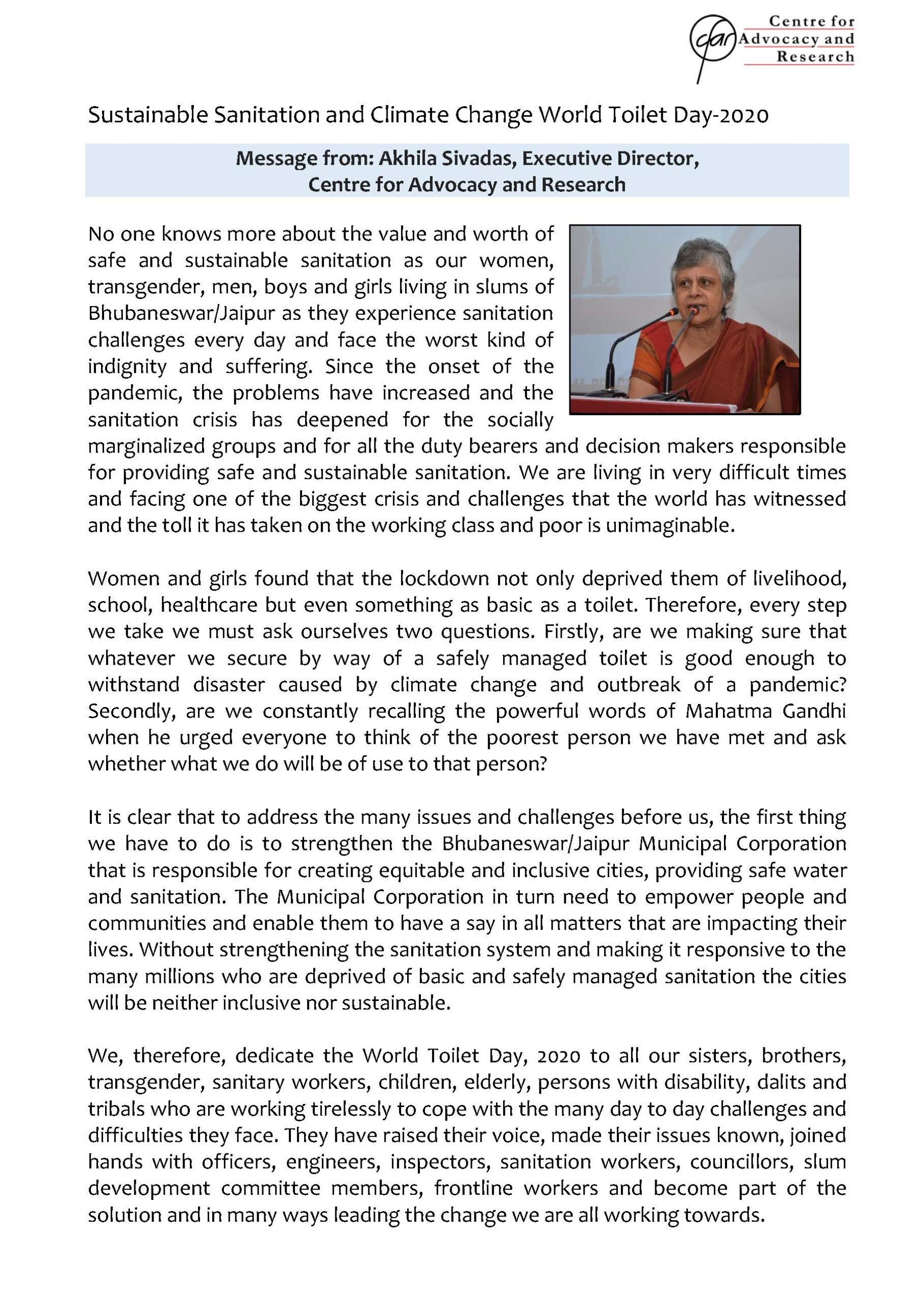
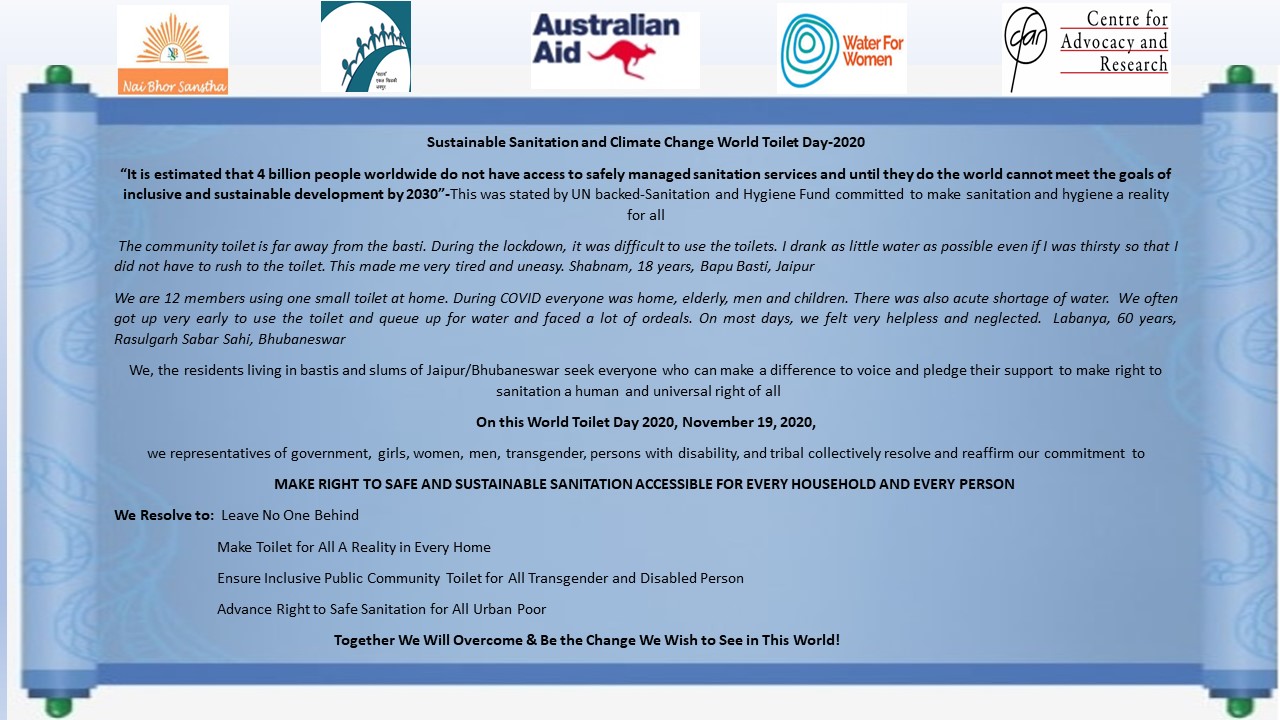
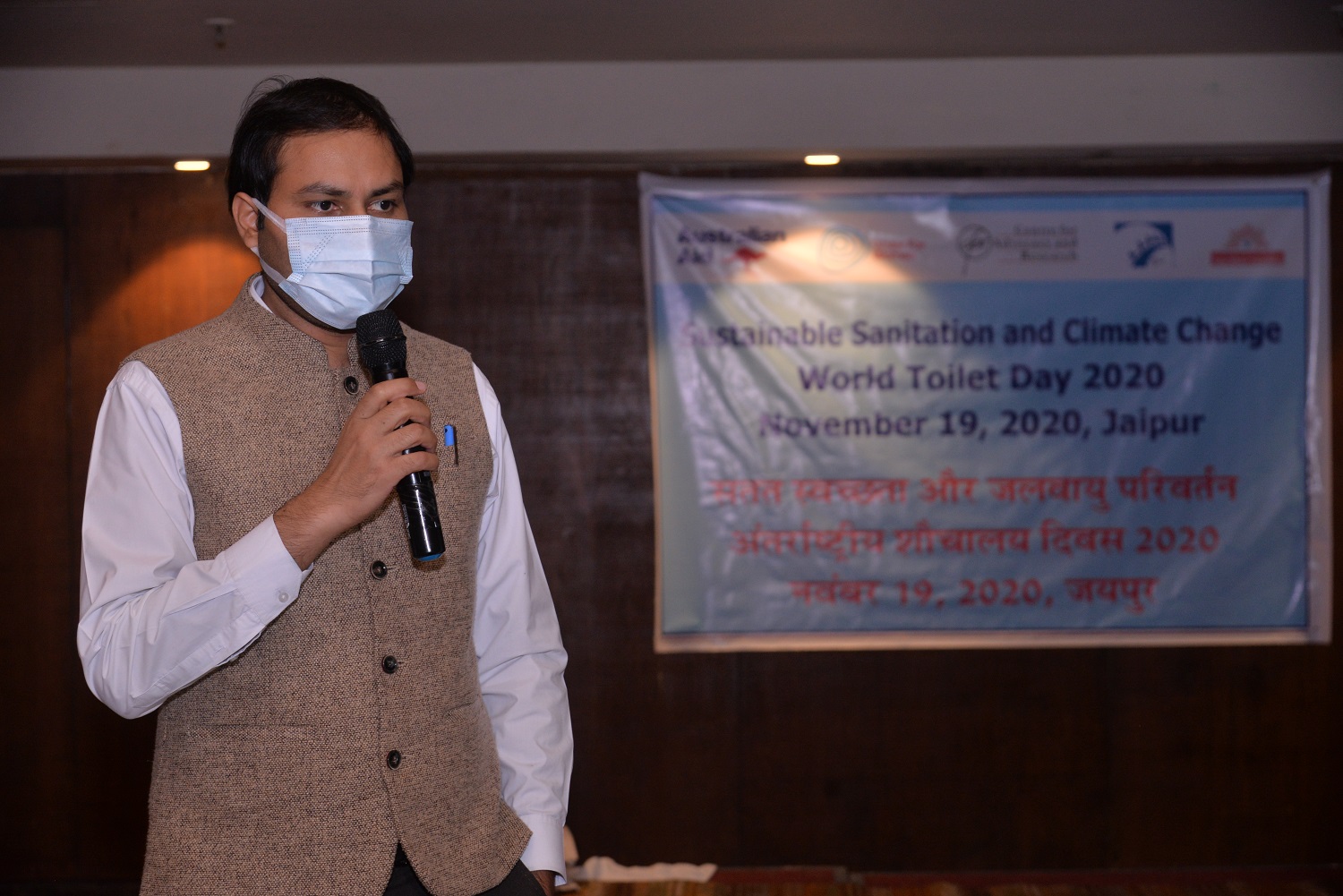
Sustainable Sanitation and Climate Change- World Toilet Day 2020
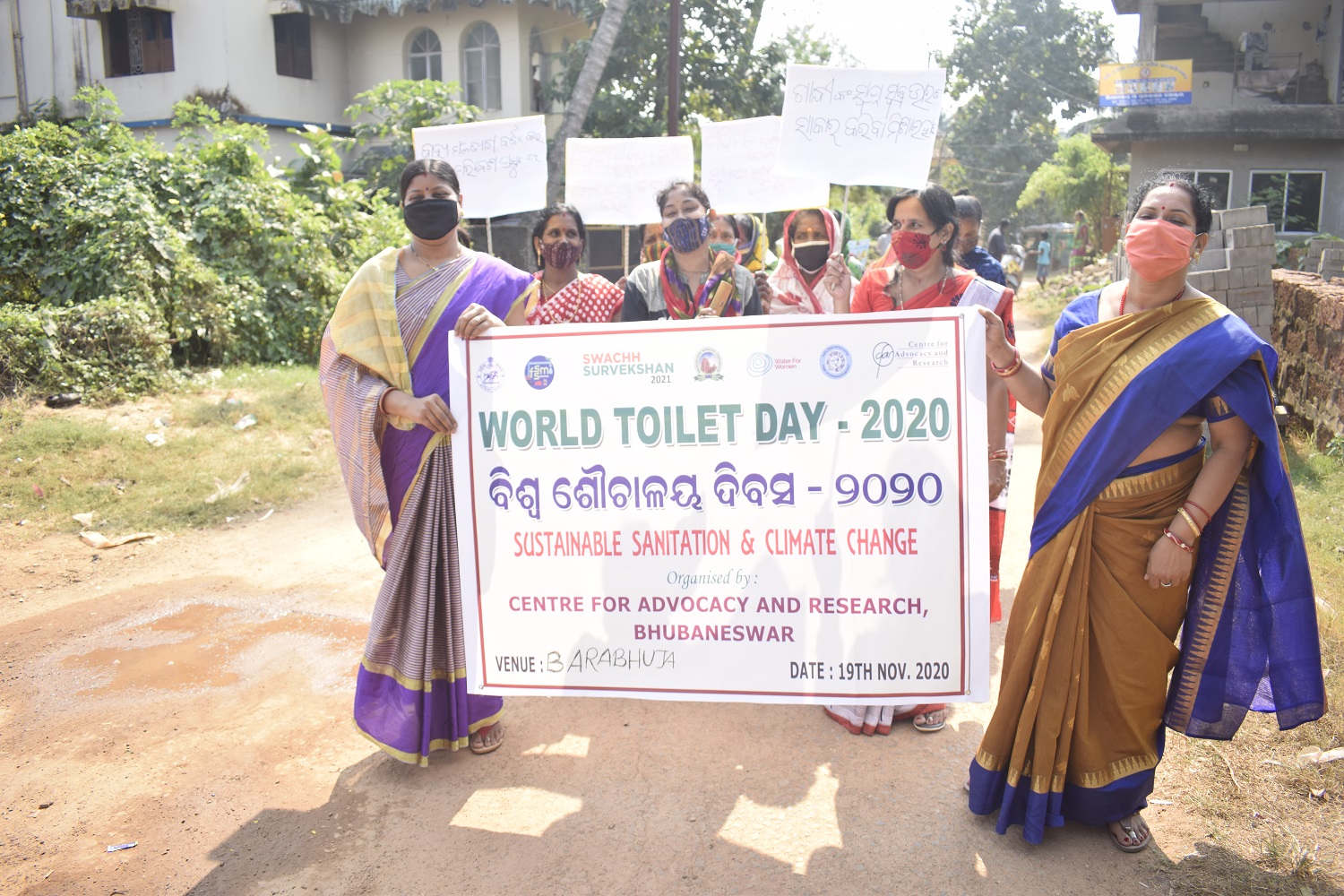
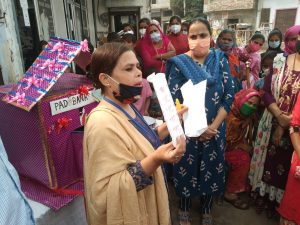
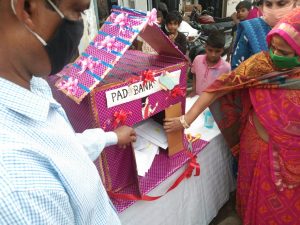
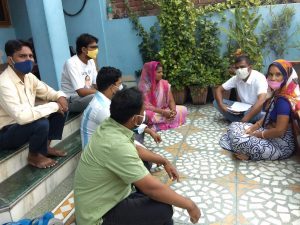
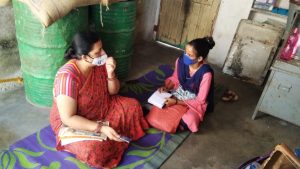
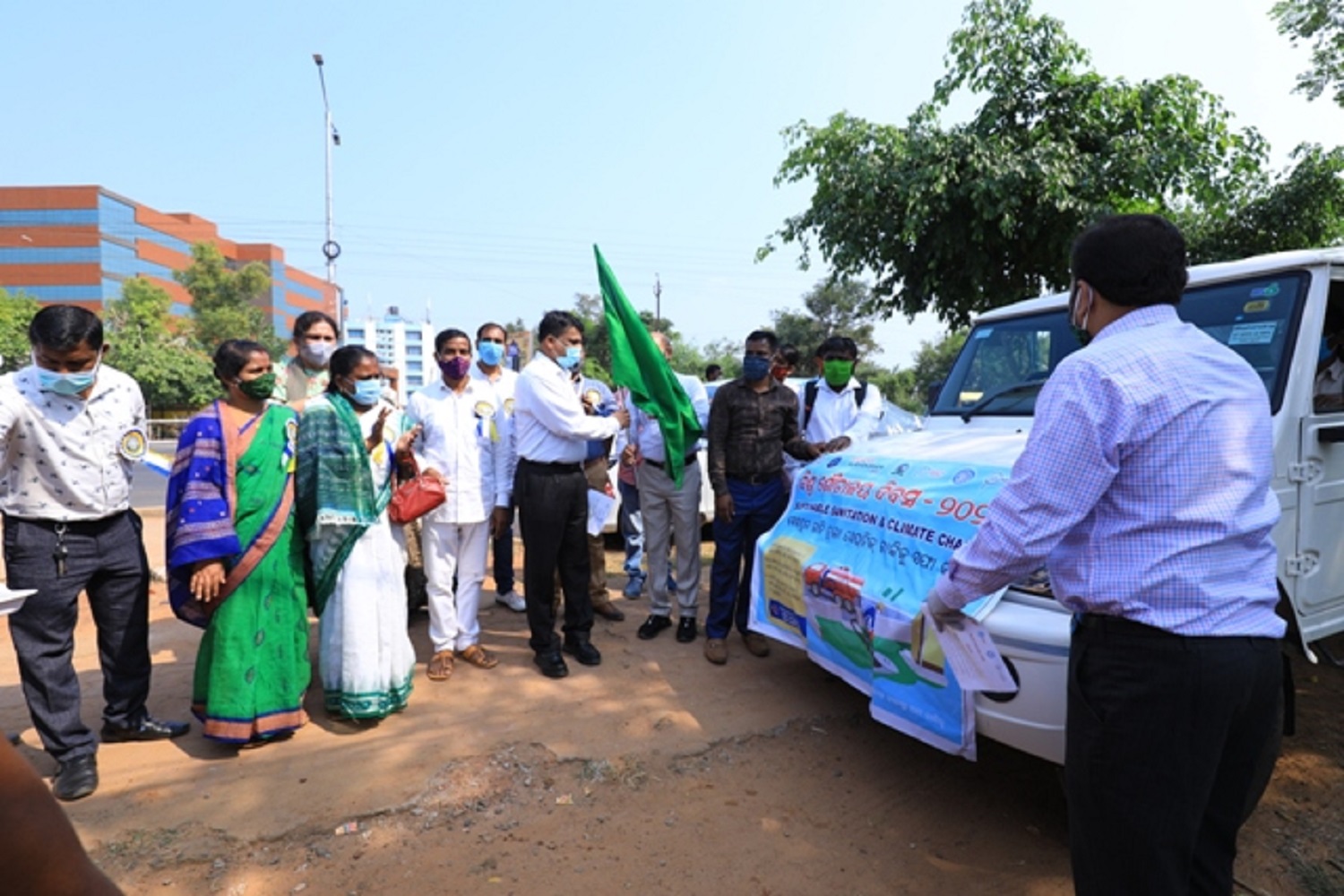
Bhubaneswar: November 19, 2020: On the occasion of the World Toilet Day, 2020, a Day to hold governments and those managing the sanitation system accountable for acts of commission and omission, we are once again reminded of the huge gap between intent and reality. At a time when every part of the world and country is in the grips of an ever growing pandemic and with 4.2 billion people across the world living without access to safely managed sanitation the Day has been marked by a sense of urgency and collective resolve to address the sanitation crisis
Speaking about this, Chandrama Behera, Community Management Committee (CMC) member, Barabhuja said: “We do not have male earning member in the family and it becomes very difficult to afford desludging and moreover being an elderly person, I find it difficult to get it done and therefore on behalf of entire community, I urge the authorities to ensure safe sanitation for us.”
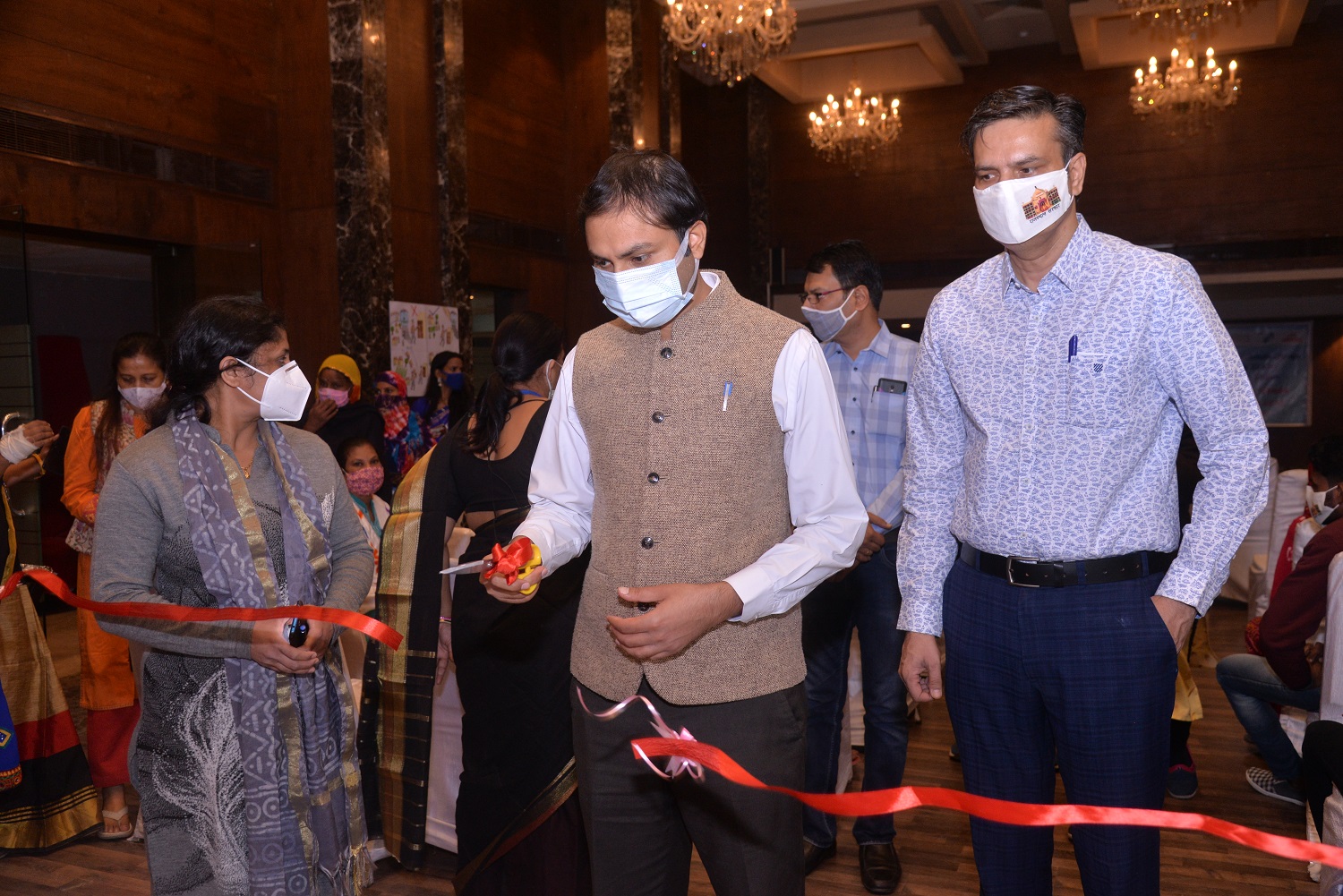
Recognizing the urgency of the situation, Shri Suvendhu Sahoo, DC, Sanitation, Bhubaneswar Municipal Corporation stated that World Toilet Day, 2020 holds great significance as BMC is now moving firmly and surely towards the goal of safe sanitation for all. Flagging off the small cesspool vehicle for desludging the pits in households, located in hard to reach slums and pockets of the city, he said “now with the community- facilitated by CFAR-ready to partner with the Corporation to ensure that every household gets their pits desludged periodically and the BMC having the wherewithal to reach and service these households, we feel that a dream has come true and we are now confident of ensuring safe sanitation for all.” He went on to add that with Bhubaneswar being recognized as the second city in the world to be ISO certified for fecal sludge and septage management, BMC is determined to sustain and better its track record of being inclusive and responsive to the less privileged sections of society. Taking this forward, he said that with “peoples participation we have achieved open defecation free status for our Bhubaneswar city. Let’s resolve to ensure a sustainable system around us for a clean environment and healthy life of our citizen.”
Reinforcing this Ansuman Rath, Zonal Dy Commissioner, South East, BMC, likened swacchata to a journey and said that ‘every single day, we are getting closer to the goal of safe and universal sanitation” and exhorted everyone observing the World Toilet Day 2020 “to resolve to ensure Swachh Bharat & Swachh Bhubaneswar.”
Affirming the need for BMC and community to work in a coordinated manner, Soumya Mishra, State Lead, CFAR, stated that this level of synergy between BMC and the community did not happen overnight. Explaining this, she said “it has taken over a year to shape it and this included building awareness on safe containment, regular desludging by registered operators and then developing schedules to the satisfaction of the community and the providers.” She went on to state that the “entire process of building awareness and strengthening community engagement has been spearheaded by the Single Window team comprising of community representatives from the different slums and federated at the ward level and the field team of CFAR.” This initiative was part of the project being implemented by CFAR with the support of Water for Women Fund, Department of Foreign Affairs and Trade, Australian Government, she added.
Speaking about the role that the Single Window Forum members played, Laxmipriya Lenka, Nirankari Nagar said that when they decided to address the issue and map the route for the desludging operators from the settlement to the treatment plant, “we did not think it will be of any use to us but now we are happy that BMC has heard us, decided to provide us the service and we will be able to desludge our pits properly and at reasonable cost.” Agreeing with Laxmipriya, Bhargavi Das, Mani Nageswari Basti welcomed the initiative and said that “now we are cleaning our pits with BMC cesspool vehicles, at a much lesser price and this is something that an elderly persons like me never thought was possible.” Recounting the terrible experiences they had with private vehicles and operators for desludging, Jayanti Moharana, Bhagabati Basti said that everything from paying huge amounts of money for desludging especially during rainy season to dealing with the operators and having no other options to address the issue of overflowing pits was extremely discouraging for them. It is in this context that she stressed the point that “we are now very relieved that the BMC vehicle will come and desludging will be done properly and at rates we can afford.” She went on to add that community involvement and the consistent facilitation by CFAR has helped to make this happen.
Building on this point, Samir Ranjan Dash, City Project Manager, CFAR, stated that “given the fact that safe sanitation cannot be achieved without community engagement, CFAR along with Single Window Forum and Community Management Committee members not only prepared the route map but also with the support of BMC and E &Y reached out the desludging services to 665 households in these 53 settlements and in many ways proved that it is not only possible but is also something the community is looking for and expecting from BMC.’’
Deepak Ranjan Nag, FSSM Expert, E& Y noted that “with 4.2 Billion, people worldwide living without access to safely managed sanitation and climate change posing new threats to the sanitation system, it is essential that we develop sustainable sanitation systems including reuse waste to improve agriculture and reduce and capture emissions for greener energy.”
Akhaya Sagar, CEO. Odisha Rising Foundation complimented CFAR and BMC for organising the World Toilet Day and said that he was “encouraged to see the great work been done so far in the space of WASH and look forward to being part of it.”
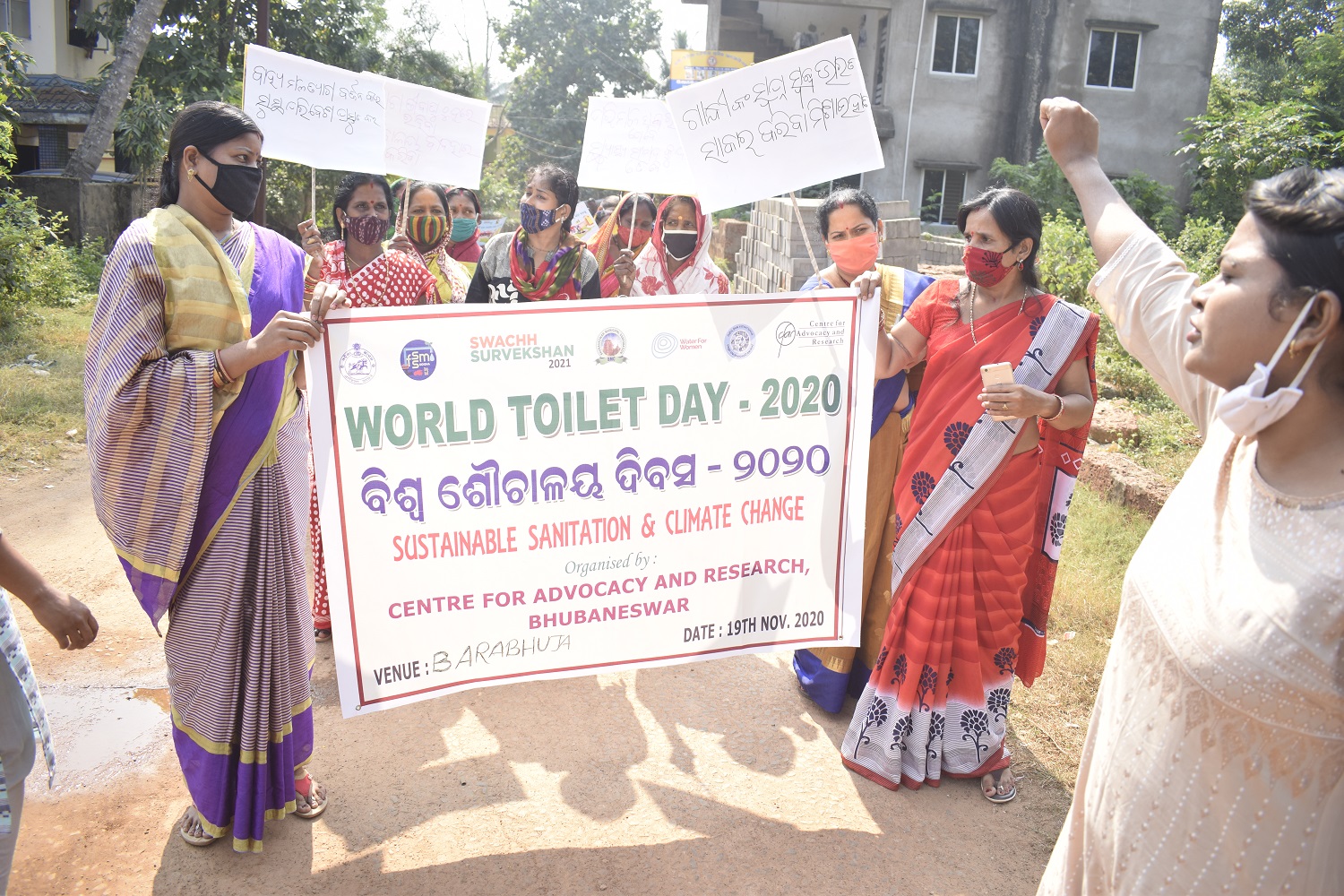


Sustainable Sanitation and Climate Change- World Toilet Day 2020
Big achievements
- Commissioner, Jaipur Heritage to organise a city level campaign in Jaipur to provide toilets to marginal groups
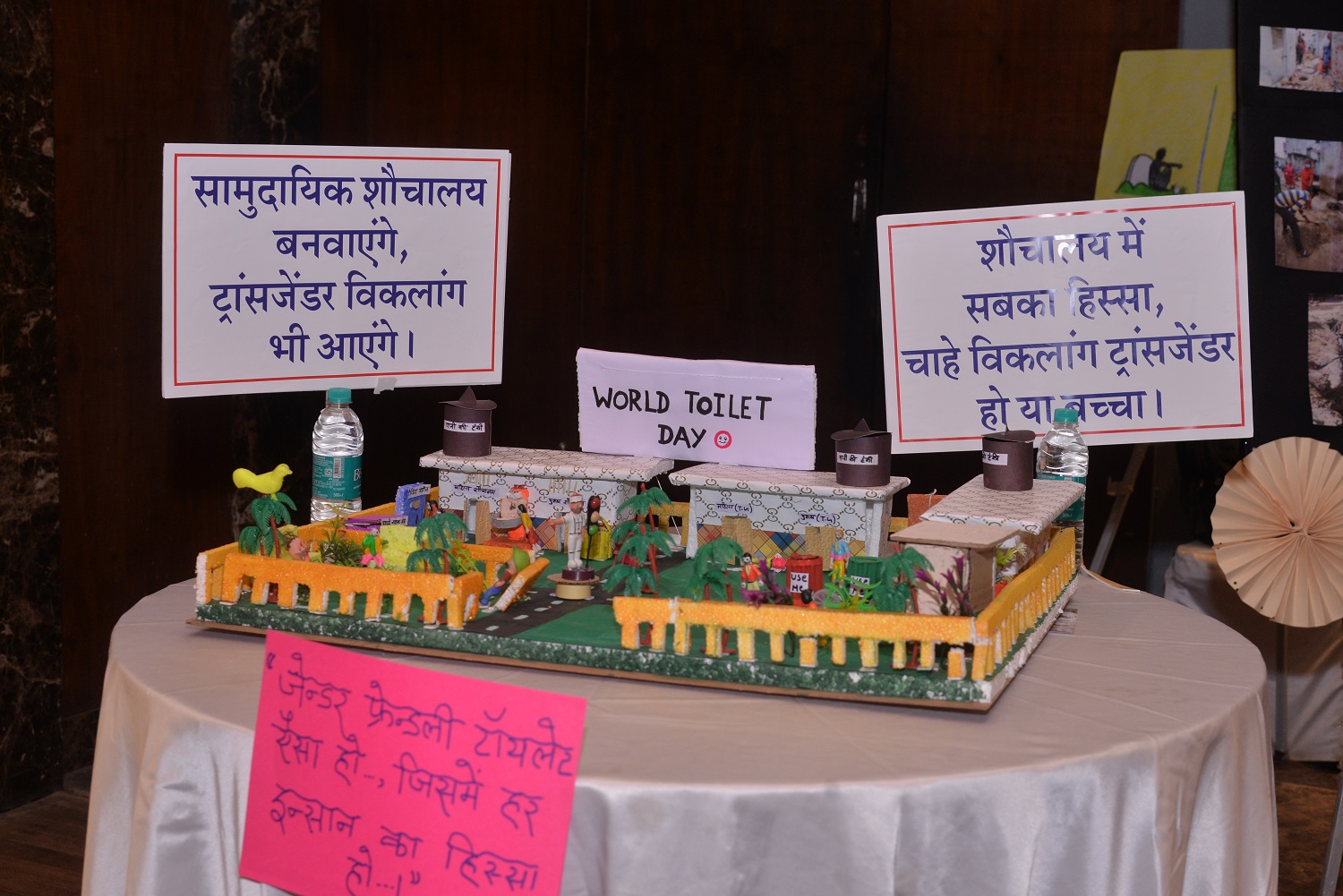
- Additional Commissioner, Jaipur Greater commits to make all public and community toilets gender friendly by installing transgender signage by end November in a planned manner
- Deputy Commissioner Garage and Desludging, JMC, to achieve 100% desludging of single and twin pit toilets in Jaipur in partnership with Single Window Forum
- Deputy Commissioner Health resolves to achieve sustainable sanitation in partnership with Single Window Forum and Community Management Committees in Jaipur
- Deputy Commissioner, Kutchi Basti and NULM pledges to achieve the goal of toilet for every household by 2021 with community support
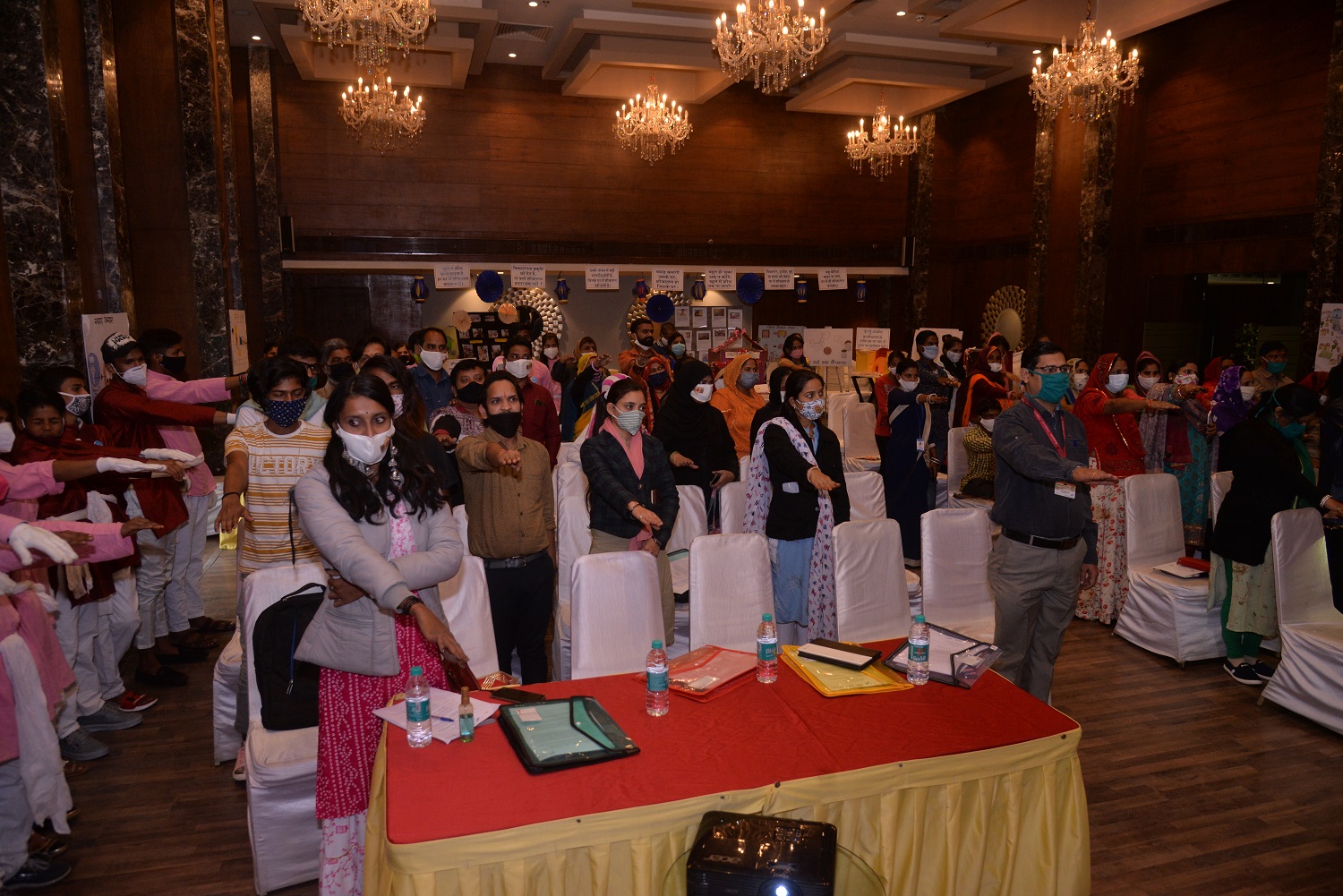
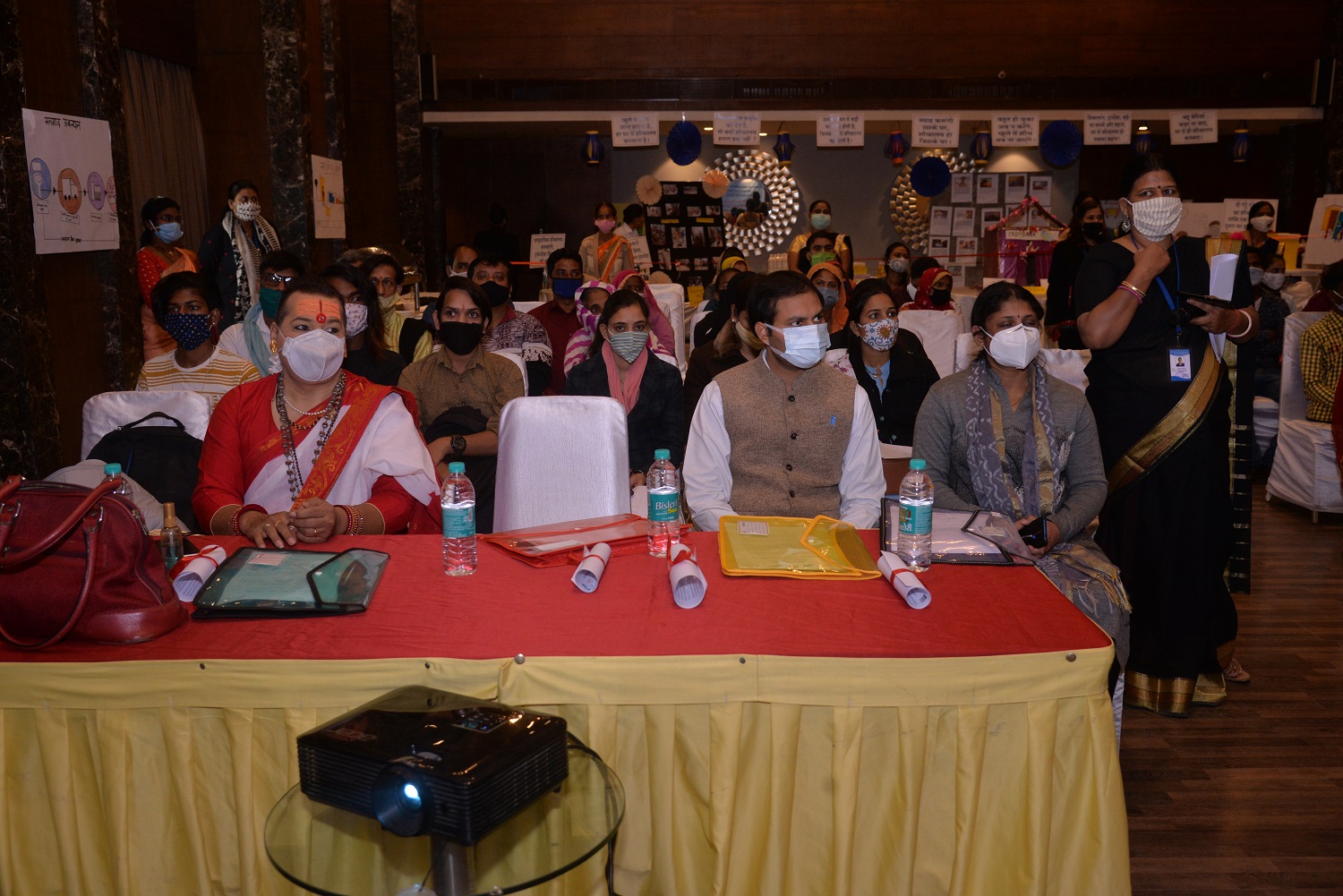
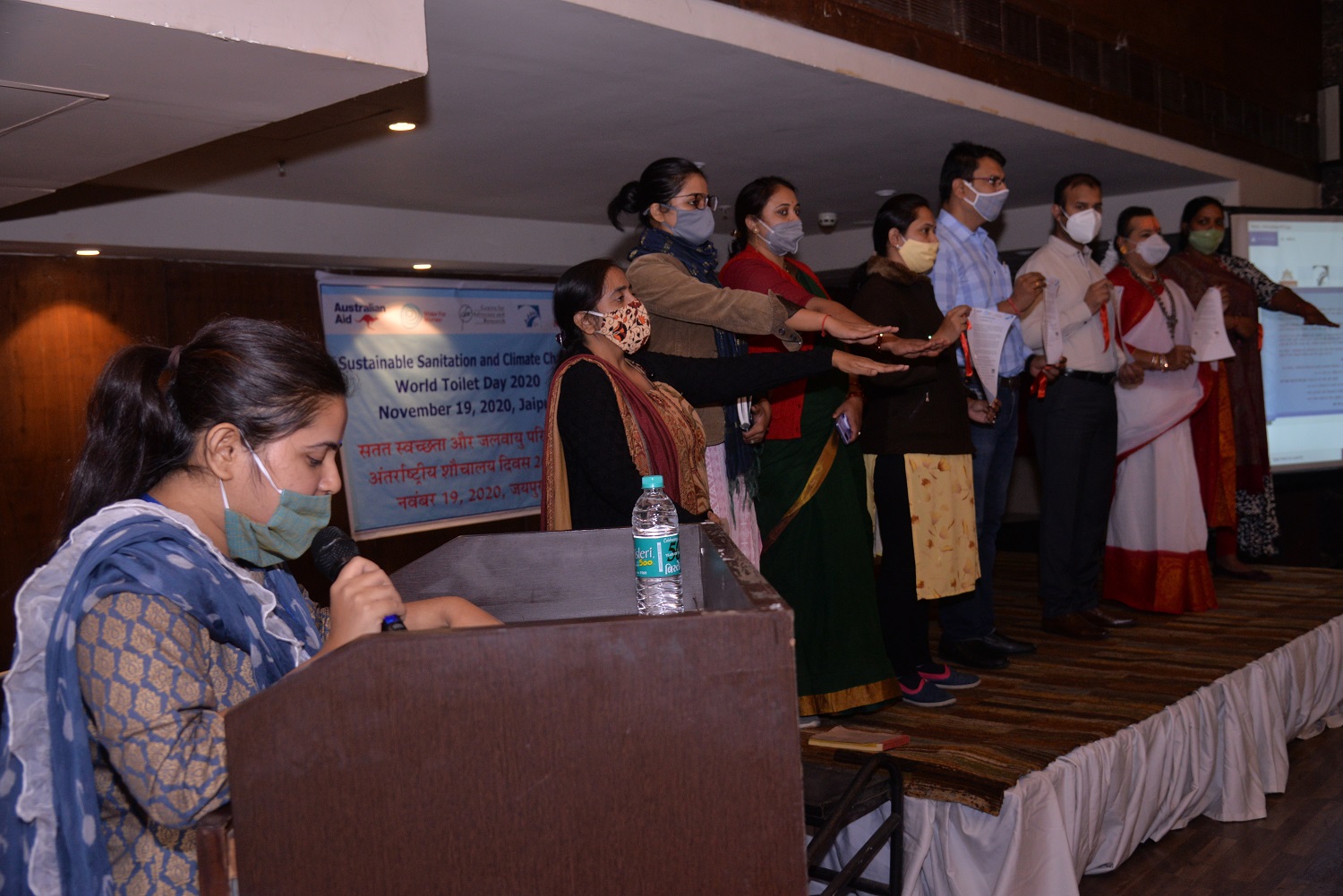
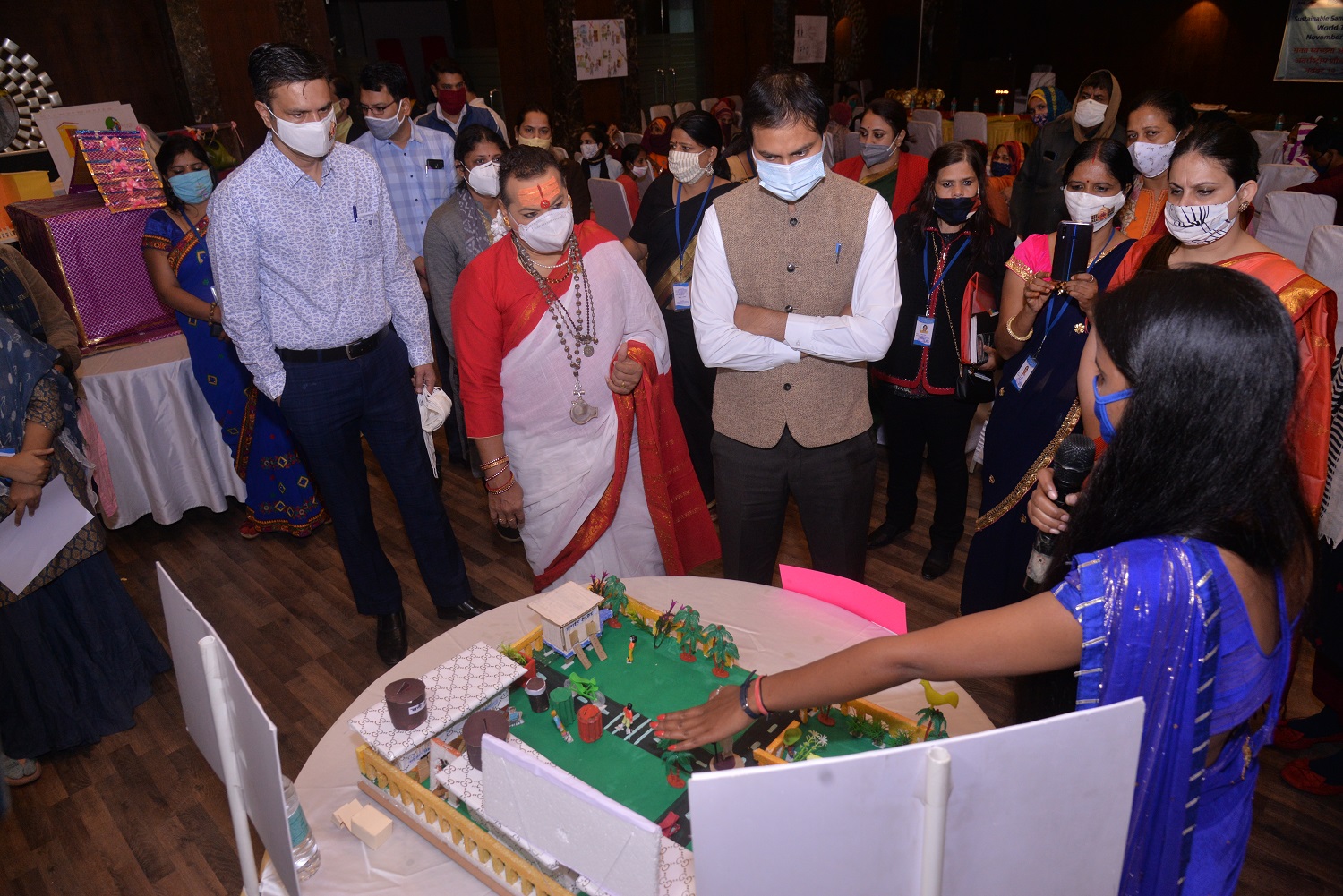
Jaipur: November 19, 2020: The World Toilet Day, celebrates toilets and raises awareness of the 4.2 billion people living without access to safely managed sanitation. The World Toilet Day 2020, on the theme Sustainable Sanitation and Climate Change was observed with great fervor by communities, civil society and government officials in Jaipur. The event was organised by Centre for Advocacy and Research, as part of its ongoing work on strengthening access to water sanitation and hygiene across 69 urban slums of Jaipur supported by Water for Women Fund, Department of Foreign Affairs and Trade, Government of Australia.
Akhila Sivadas, Executive Director, CFAR in her opening remarks said, “In the context of an unprecedented health disaster such as COVID-19, we need to recognize the need for sustainable sanitation system that cannot only withstand extreme weather events, but also help mitigate climate change. Without strengthening the sanitation system and making it responsive to the many millions who are deprived of basic and safely managed sanitation the cities will be neither inclusive nor sustainable.”
In his inaugural address, Shri Harshit Verma, Deputy Commissioner, Health, Jaipur Municipal Corporation, said, “Inclusion in Sanitation is a collective effort. JMC is looking for community platforms like the Single Window Forum and Community Management Committee to work with us to reach all the vulnerable communities. We will ensue that we sustain basic right to sanitation to everyone and that too with community engagement. As the first step, on World Toilet Day, we commit to install the transgender signage in all public and community toilets in Jaipur in a planned manner to be completed by the end of this month.”
Shri Lokbandu, IAS Commissioner, Jaipur Heritage, stated, “keeping the pandemic in sight we need to give utmost importance to hygiene and toilets. There are many unresolved issues which JMC needs to address in a campaign mode. We will organise a city level campaign in Jaipur aimed to provide toilets to all marginal groups to shrink the curve through sustainable sanitation methods”.
Shri Atul Sharma, Deputy Commissioner, Motor Garage, Jaipur Municipal Corporation, spoke of the Municipal Corporation’s efforts for sustaining ODF. JMC is working with communities to plan sustainability of ODF and moving consistently towards ODF + and ODF ++. “We aim to achieve 100% desludging at affordable costs which the community can pay in all kutchi bastis where there are single and twin pit toilets. In partnership with the Single Window Forum we will reach every household in the city and this process will be anchored by Jaipur Municipal Corporation,” he said.
Expressing concern about Transgender persons, Shri Arun Garg, RAS Additional Commissioner, Jaipur Greater said, “The transgender signage has to be driven ahead now. We resolve to speed up this process by next week and ensure that it takes actionable shape.”
Urging the officials to translate their policies Pushpa Mai, Founder, Nai Bhor, urged the officials to translate their policies into concrete action. “The access to public and community toilets for transgender both in slums and in public places is a much-needed service. We are ready to support and lead these efforts with the government at all levels”.
Ms. Anita Mittal, Deputy Commissioner, Kutchi Basti and NULM, Jaipur speaking about toilets in slums said, “Sanitation in slums is the responsibility of JMC and community plays a major role in making it sustainable. To achieve this goal, we seek the support of the community in conducting a survey to highlight where access to toilets needs to be enhanced and how and we as JMC will ensure that toilets are installed or constructed in those locations. Together we resolve to make this happen by World Toilet day 2021.”
Shiv, a disabled master trainer highlighted the plight of disabled persons. “If the basic design of the toilet is not made in consultation with us how will the government ensure that we use it?” he questioned.
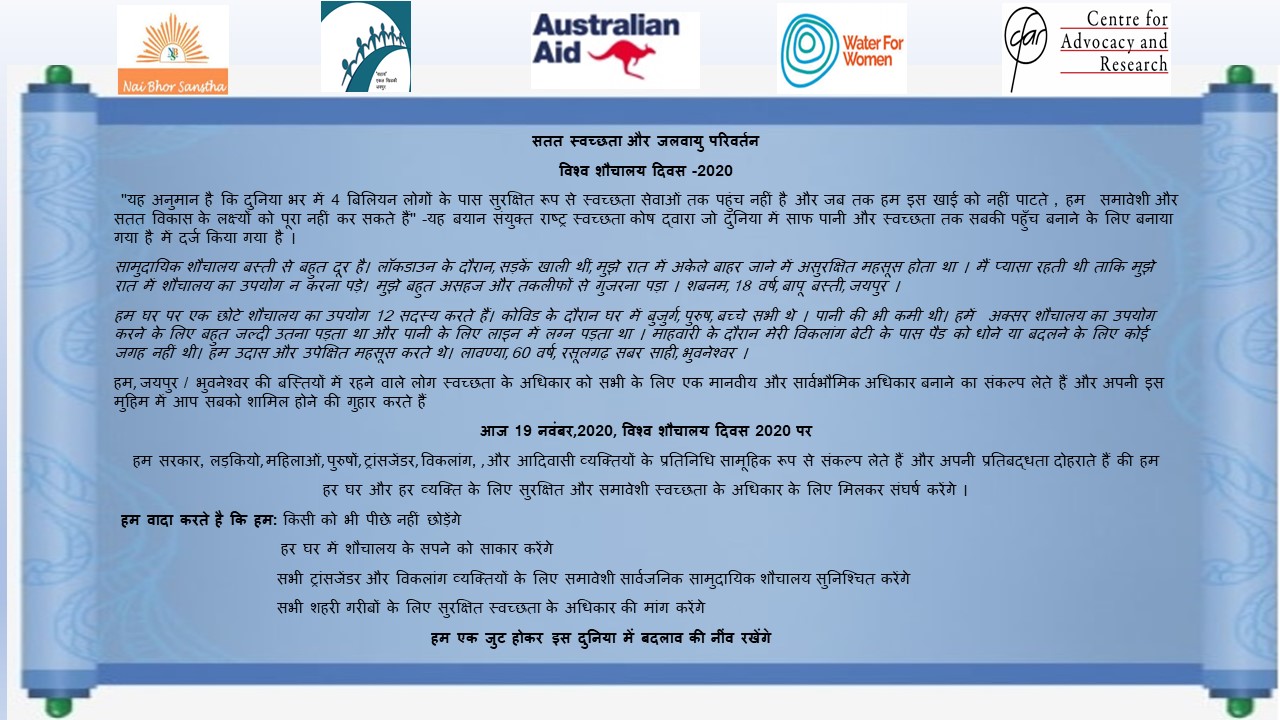
Several other activities were part of the day. These included – release of statement of intent for making sanitation for all a practice by stakeholders and community, felicitation of community leadership across wards for facilitating equitable sanitation services for marginal households, Aao Bhagidari Badhayein, a kathputli performance by men and boys and a signature campaign in two kutchi bastis, Jawahar Nagar and Kishan Bagh.
The three events were attended by over 170 government officials, service providers, sanitary workers, CSOs and community representatives.




Delhi State Legal Services Authority observed 9th November, National Legal Services Day, by awarding Shashi Kaur as the best Paralegal Volunteer (East) for the Year
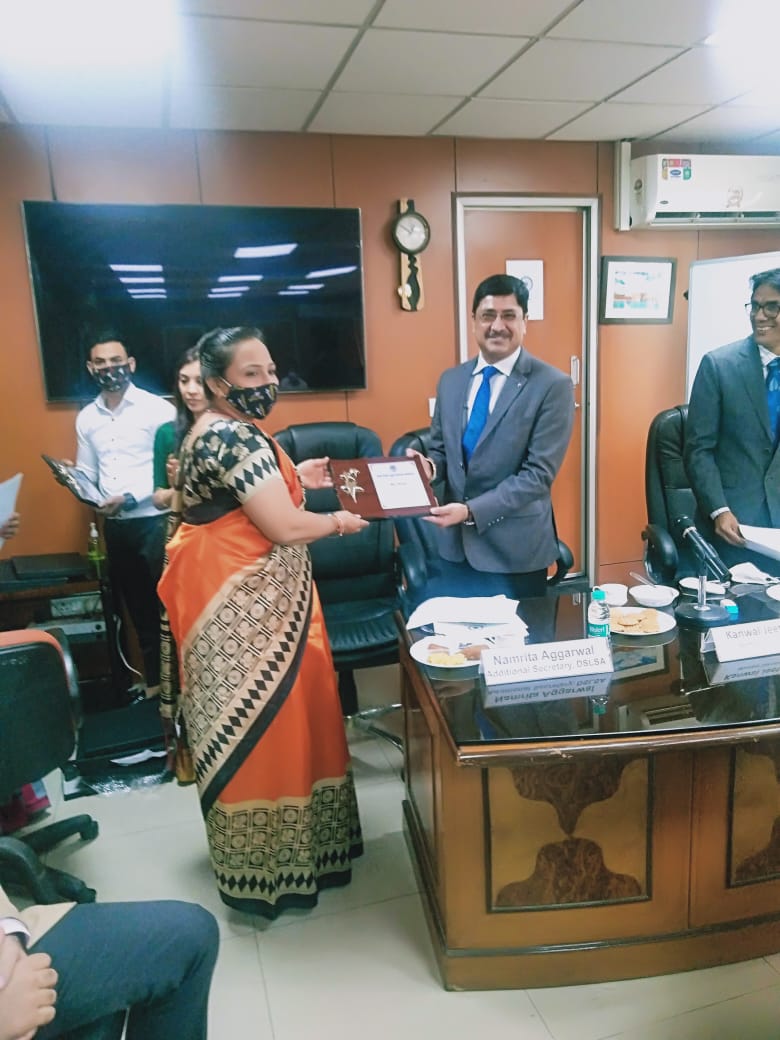
New Delhi, November 9: On the occasion of National Legal Services Day, paralegal volunteers working across 11 districts of Delhi under the aegis of the District Legal Services Authority were felicitated as COVID Warriors by Delhi State Legal Services Authority (DSLSA). There were two nominations from each of the 11 districts in Delhi and 11 were finally chosen for the award. One of them was CFAR’s Senior Field Coordinator Shashi Kaur.
Shashi, a paralegal volunteer linked to DLSA East, a grassroot worker was recognised for her exemplary work in the JJ clusters of East District. In the course of her work, Shashi was involved in enumerating vulnerable households for dry ration, social entitlement and humanitarian relief, linking children and pregnant women to nearest hospitals, facilitating testing and quarantine services to infected persons and registering survivors of domestic violence for free legal aid services. Under the guidance of Mr Pawan Kumar, Secretary DLSA East, she was also involved in the registration of 180 construction workers for renewal of Labour Cards.
In his opening remarks at the event, Shri Kanwal Jeet Singh Arora, Member Secretary DSLSA, shared that it was not possible for a 14-member team of judicial officers to reach every individual in need of support across 11 districts of Delhi. “We were able to reach the communities during the pandemic because each one of you made the mission your own and extended unconditional support to DLSA and DSLSA,” he said.
This sentiment was echoed by Mr Gautam Manan, Special Secretary, DSLSA, who highlighted that November 9 was especially chosen by the DSLSA to thank each one of the COVID warriors as it marked the anniversary of the Legal Services Authorities Act, which was promulgated to provide free and competent legal services to citizens facing economic and other social vulnerabilities. “We thank each one of you who acted as our eyes, ears and hands to reach out to most poor communities through dry rations, medicines, counselling and legal aid services in Delhi,” he stated.
Shashi expressed her gratitude to the Legal Services Authority and said she was happy that as a CFAR staff member she got an opportunity to work for people on the margins. CFAR makes an effort to reach the most marginal and hidden key population groups who live on the margins.
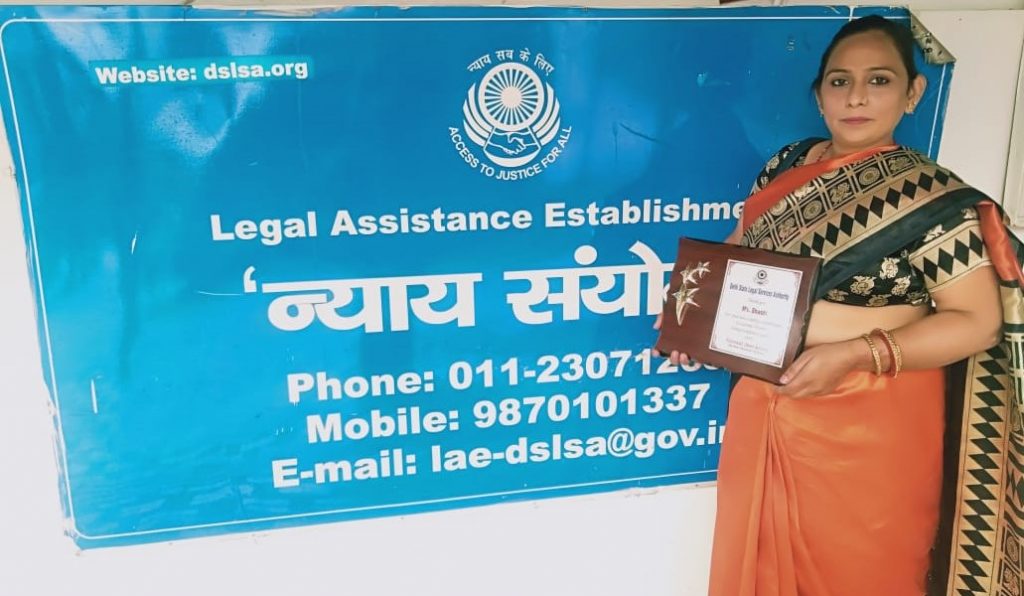
Shashi said that during the pandemic, these were the most severely affected as they lost their livelihoods and had no money to buy food or pay rent. “We sought support from relief agencies and raised funds through donations to support these communities with milk, cooked food, dry ration and sanitary pads and also linked them to ration through public distribution system (PDS) the e-coupon scheme of the Delhi government and nutrition supplements through Delhi Commission for Protection of Child Rights across 72 settlements in six districts of Delhi,” she said.
The ceremony was hosted at Patiala House Courts and attended by about 50 invitees including DLSA Secretaries, Judicial Officers, leaders from civil society organisations and other senior officials from the Legal Services Authority.
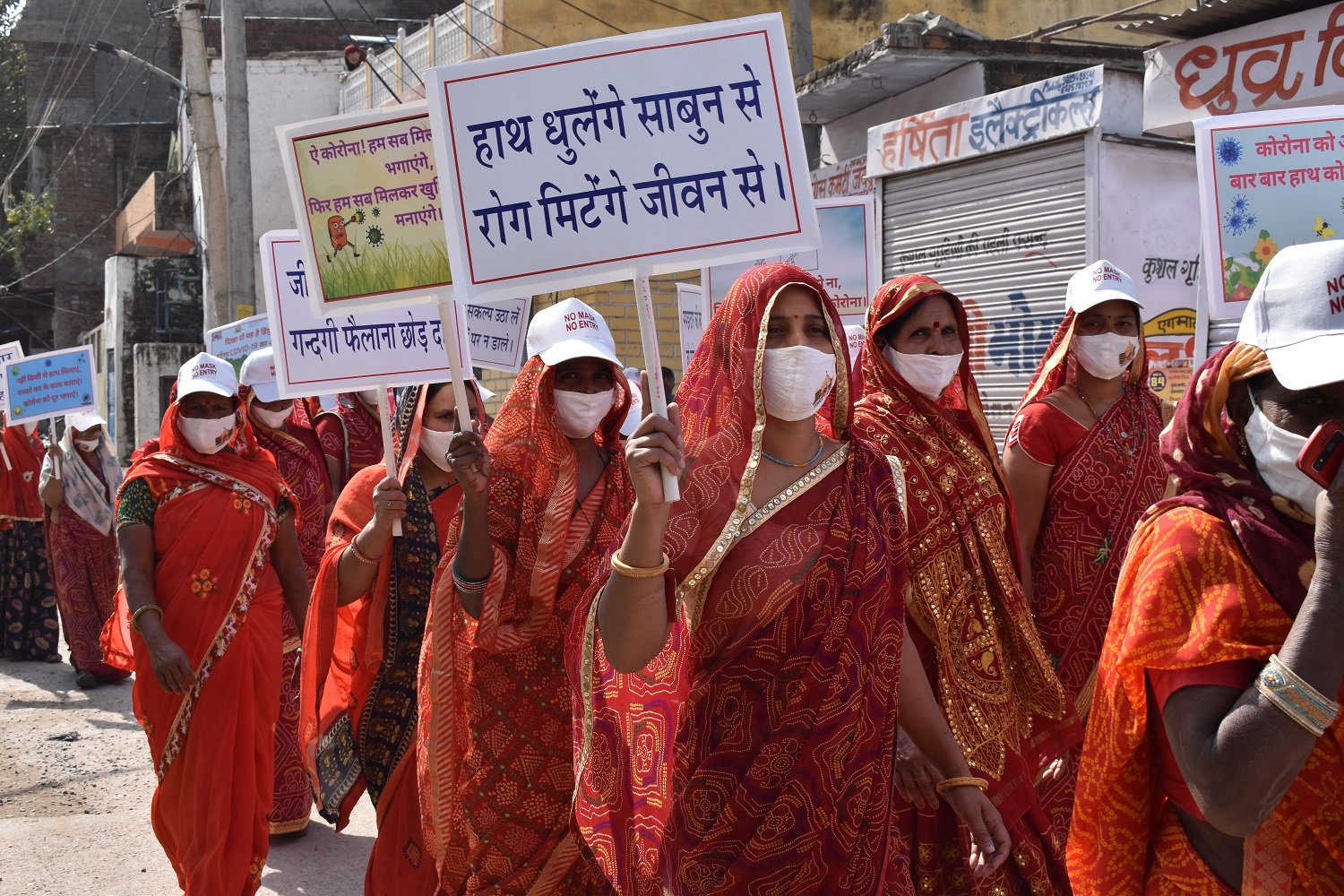
‘No Mask No Entry’ Campaign an awareness programme on COVID-19 launched for the community of Transport Nagar
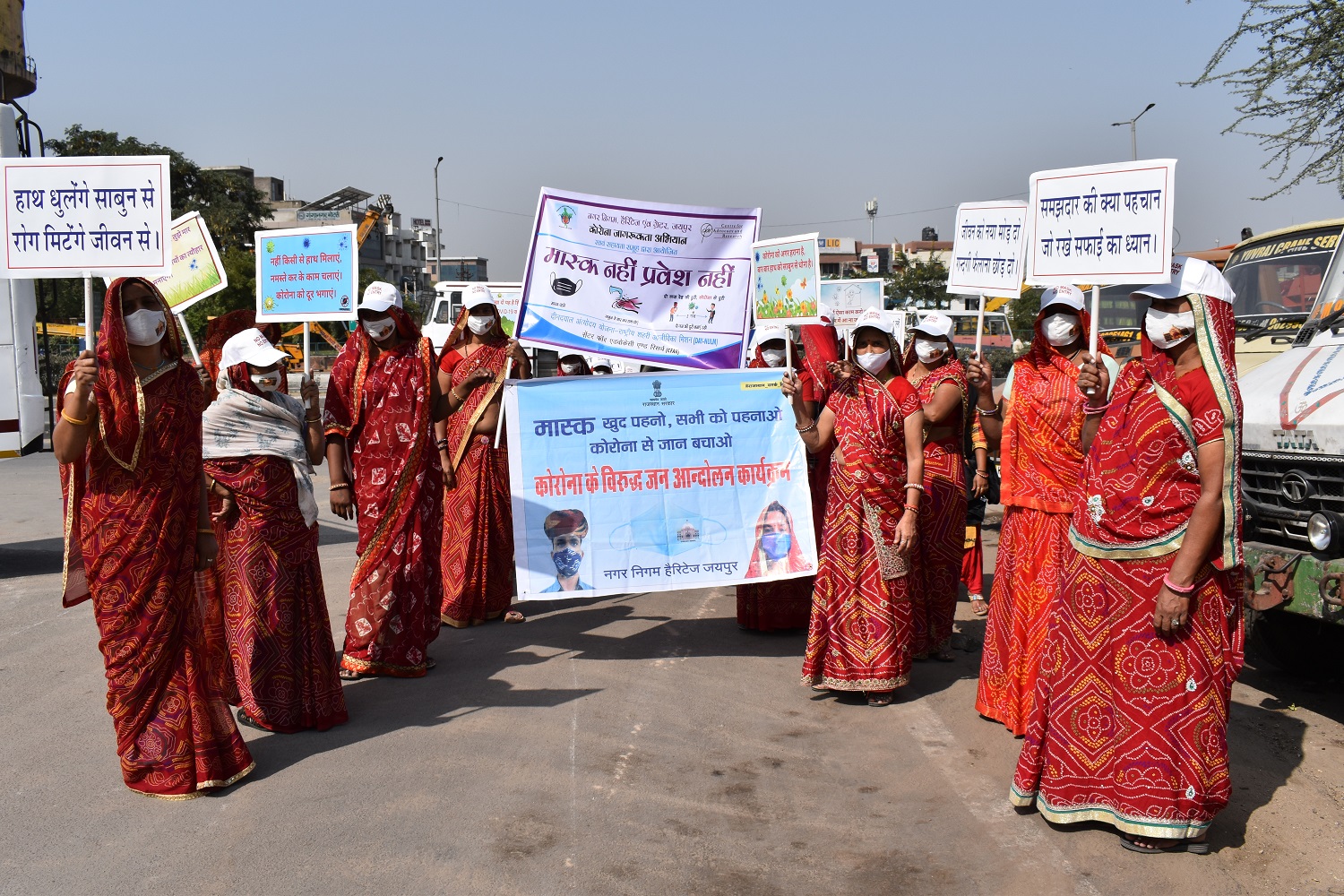
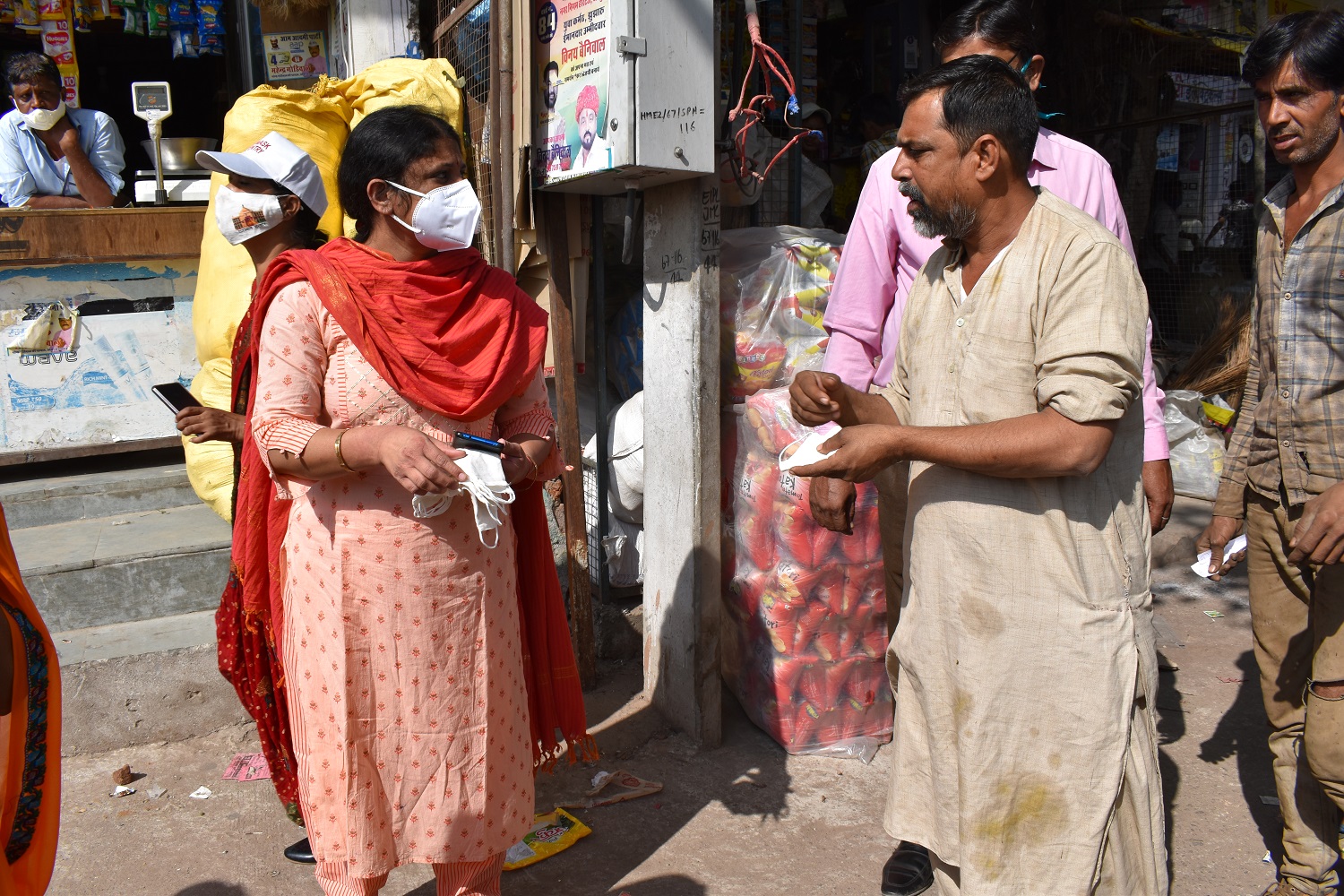
Jaipur, November 2, 2020: “No Mask No Entry” – An awareness-cum-free mask distribution Campaign has been organized by the Centre for Advocacy and Research, an NGO in partnership with Jaipur Municipal Corporation and NULM.
The objective of the campaign is to encourage citizens to adopt safe personal hygiene practices including wearing masks, washing hands using the correct technique and proper toilet usage.
This campaign began with a nukkad natak in Transport Nagar Kutchi Basti by youth forums from Sitaram Nagar and Patel Nagar kutchi basti. The young people highlighted the importance of wearing masks, and urged the audience to take care of persons with co-morbidities and come together to break the chain of the pandemic.
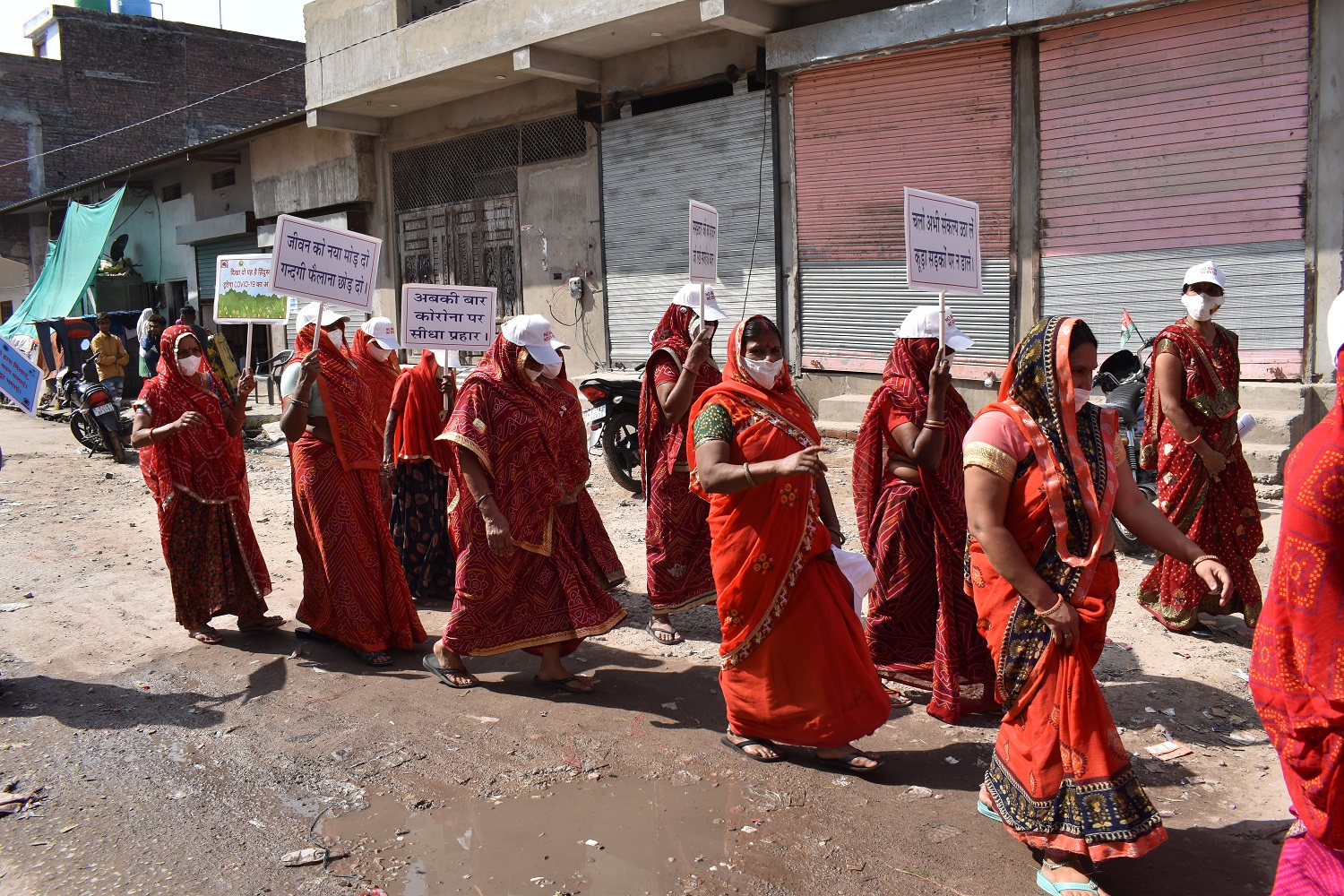
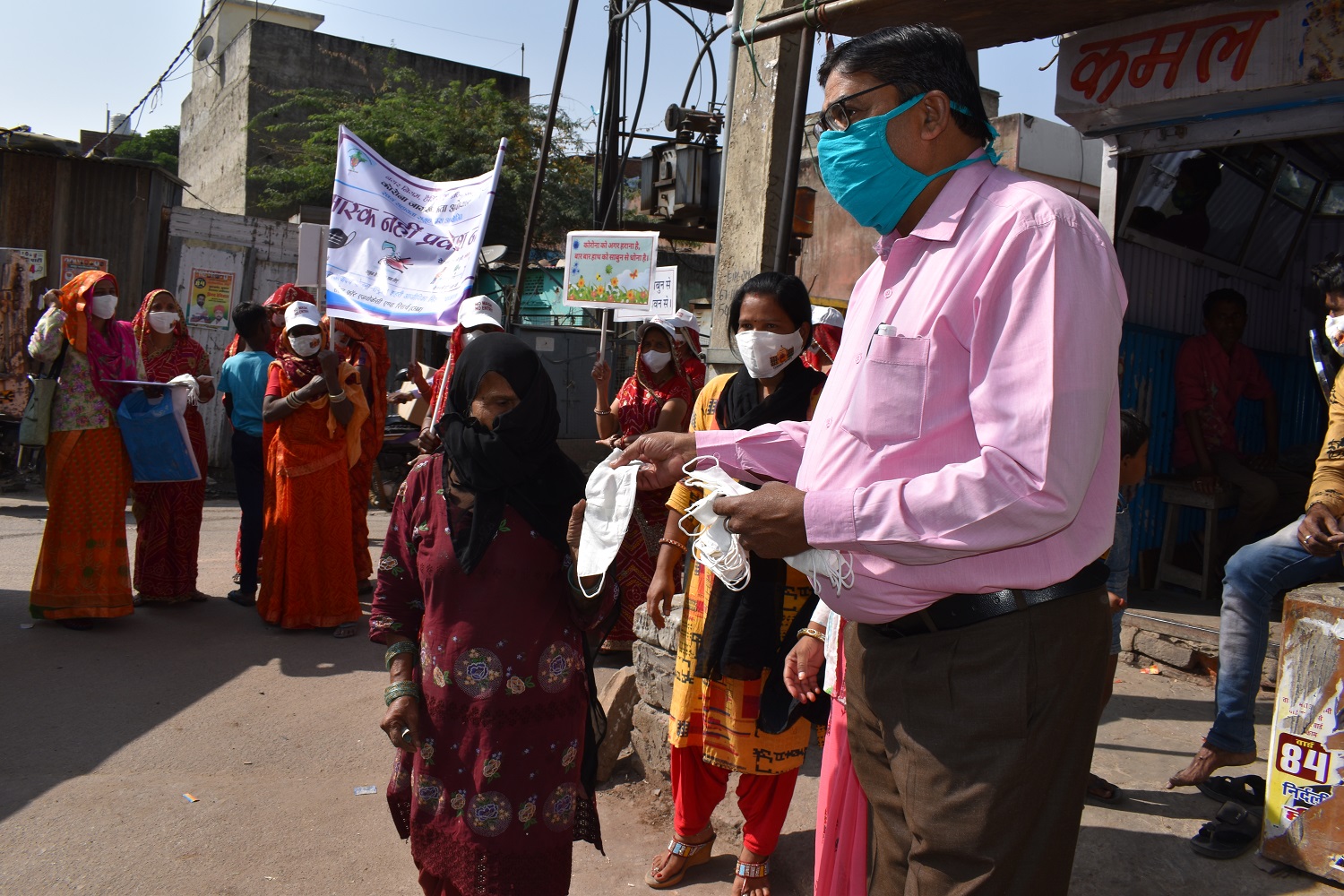
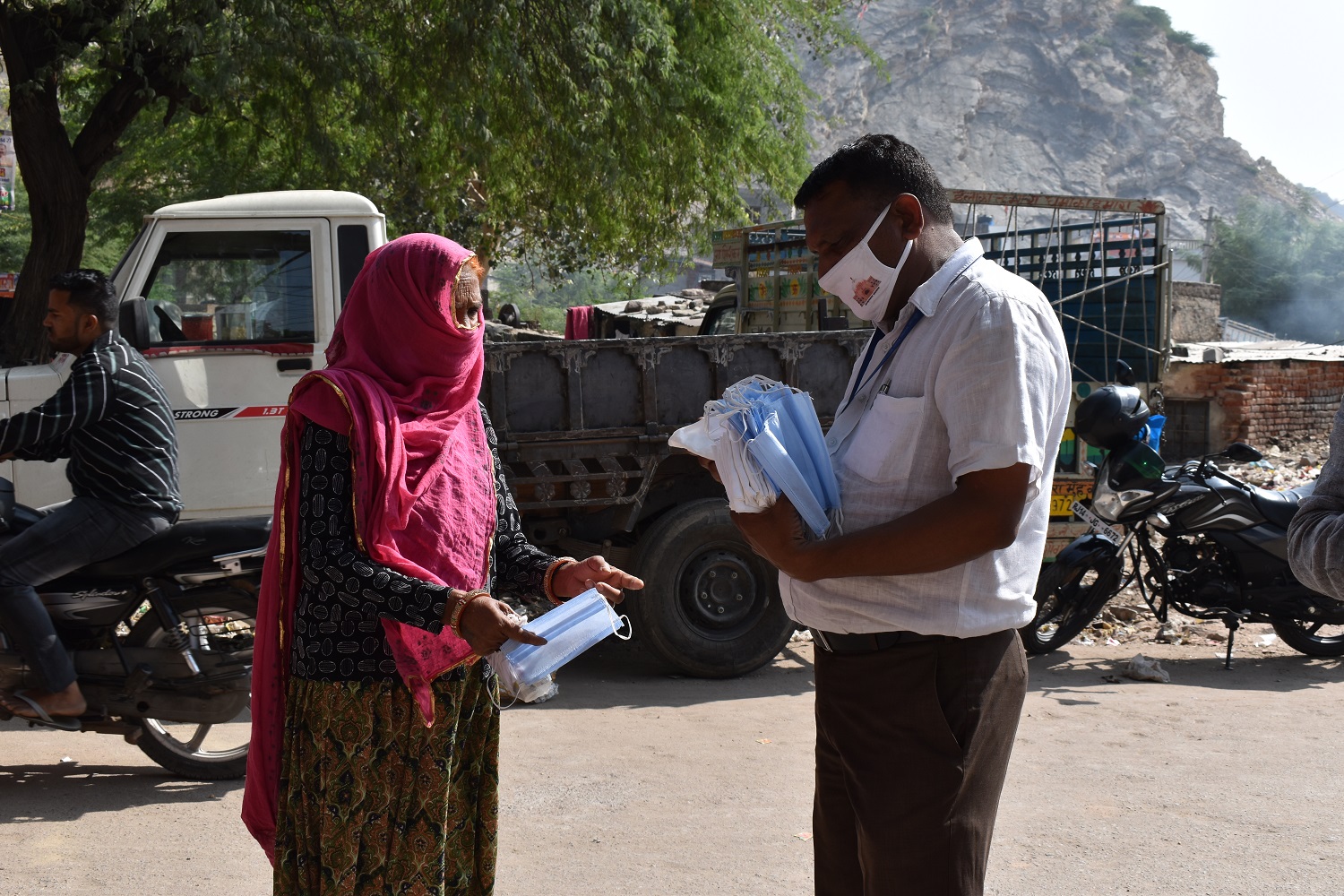
This was followed by a rally led by women from Manisha and Shanti Self-Help Groups which began from Transport Nagar kutchi Basti and covered the area of Parvat Colony and Nagtalai Basti, which were among the most densely populated slum clusters in the area. Other activities included distribution of free masks to sanitary workers, shopkeepers, and pedestrians, IEC on handwashing and pasting of posters in prominent locations, walls and auto-rickshaws. The group raised slogans like Mask nahi, pravesh nahi, Haathon ko dhona zaruri hai, Corona se banani jo doori hai.
Mr. R K Meena Deputy Commissioner, Adarsh Nagar Zone flagged the rally and distributed the masks among the community, and urged everyone to wear masks and encourage others to do the same. “We need the support of civil societies and reach out every lane and person in the area and encourage them to support the campaign by adopting safe practices.”
Anita Mittal, Deputy Commissioner, NULM shared “The campaign seeks to involve active participation from citizens. The government and people have to work together to make this campaign successful.”
Shanti, a community member was excited to see the awareness programme organized for the people of the basti. She said, “I am very happy that such an event is happening in our settlement, I hope this will help people to understand how important wearing a mask is during this pandemic.”
Another community member Meena Devi asserted, “I got this mask from the department, and I promise that I will use it regularly”.
Om Prakash, a small shopkeeper in the basti said, “Using these hand washing steps in the pamphlet I will teach my children all the nine steps of hand washing as children learn by seeing pictures.”
CFAR has been working in 68 urban slums of Jaipur strengthening access to water, sanitation and hygiene supported by the Water for Women Fund, Department of Foreign Affairs and Trade, Government of Australia.
Mrs. Anita Mittal, Deputy Commissioner, NULM approached CFAR, to organize the campaign and incorporate creative and innovative methods to generate awareness on COVID-19 and involve the Self-Help Group in this activity, as she also knew that the campaign is a part of CFAR’s ongoing work on strengthening access to water sanitation and hygiene in 68 urban slums of Jaipur, and CFAR has always worked closely with NULM to strengthen the self-help groups registered under NULM.